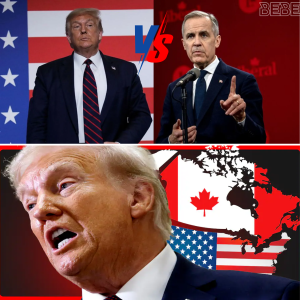
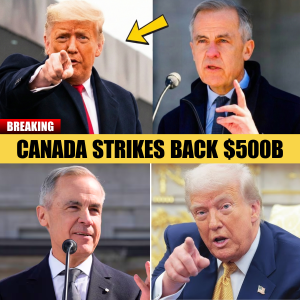
Donald Trump’s aggressive response to growing international resistance has triggered an unexpected backlash, and Canada is leading the pushback with real economic force. After months of hostile rhetoric, tariff threats, and repeated remarks questioning Canada’s sovereignty, the reaction from north of the border has gone far beyond diplomatic criticism. In 2025, Canadians responded not with protests, but with their wallets, delivering a sharp blow to U.S. tourism and exposing the limits of American power when allies feel disrespected.
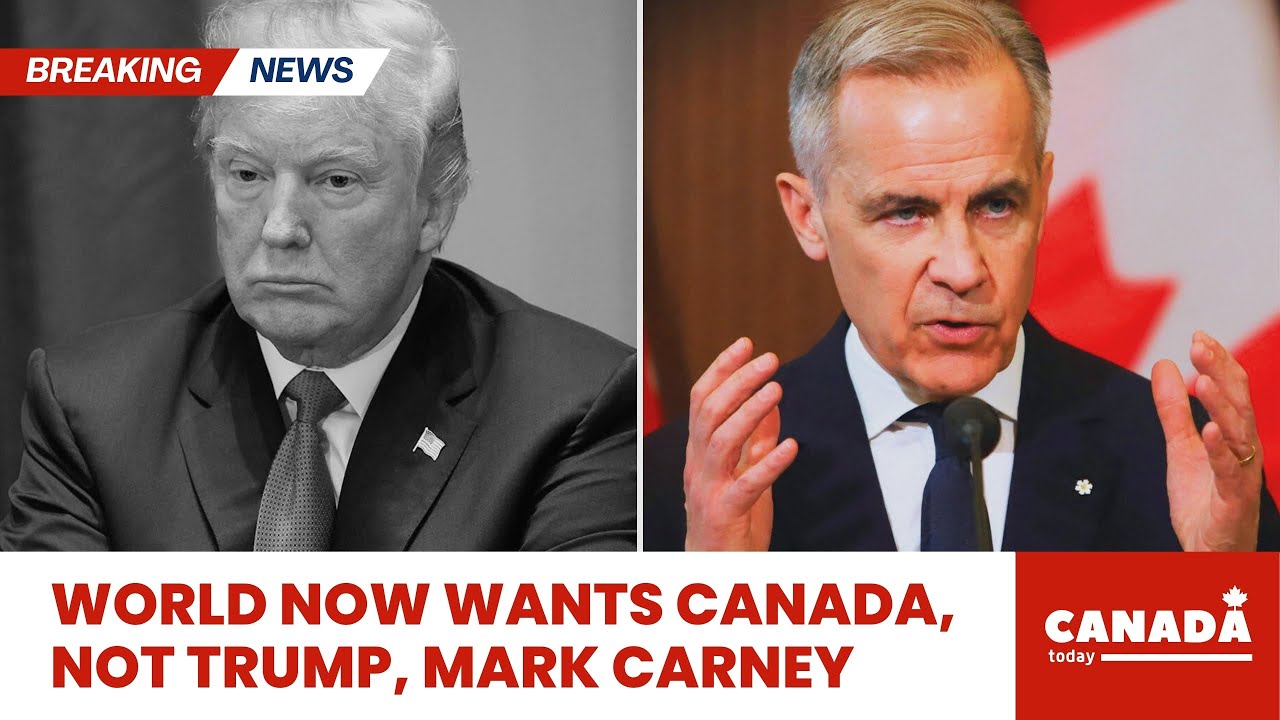
The impact has been immediate and measurable. The United States lost an estimated 5.7 billion dollars in tourism revenue as Canadian travel declined dramatically. Canadians, who traditionally make up the largest group of international visitors to the U.S., sharply reduced trips by air and land. Official data shows double-digit drops across most of the year, turning what was once a steady stream of cross-border spending into a trickle and alarming the American travel industry.
Border states and tourist-dependent regions have been hit hardest. Maine, Montana, Vermont, New Hampshire, Florida, and Hawaii reported some of their worst tourism numbers in decades. Hotels sat empty during peak seasons, restaurants cut staff, and duty-free shops near the border slashed operations. In Florida alone, Canadian visitor numbers fell by roughly 20 percent, disrupting the snowbird economy that many local communities rely on each winter.
What makes Canada’s response especially powerful is that it was not directed by government policy. There were no official bans or restrictions. Instead, millions of Canadians independently chose to avoid the United States after feeling insulted by Trump’s language and trade actions. Surveys show a significant share of travelers canceled trips outright, even accepting financial losses, and redirected their vacations to Mexico, Europe, the Caribbean, or domestic destinations within Canada.
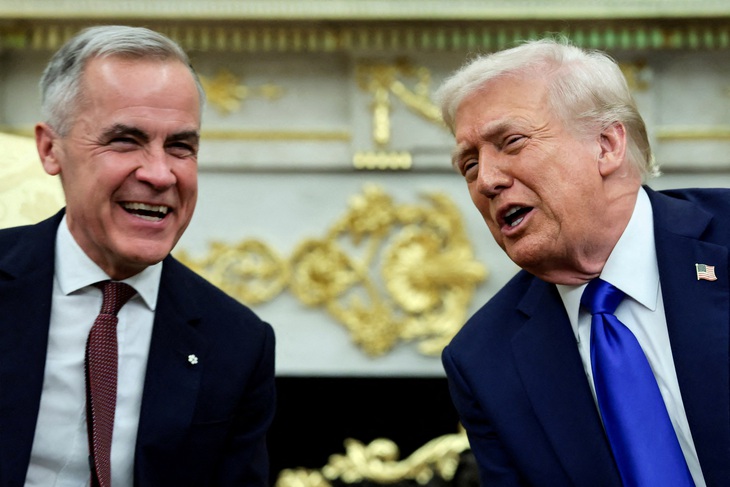
As the damage mounted, U.S. cities and states launched emergency campaigns aimed at winning Canadians back. Promotional discounts, welcoming slogans, and targeted advertising appeared across the country. Yet these efforts have struggled to gain traction. Congressional reports now openly link the tourism downturn to Trump’s rhetoric, and U.S. senators have traveled to Ottawa to acknowledge the fallout and attempt to repair relations strained by political hostility.
Beyond the immediate financial losses, the deeper consequence may be long-lasting. Tourism habits, once broken, are slow to return. Canadians who discovered new destinations are building new traditions that bypass the United States entirely. Canada’s economic pushback shows that global influence is not maintained through intimidation alone. The episode highlights a critical lesson for Washington: when allies feel dismissed or threatened, even a superpower can feel the impact, and rebuilding trust may take far longer than breaking it.