Washington — The controversy surrounding the release of records tied to Jeffrey Epstein has taken a new turn, not because of what the documents contain, but because of who appears to be shaping the government’s public response. According to reporting by Axios, White House political staff began managing the United States Department of Justice’s official social-media account amid mounting backlash over missed deadlines, redactions, and confusion surrounding the Epstein file disclosures.
The development has intensified concerns that the department’s public-facing posture is drifting away from long-standing norms of institutional independence — concerns shared not only by critics of the administration but also by some lawmakers and former officials across the political spectrum.
The Justice Department has long maintained a careful distance from the White House in its communications, especially on sensitive criminal matters. While administrations inevitably set policy priorities, day-to-day messaging from the department has traditionally been cautious, legalistic, and deliberately insulated from campaign-style rhetoric. The Axios report suggested that this boundary blurred as the Epstein disclosures became a political liability.

In recent days, the department’s posts adopted a sharper tone, issuing rapid responses that directly addressed political narratives — including assertions about former President Donald Trump — rather than focusing on procedural explanations of the document release. One post described allegations against Mr. Trump as “unfounded and false,” language that legal scholars say is unusual for an agency that typically avoids categorical judgments about individuals not charged with crimes.
The shift drew immediate scrutiny. Reporters questioned why a law-enforcement agency appeared to be pre-emptively defending a political figure rather than explaining its compliance with a transparency statute passed by Congress. Critics argued that the tone resembled campaign messaging more than institutional communication.
The tension escalated when the department’s account responded sharply to a journalist who asked why a document later described by officials as fake had been included in the Epstein release. The reply, which used colloquial and dismissive language, was quickly circulated and criticized as unbecoming of a federal law-enforcement agency. The exchange prompted rare public rebukes from members of Congress, including Thomas Massie, a Republican, who questioned both the missed deadline and the decision to engage reporters in that manner.
Former officials say the episode illustrates how fragile institutional norms can be under pressure. “The Justice Department’s credibility depends as much on how it speaks as on what it does,” said a retired federal prosecutor. “When messaging becomes combative or political, people start to doubt the neutrality of the underlying process.”
The controversy comes amid a broader struggle inside the department to manage the Epstein records. Congress mandated the release of all Epstein-related documents in the federal government’s possession, subject to limited redactions to protect victims and sensitive law-enforcement methods. The department missed the initial deadline, releasing documents in stages, many heavily redacted and some already public.
According to CNN, department leadership asked career prosecutors to volunteer during the Christmas and New Year’s holidays to help complete redactions, offering time off later in exchange. Internal emails described in the reporting suggested confusion over redaction standards and acknowledged that the department was struggling to keep pace with the workload.
Those logistical challenges have fed suspicions among critics that delays and redactions are politically motivated. Justice Department officials deny that characterization, saying the volume of material — including hundreds of thousands of pages, photos, and internal communications — makes rapid review difficult and that caution is required to avoid exposing victims or compromising ongoing matters.
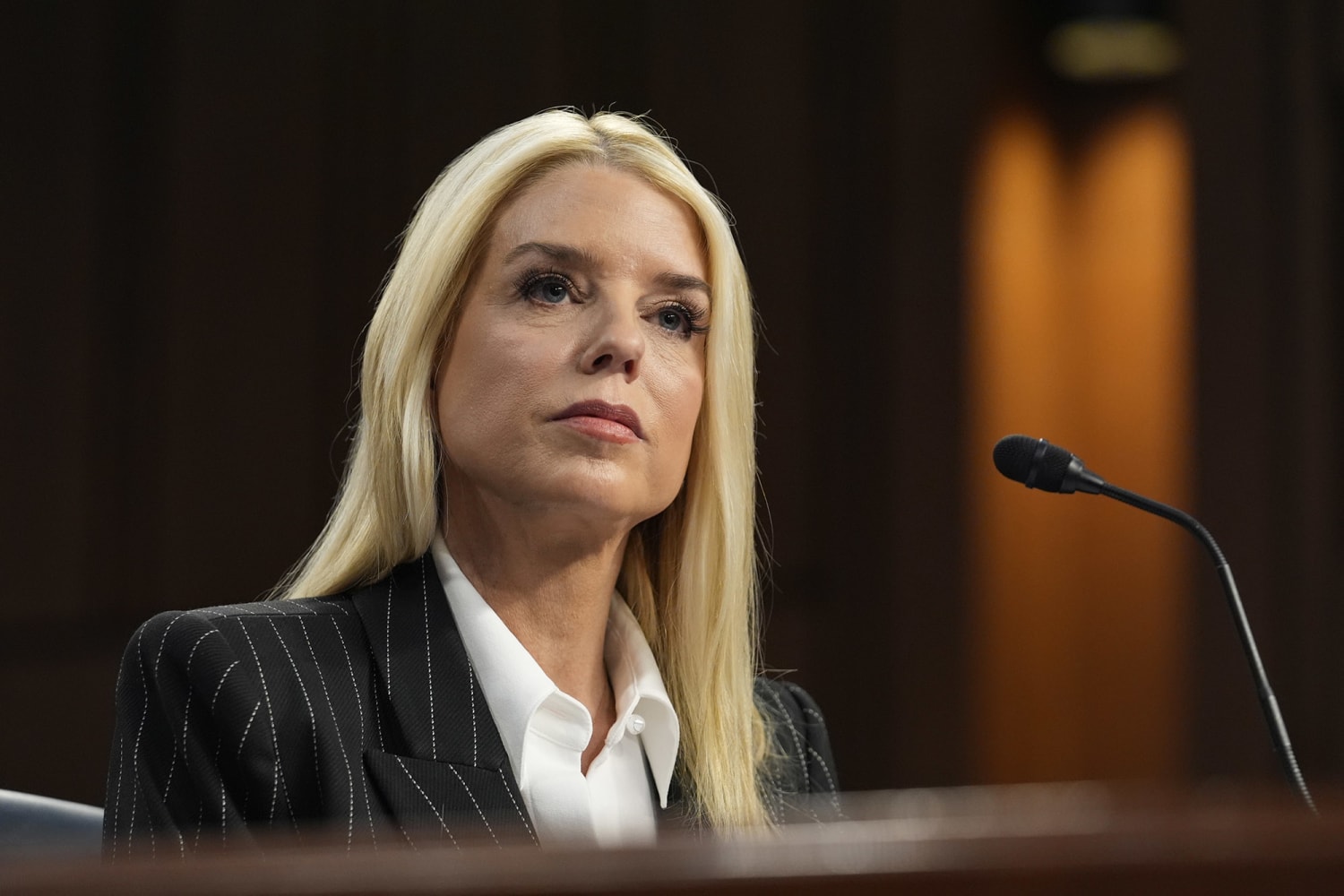
Attorney General Pam Bondi has said the department is following the law and releasing records as quickly as responsibly possible. FBI Director Kash Patel has likewise rejected accusations of favoritism, emphasizing that references to individuals in investigative files do not constitute findings of wrongdoing.
Yet the perception of politicization persists, fueled by the reported White House involvement in DOJ messaging. For many observers, the issue is not whether the administration has the right to defend itself politically, but whether doing so through the Justice Department undermines the principle that federal law enforcement operates independently of partisan considerations.
“The danger isn’t just bias,” said a constitutional law professor. “It’s the appearance of bias. Once that sets in, every decision — even a defensible one — is viewed through a lens of suspicion.”

Survivors of Epstein’s abuse have expressed frustration that procedural chaos and political crossfire are again overshadowing their experiences. Advocacy groups say staggered releases, shifting explanations, and now the specter of political messaging have reopened wounds and delayed closure.
“This case has always been about power,” said one attorney representing survivors in civil litigation. “When the process looks compromised, it reinforces the sense that powerful interests still shape outcomes.”
The situation also highlights a broader institutional vulnerability. Justice Department norms are not codified in statute; they rely heavily on precedent, internal culture, and restraint. When those norms are tested, rebuilding them can take years.
Some former officials warn that the damage may outlast the current controversy. “It’s much easier to erode independence than to restore it,” said a former senior DOJ lawyer. “Once future administrations see that these lines can be crossed, it becomes harder to argue they shouldn’t be.”

The White House has not publicly detailed the extent of its involvement in DOJ communications, and department officials have not confirmed who is authoring specific social-media posts. What is clear is that the Epstein file release has become a proxy battle over trust — in institutions, in process, and in the idea that law enforcement can remain separate from political defense.
As more documents are expected to be released, that trust will be tested again. Lawmakers have signaled they will continue pressing the department for explanations about missed deadlines and redaction practices. Legal experts say transparency about methodology — how documents are authenticated, reviewed, and released — may matter as much as the content itself.
“In transparency cases, clarity is the currency,” said the retired prosecutor. “Without it, every silence looks intentional.”
For now, the episode stands as a cautionary moment. The Epstein files were intended to shed light on a dark chapter of abuse and institutional failure. Instead, the process of releasing them has exposed another vulnerability — the ease with which the lines between law enforcement and politics can blur under pressure.
Whether the Justice Department can restore confidence will depend not only on what it releases next, but on how visibly it reasserts its independence. In a system built on public trust, credibility, once questioned, is difficult to recover.