Washington — A disputed document linked to Jeffrey Epstein has reopened a painful chapter for survivors and raised fresh questions about how the United States Department of Justice manages one of the most sensitive case files in modern American history.
At issue is a purported letter that surfaced among recently released Epstein-related materials and was widely discussed after being highlighted by independent media outlets. The document, described as an exchange between Epstein and Larry Nassar, contained graphic language and references that, if authentic, would carry serious implications. Shortly after reporting on the document drew public attention, the Justice Department said the letter was fake — an assertion that has only intensified scrutiny rather than resolved it.
The department’s handling of the episode has left multiple constituencies dissatisfied. Reporters have questioned why a document now described as fabricated was retained in federal files for years and released alongside authentic records without clear labeling. Legal analysts have asked why authentication efforts appear to have been incomplete or undisclosed. And survivors of Epstein’s abuse say the episode has compounded the trauma of a case long defined by secrecy and delay.
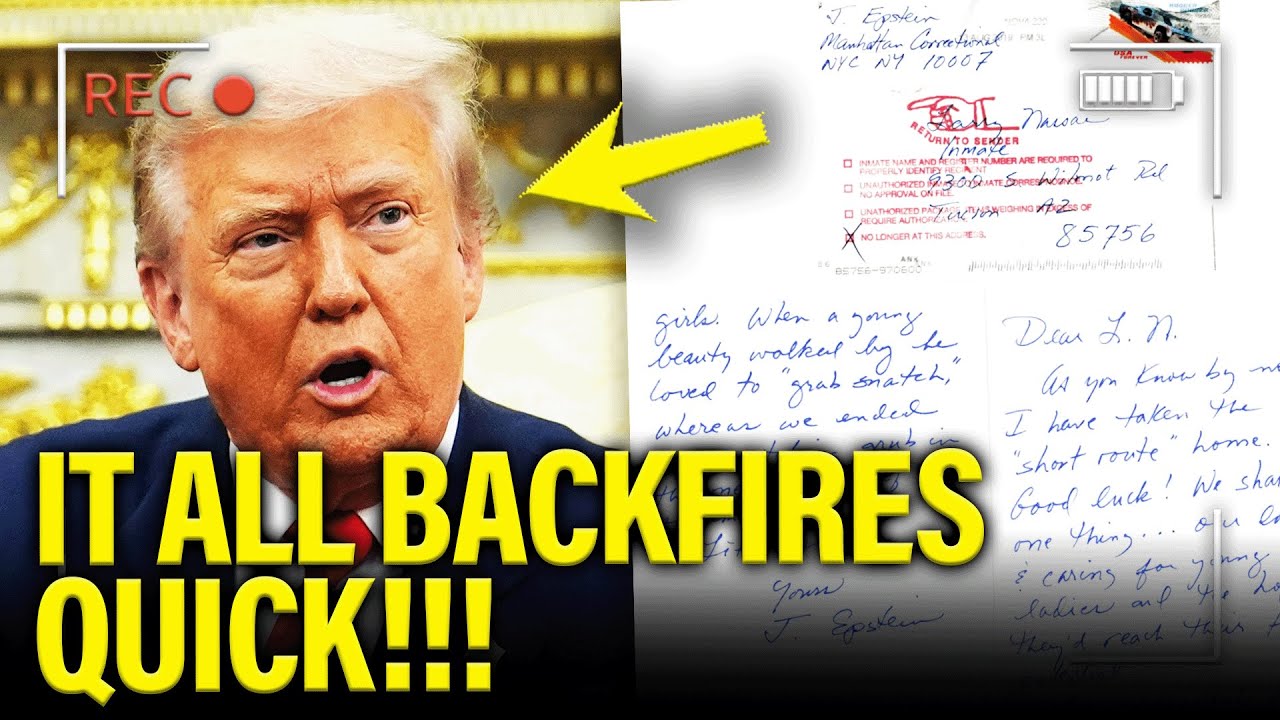
According to public reporting and statements from journalists who reviewed the files, the disputed letter had been referenced in earlier records requests and discussed internally by federal agencies as early as 2019 and 2020, around the time of Epstein’s death in federal custody. At that point, officials indicated that the document would be subject to forensic handwriting analysis. The results of any such analysis have not been made public.
When questioned recently, Justice Department officials said the Federal Bureau of Investigation had previously determined the letter to be inauthentic, citing inconsistencies such as postmark details and return addresses. But critics note that those characteristics were already known years ago and do not, by themselves, explain why the document remained in official files or why it was released without clarification.
“This is not just a records-management issue,” said a former federal prosecutor who reviewed the department’s public statements. “It’s a credibility issue. If the government releases a document and then later says it’s fake, people will reasonably ask what else in the release requires explanation.”
The confusion has played out against the backdrop of a broader, court-ordered disclosure of Epstein-related materials, a process that has unfolded unevenly and under intense public pressure. Justice Department officials have said the volume of records — hundreds of thousands of pages — has made review difficult, requiring extensive redactions to protect victims’ identities and comply with court rules.
But legal experts say volume alone does not account for the specific problems raised by the disputed letter. “In large productions, triage is essential,” said one former Justice Department official. “Documents of uncertain provenance, especially those with explosive content, are typically flagged, explained or withheld pending verification.”

The episode has also fueled partisan narratives. Some commentators have portrayed the department’s actions as evidence of a deliberate cover-up designed to muddy the waters around Epstein’s connections. Others have attributed the missteps to bureaucratic dysfunction or miscommunication among agencies. The department has denied any intent to mislead, emphasizing that it is continuing to review the files.
For survivors, those distinctions offer little comfort. Ashley Reuben, an Epstein survivor who has spoken publicly about the case, criticized the release of what the department now claims were fake documents, saying it deepened mistrust and reopened wounds. In a statement circulated by advocates, she questioned how fabricated material could enter or remain in a case file involving the sexual abuse of minors and why accountability for that lapse has not been made clear.
Survivor advocates argue that the harm is not abstract. Each new revelation, retraction or clarification forces victims to relive events they have spent years trying to process. “This case is already defined by delay and silence,” said one attorney who represents survivors in civil litigation. “Adding confusion to the record is not neutral. It has real human consequences.”
The Justice Department’s response has also been scrutinized by former officials who once defended the institution’s internal culture. Some now say the episode reflects a broader erosion of trust in federal law enforcement at a time when transparency is most needed.
“There was a time when the department would have over-prepared for a disclosure like this,” said a retired federal lawyer. “You would expect authentication, clear explanations and an effort to anticipate exactly these kinds of questions.”

The handling of the Epstein materials matters beyond this single document. Epstein’s case has become a symbol of perceived impunity for powerful figures and institutional failure to protect vulnerable people. Each procedural stumble reinforces skepticism about whether the full truth will ever be known.
It also complicates the work of journalists. Reporters covering the release of Epstein records have emphasized the need for caution, noting that inclusion in a government file does not equal verification. But when the government itself appears uncertain or inconsistent, that caution can be misinterpreted as concealment or bias, further distorting public understanding.
Justice Department officials have said they are continuing to review the files and have not ruled out releasing additional explanations or documentation. Critics argue that such steps should have preceded, not followed, public disclosure.
“This could have been avoided,” said the former prosecutor. “A simple note saying ‘this document is disputed and under review’ would have changed the entire conversation.”

Instead, the controversy has become another chapter in a saga marked by mistrust. Whether the department’s actions amount to incompetence or something more troubling remains a matter of debate. What is clear is that the episode has weakened confidence in a process that was already fragile.
For survivors and the public alike, the central demand remains unchanged: clarity. Who created the disputed document, if it is indeed fake? When was that determination made? Why was the document retained and released? And what safeguards are in place to ensure that the rest of the record can be trusted?
Until those questions are answered, the Epstein files will continue to generate more heat than light. And for an institution tasked with administering justice, the cost of that uncertainty may be measured not only in headlines, but in the further erosion of faith from those who have already waited far too long.