Minneapolis — In recent weeks, Minnesota has become the subject of increasingly dramatic claims about fraud in state-administered programs, with online commentators asserting losses in the billions, accusing state leaders of complicity, and portraying the episode as a historic collapse of governance. The volume and intensity of those claims have far outpaced what federal prosecutors, courts and auditors have actually established, creating a widening gap between rhetoric and verified fact.
At the center of the controversy are real criminal cases. Federal prosecutors have charged dozens of individuals in Minnesota in connection with fraud schemes involving pandemic-era food and social-services programs, most notably the Feeding Our Future case, which resulted in convictions and guilty pleas involving hundreds of millions of dollars in misused funds. Those prosecutions are among the largest pandemic-relief fraud cases in the country and have drawn bipartisan concern about oversight failures during emergency spending.
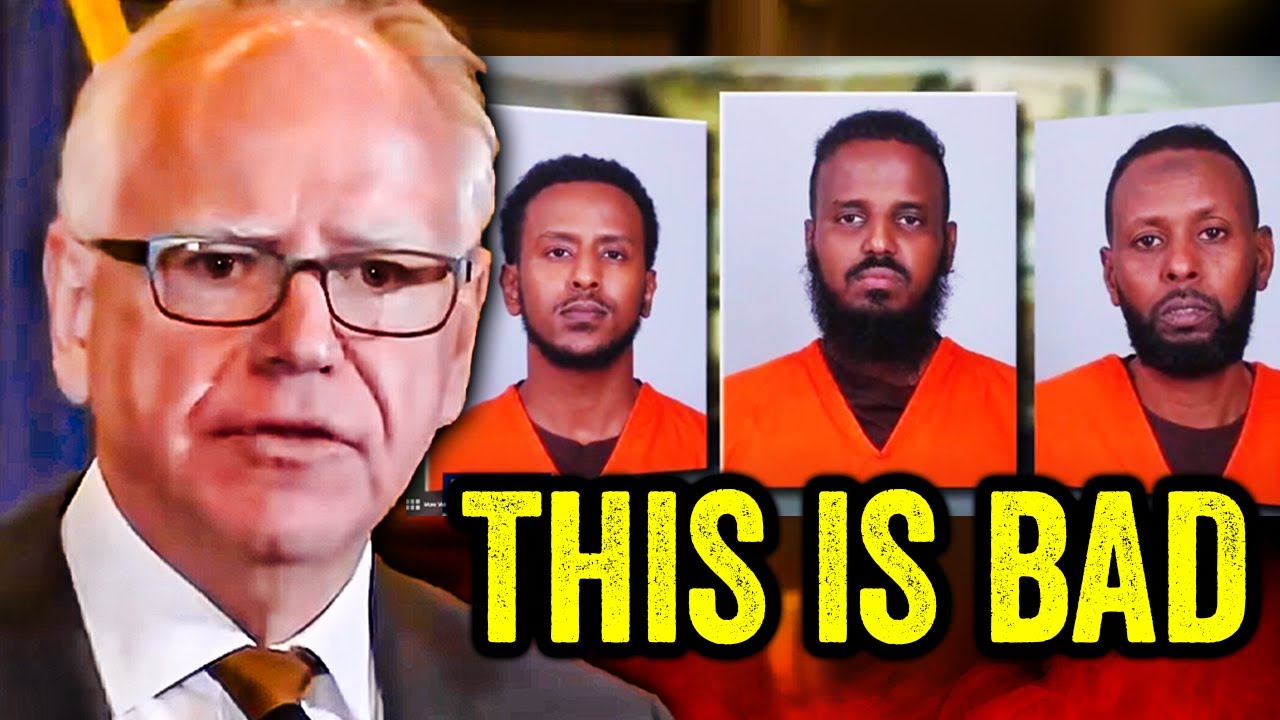
But in partisan commentary circulating online, those confirmed cases have been folded into a far broader narrative — one that alleges nearly $9 billion in stolen Medicaid funds, claims that half of Minnesota’s Medicaid spending was looted, and accuses state leaders of deliberate cover-ups and intimidation. Those assertions, while forcefully presented, go far beyond what prosecutors have formally charged or proven in court.
Federal officials themselves have been careful in their public language. While prosecutors have said they are investigating multiple Medicaid waiver programs and have warned that potential losses could be significant, they have not announced indictments or final audit findings supporting figures in the multibillion-dollar range. Estimates discussed in hearings or interviews are preliminary and subject to revision as investigators distinguish fraud from billing error, waste or lawful payments — a process that often takes years.
“This is where nuance matters,” said a former federal prosecutor familiar with large-scale health-care fraud cases. “Investigators may suspect widespread abuse, but suspicion is not proof. Until charges are filed and tested in court, dollar figures remain estimates, not facts.”
Medicaid, which provides health coverage to low-income Americans, is administered through a dense web of federal rules, state agencies and private providers. Audits frequently uncover overpayments, but criminal liability requires proof that individuals knowingly and willfully engaged in deception. That distinction became especially salient this month when a Minnesota judge overturned a jury conviction in a $7.2 million Medicaid fraud case, ruling that prosecutors had failed to prove criminal intent beyond a reasonable doubt.
That decision underscored a point often lost in public debate: benefiting financially from a flawed or poorly monitored system is not, by itself, proof of a crime. Courts require evidence of intent — emails, instructions, falsified records — not simply large sums of money changing hands.

Online commentary has also focused heavily on the ethnicity of defendants in existing fraud cases, particularly members of Minnesota’s Somali American community. Public court records confirm that many defendants in Feeding Our Future-related prosecutions are Somali American, a fact acknowledged in mainstream reporting. But civil-rights advocates warn that emphasizing ethnicity risks conflating criminal networks with entire communities.
“The people charged should be held accountable individually,” said an attorney who has represented nonprofit providers in compliance cases. “But when commentary shifts from specific defendants to generalized accusations about a community, it undermines both justice and social cohesion.”
State officials, including Governor Tim Walz, have acknowledged oversight failures during the pandemic, when emergency programs were rolled out rapidly to avert economic collapse. Like many states, Minnesota relaxed verification requirements to deliver aid quickly, a trade-off that federal inspectors general later said created vulnerabilities nationwide.
Mr. Walz has rejected accusations of deliberate negligence or cover-ups, saying his administration cooperated with federal investigations and has since tightened controls. There is no public evidence that he, Attorney General Keith Ellison, or Representative Ilhan Omar have been charged with crimes related to the fraud cases now moving through court.
Claims that whistleblowers were systematically silenced or threatened by the governor’s office have circulated online, but no court findings or sworn testimony substantiating those allegations have been made public. Legislative hearings have documented internal disagreements and delays, but bureaucratic failure is not the same as criminal conspiracy.
The national political dimension has further distorted the picture. Former President Donald Trump and his allies have cited Minnesota as evidence of Democratic mismanagement, while critics argue the state is being used as a political symbol rather than evaluated on the evidence. Immigration policy has been drawn into the debate, despite the legal reality that fraud prosecutions and immigration status are governed by separate statutes.

Legal scholars caution that conflating these issues risks eroding core principles of the justice system. Citizenship cannot be revoked absent strict judicial findings. Expulsion from Congress requires a two-thirds vote of the House and has historically followed conviction, not allegation. And investigations, no matter how serious, do not establish guilt until charges are proven in court.
“The rule of law depends on resisting the urge to leap from accusation to conclusion,” said a constitutional law professor. “That restraint is most important when public anger is high.”
The sheer scale of the numbers being circulated online has also raised red flags among policy analysts. Minnesota’s total Medicaid spending over recent years is publicly reported, and claims that half of all funds were stolen would, if true, represent an unprecedented collapse not reflected in audits, prosecutions or budget reconciliations to date. Economists note that such losses would likely have triggered immediate federal intervention and wholesale program shutdowns.
None of this minimizes the seriousness of proven fraud. Hundreds of millions of dollars were misused in pandemic food programs, and dozens of defendants have been convicted or pleaded guilty. Those cases exposed real weaknesses in oversight and damaged public trust. But expanding those findings into claims of trillions in theft, foreign enrichment or coordinated political corruption remains, at this stage, unsubstantiated.
What Minnesota now faces is not only a legal reckoning but an informational one. Investigations will continue. More charges may come. Audits may revise figures upward or downward. Courts will test evidence. That is how accountability is supposed to work — slowly, methodically and publicly.
The danger, experts say, lies in allowing viral narratives to substitute for that process. When speculation hardens into certainty before facts are established, it becomes harder for institutions to do their work — and easier for trust to erode further.
As one former inspector general put it, “Fraud must be confronted aggressively, but it must also be proven. The moment we stop caring about that difference, we trade justice for outrage.”
For Minnesota, the path forward will depend less on online declarations than on what prosecutors can prove, what judges will uphold and what reforms state agencies implement. The numbers that ultimately matter will be those entered into court records — not the ones shouted the loudest.