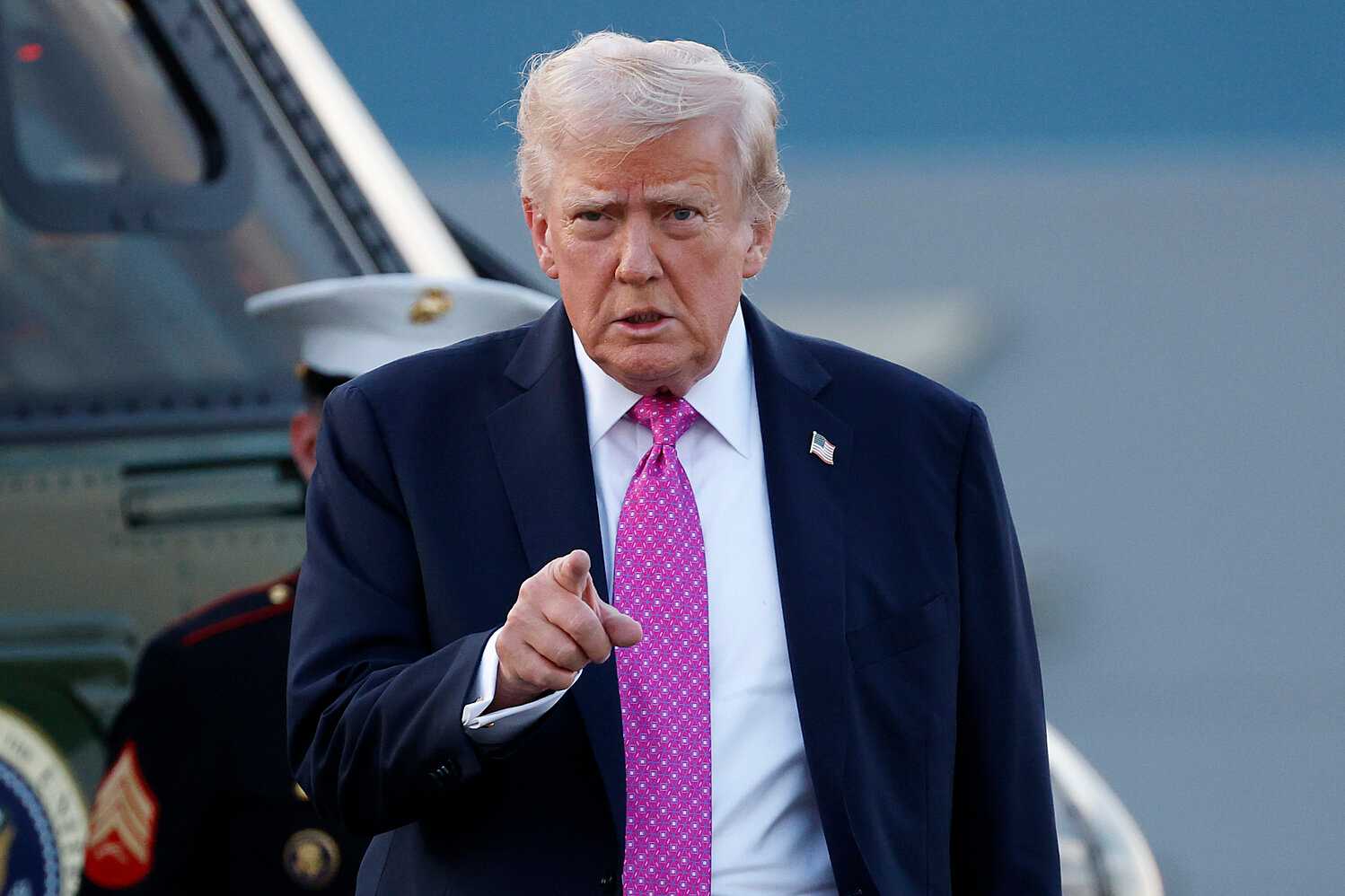
Washington — A new wave of rhetoric from Donald Trump has once again placed immigration, citizenship, and federal authority at the center of national debate, this time with Minnesota as its focal point. The remarks, delivered in a setting that quickly went viral online, have prompted alarm from local officials, condemnation from civil-rights advocates, and renewed questions about how far political language can go before it reshapes policy and public behavior.
The comments followed heightened scrutiny of immigration enforcement and alleged fraud cases in Minnesota, a state home to the largest Somali American population in the United States. While federal investigations into fraud or misuse of public funds are not uncommon, the broader response has raised concerns among state and city leaders about the scope and tone of federal action.
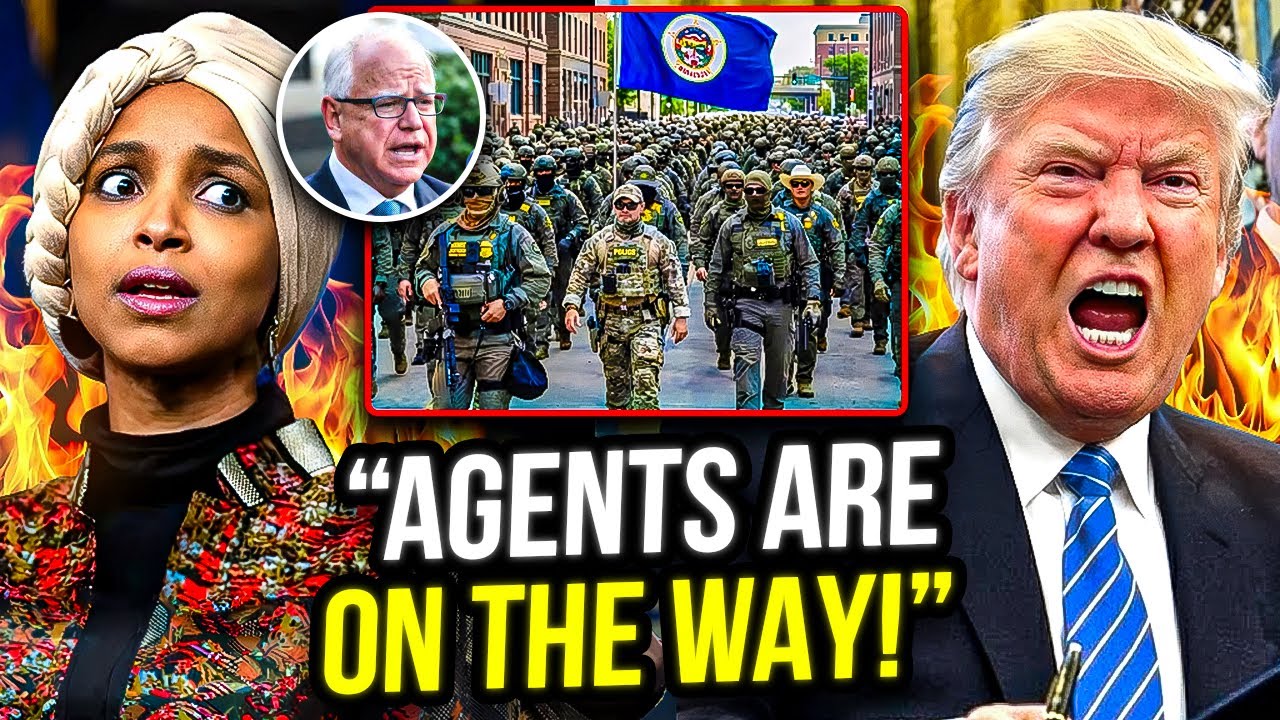
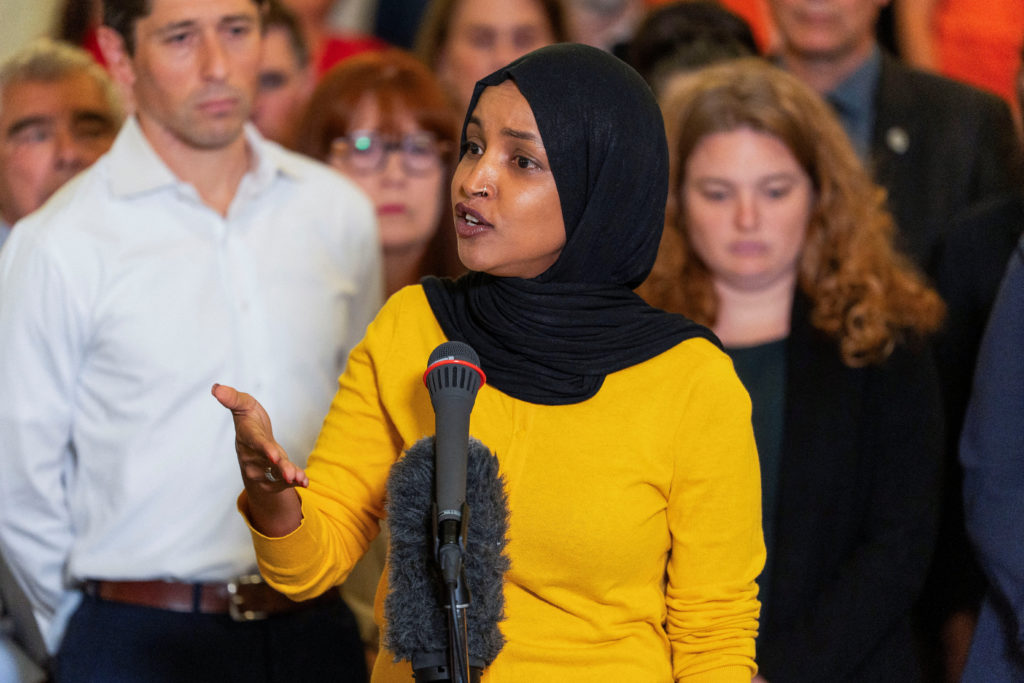
Representative Ilhan Omar, a Democrat whose district includes Minneapolis, addressed the escalating rhetoric by emphasizing that threats and inflammatory language would not intimidate her. In public remarks, she framed the moment as one testing constitutional protections rather than individual political resilience.
Behind the scenes, uncertainty has grown after reports that a significant number of federal agents could be deployed to Minnesota. While federal authorities have not publicly confirmed the scale or purpose of any such deployment, the possibility alone prompted an unusual response from local officials. Jacob Frey, the city’s mayor, issued a public statement urging calm while warning that indiscriminate enforcement risks violating due process and detaining U.S. citizens based solely on appearance or ethnicity.
Minneapolis police officials echoed that concern, advising residents to report encounters involving unidentified or masked individuals claiming to be federal agents, citing the importance of verification and accountability. Their guidance reflected a broader fear among local leaders: that aggressive enforcement combined with charged political rhetoric could erode trust between communities and law enforcement.
Civil-rights organizations argue that the episode illustrates how language at the national level can have immediate consequences on the ground. Statements portraying entire communities as suspect, they say, increase the likelihood of profiling and mistakes, even when enforcement actions are legally authorized. “When rhetoric paints with a broad brush, due process becomes collateral damage,” said one attorney involved in immigrant-rights litigation, speaking on condition of anonymity because of ongoing cases.
Supporters of Mr. Trump counter that the focus is being misdirected. They argue that investigations into fraud or unlawful activity should not be conflated with hostility toward a particular community and that strong language reflects voter frustration with perceived failures of immigration enforcement. Some conservative commentators have framed the controversy as an overdue reckoning with systemic abuse of public programs.
The clash highlights a familiar pattern in contemporary politics: policy disputes accelerating into cultural confrontation. Immigration enforcement, which historically involved quiet coordination between federal and local authorities, increasingly unfolds in public view, amplified by social media and partisan media ecosystems. As a result, even preliminary reports can generate fear or backlash before facts are fully established.
For Minnesota, the stakes are especially high. The state’s Somali American community has been a significant part of its economic and cultural life for decades, contributing to small-business growth and civic institutions. Local officials stress that targeting criminal behavior must be clearly separated from stigmatizing an entire population.
Legal scholars note that the Constitution provides limited but crucial guardrails in moments like this. Federal authorities have broad powers over immigration, but those powers are constrained by requirements of individualized suspicion, judicial oversight, and equal protection. The risk, they warn, lies not only in unlawful actions, but in lawful actions carried out under political pressure that prioritizes visibility over precision.
At the federal level, the episode adds to a growing list of confrontations between Washington and local governments over enforcement priorities. Similar tensions have surfaced in border states and major cities, where officials argue that aggressive tactics can undermine public safety by discouraging cooperation with police.
Whether the situation in Minnesota escalates further remains uncertain. What is clear is that the rhetoric has already reshaped the political environment, turning routine enforcement questions into a broader test of constitutional norms. As one former Justice Department official put it, “The danger is not just what the government does, but what people believe it is willing to do.”
For now, Minnesota finds itself at the intersection of national politics and local governance, navigating fear, misinformation, and legitimate legal concerns at once. The episode underscores a recurring challenge in American democracy: enforcing the law without surrendering the principles that give that enforcement legitimacy.