By XAMXAM
The release of long-awaited records related to Jeffrey Epstein was supposed to mark a turning point—an overdue reckoning with one of the most disturbing criminal sagas in modern American history. Instead, it has ignited a new controversy, one centered not only on what the public learned, but on whom the government failed to protect along the way.

At the center of the uproar is a letter from an Epstein survivor, identified publicly as a Jane Doe, who says her name was left unredacted in documents released by the United States Department of Justice. The disclosure, she argues, violated federal victim-protection laws and exposed her identity to the world—despite years of assurances that survivors’ privacy would be safeguarded.
Her letter, sent directly to the Justice Department and quickly circulating among journalists and lawmakers, describes a bitter irony. She reported Epstein to the Federal Bureau of Investigation as early as 2009. More than a decade later, she says, the government released her name to the public while simultaneously denying her access to her own case files, citing the need for careful review.
The records in question were released under the Epstein Files Transparency Act, a rare bipartisan measure passed overwhelmingly by Congress and signed into law by Donald Trump. The statute required the disclosure of unclassified materials related to Epstein within a fixed deadline, while explicitly mandating that identifying information about victims be redacted.
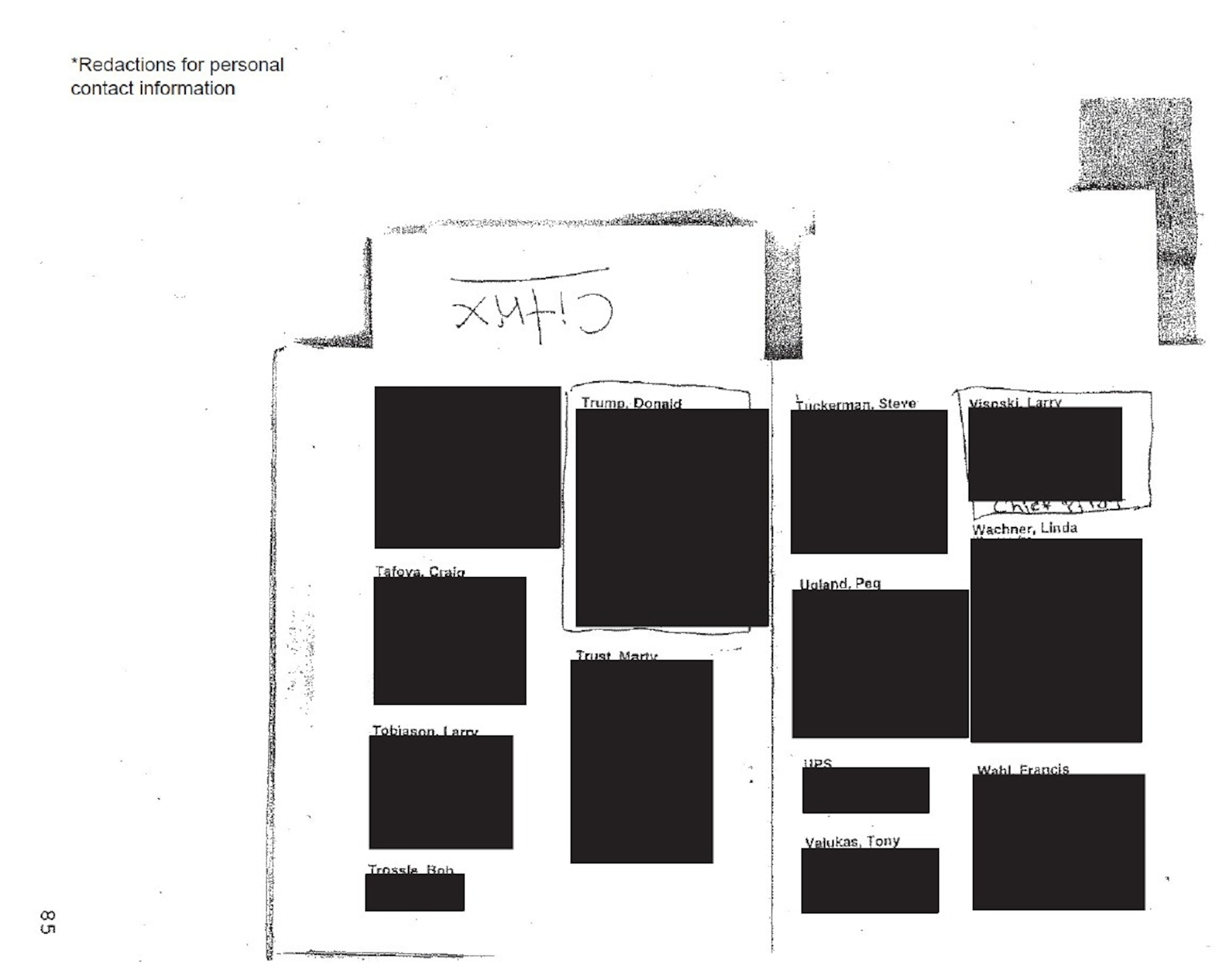
What emerged instead was a chaotic rollout. Thousands of pages appeared heavily redacted, often to the point of unreadability. Entire files were briefly posted and then removed. Search functions were absent. And in at least one case, according to the survivor and independent reviewers, a victim’s name remained visible in multiple documents.
The Justice Department has said removals and redactions were undertaken to protect sensitive information and comply with judicial guidance. But critics from across the political spectrum argue that the approach achieved the opposite: shielding powerful figures while exposing those with the least power.
Lawmakers who supported the transparency law have voiced frustration, accusing the department of violating both the letter and spirit of the statute. Some have raised the possibility of congressional action if compliance is not corrected. Legal scholars note that while agencies retain discretion in execution, victim protection is not optional—it is foundational.

The political implications have been swift. Although Trump has largely avoided direct comment on the substance of the release, the controversy has revived scrutiny of his past associations with Epstein—an issue that has surfaced periodically for years. Supporters dismiss renewed attention as recycled attacks, while critics argue that the administration’s handling of the files has only amplified suspicion and distrust.
What distinguishes this moment from earlier Epstein revelations is not a photograph or a flight log, but a human cost made visible. The survivor’s letter reframed the debate, shifting focus away from celebrity intrigue and toward institutional responsibility. Transparency, she wrote, is meaningless if it comes at the expense of those the system is meant to protect.
Victim-advocacy groups have echoed that sentiment, warning that such disclosures could deter survivors of sexual violence from coming forward in future cases. Trust in law enforcement, once broken, is difficult to rebuild. And in crimes defined by silence and fear, the consequences can be lasting.
The episode has also exposed a deeper tension in American political life: the collision between demands for radical transparency and the ethical obligation to do no harm. Releasing information is not a neutral act. It requires judgment, care, and an understanding of history—not just headlines.
As investigations and legal disputes continue, the survivor’s question lingers: Who is this system really protecting? The answer will shape not only the fate of the Epstein records, but public confidence in the institutions charged with administering justice.
In the end, the files are more than documents on a government website. They represent lives disrupted, warnings ignored, and a collective failure to act sooner. If the goal of transparency was accountability, then its success will be measured not by how much was released, but by whether the people most harmed are finally heard—and protected—rather than exposed once again.