Bill Clinton Challenges Trump Over Epstein Files, Demanding Full DOJ Transparency
In a dramatic escalation of the long-running saga surrounding Jeffrey Epstein’s files, former President Bill Clinton has publicly challenged President Donald Trump, demanding the immediate and complete release of records from the Department of Justice. The confrontation comes as the Trump administration has faced criticism for selectively releasing heavily redacted documents, some of which were interpreted by the media as insinuating wrongdoing by Clinton.
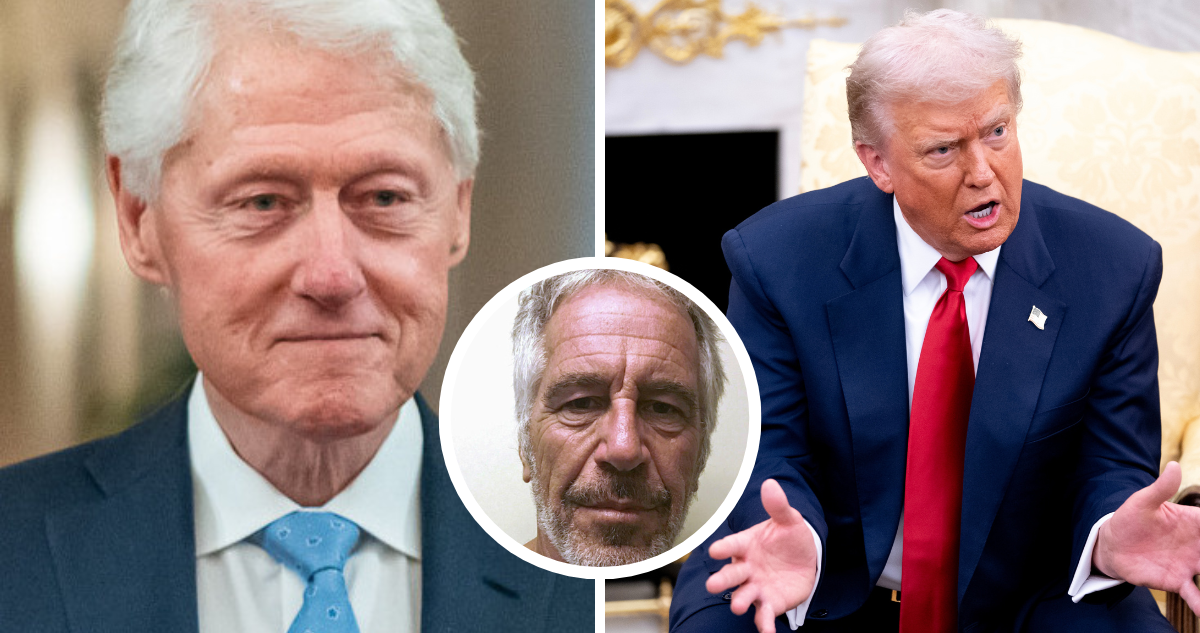
The Epstein Files Transparency Act, a piece of legislation intended to ensure public access to materials related to Epstein’s criminal network, has become a flashpoint. Clinton’s spokesperson emphasized that the selective release of files by the Trump DOJ “suggests that someone is being protected.” The statement added that Clinton himself “needs no such protection,” making clear his demand that all records referencing him—including grand jury transcripts, photographs, and interview notes—be produced immediately.
The political stakes are high. Donald Trump and his allies have sought to frame the Epstein scandal as a Democratic problem, repeatedly suggesting that Clinton and other high-profile Democrats were the central figures connected to Epstein. Trump’s social media posts and public statements have portrayed the former president as a primary target of investigation, while casting himself and his associates as innocent bystanders. The Trump DOJ’s partial and redacted releases have, critics argue, exacerbated this impression, providing selective glimpses that fuel speculation without delivering transparency.
The controversy intensified after recently released documents included photographs of Clinton, alongside figures such as Michael Jackson and Diana Ross, with some faces redacted. Observers noted that these redactions, combined with the lack of context, appeared designed to imply inappropriate associations. In one notable example, a photograph of Clinton in a pool, previously misattributed to Epstein’s island, was actually taken at a hotel pool in Brunei. Such misrepresentations have drawn sharp rebukes from Clinton’s team, who insist that the selective presentation of information is misleading and politically motivated.
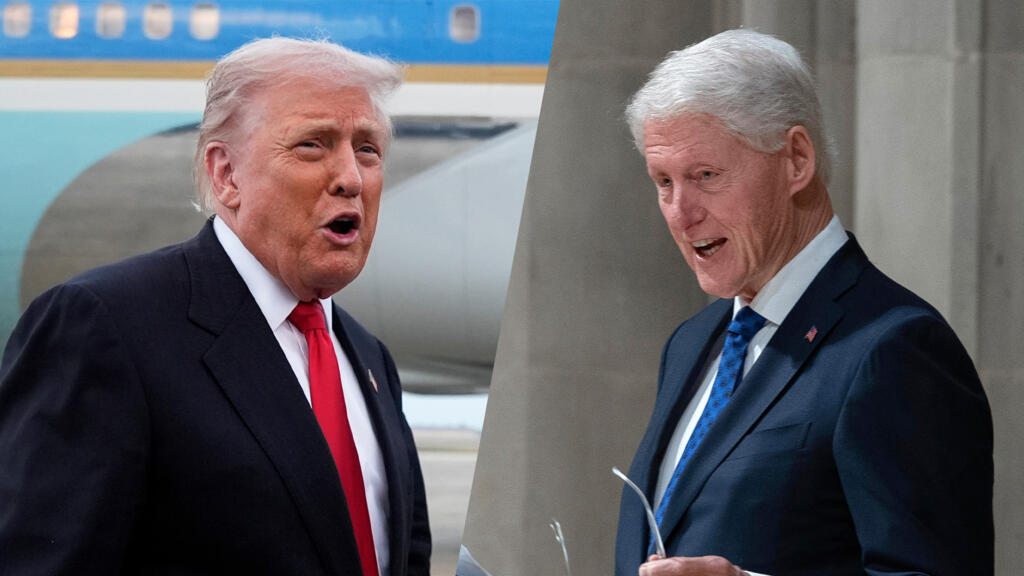
Insiders report that Clinton’s decision to go public was deliberate, aiming to seize control of the narrative and demand accountability. The spokesperson noted that Clinton’s objective is not to evade scrutiny but to ensure the integrity of the release process. By publicly calling on Trump to direct Attorney General Pam Bondi to disclose all relevant materials, Clinton is positioning himself as a proponent of transparency and justice for Epstein’s victims, while simultaneously challenging the administration’s credibility.
Political analysts have highlighted the broader implications of the dispute. By insisting on full disclosure, Clinton not only protects his own reputation but also underscores the perception of partisanship within the Trump DOJ. Critics argue that the administration’s handling of the files—releasing only a fraction of the documents and heavily redacting them—has fueled accusations that it is leveraging criminal investigations for political purposes. The spectacle has reignited public debate over the intersection of law enforcement, political influence, and media coverage.
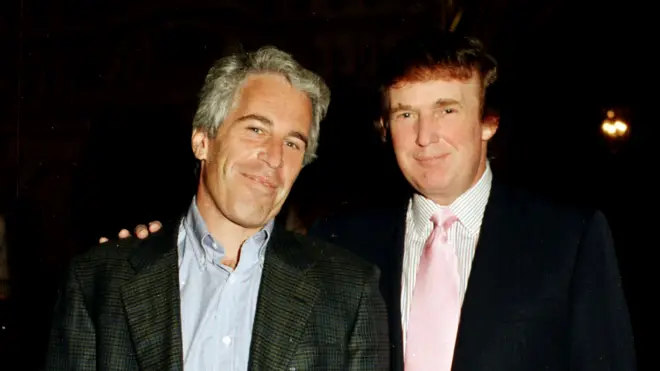
The Epstein files have long been a source of intrigue and controversy, involving prominent figures across politics, business, and entertainment. With the partial releases under the Trump administration sparking renewed scrutiny, Clinton’s intervention adds a dramatic twist to the unfolding story. Observers note that the dispute highlights the delicate balance between public interest, transparency, and the potential for politicization in high-profile legal matters.
Clinton’s move has already reverberated through media platforms and political circles. Analysts suggest that it may force the Trump DOJ to accelerate its decision-making and clarify its rationale for prior redactions. The former president’s insistence on complete disclosure, combined with the administration’s prior actions, sets the stage for a prolonged confrontation that will likely dominate headlines in the weeks to come.
In addition to challenging Trump directly, Clinton’s statement also serves as a broader call for accountability. By framing the issue around full transparency, rather than personal vindication, the former president aligns himself with the public’s demand for clarity about Epstein’s criminal network and the individuals connected to it. As the files continue to emerge, the stakes remain high: political reputations, public trust, and the integrity of the legal system are all on the line.
Observers are watching closely, noting that the unfolding drama has the hallmarks of a historic political confrontation. The interplay between Clinton’s assertive demand for transparency and the Trump administration’s controversial handling of the files underscores the tension between political strategy and legal obligations. The coming weeks may well determine how much of the Epstein files are ultimately revealed, and how the public interprets the actions of the figures involved.
As the debate over disclosure intensifies, Clinton’s insistence on full transparency places him at the center of a broader conversation about accountability, governance, and the responsibilities of those in power. The Epstein files, once again, have proven to be a focal point for controversy, and the world is watching as former presidents and current leaders navigate the high-stakes terrain of scandal, politics, and justice.