Washington —
A widening dispute over the release of documents connected to the late financier Jeffrey Epstein has drawn former President Bill Clinton, President T.r.u.m.p, and the Department of Justice into an escalating confrontation over transparency, legality, and public trust. At the center of the controversy is whether the federal government has complied with a bipartisan law requiring the full disclosure of Epstein-related records — and whether selective redactions amount to an unlawful cover-up.

In a tense interview this week, Representative Robert Garcia of California, the ranking Democrat on the House Oversight Committee, accused the Justice Department and the T.r.u.m.p administration of openly defying Congress. “They are illegally trying to catch up to what Congress mandated,” Garcia said, arguing that the DOJ missed clear statutory deadlines and released documents that were either already public or so heavily redacted as to be meaningless.
According to Garcia, entire pages were blacked out, with some documents containing “not one word” visible to the public. Such releases, he said, contradict the administration’s repeated claims of transparency. “What clearly is happening is a White House cover-up,” Garcia said, adding that the effort appears designed to shield powerful individuals rather than inform the public or support survivors.
The dispute intensified after the DOJ briefly posted, then removed, and later reposted photographs tied to Epstein — including an image showing T.r.u.m.p. Oversight Committee staff noticed the removal within hours and publicly questioned why material involving the sitting president was taken down without explanation. The DOJ has said the changes were intended to protect survivors, a justification Garcia rejected outright.

“The survivors themselves have asked for a meeting with the White House,” he said. “If this were truly about protecting them, the president would sit down and listen.”
While the DOJ says more than 200 lawyers are reviewing files to ensure compliance with court orders and victim protections, members of Congress remain unconvinced. Garcia and other lawmakers argue that the sheer volume of unreleased material — which DOJ reporting itself suggests is substantial — undermines claims that meaningful disclosure has already occurred.
What has emerged so far, legal analysts note, contains little new material directly implicating T.r.u.m.p. His name appears in limited contexts — on a check, in a photograph of uncertain provenance — but the bulk of the newly released files focus instead on Epstein’s long-documented abuse network and the failures of authorities to intervene earlier.
One newly surfaced 1996 complaint has drawn particular attention. Filed by artist Maria Farmer, it alleges that Epstein stole photographs of her underage sisters and attempted to traffic them. The complaint, which includes contemporaneous documentation, suggests that federal authorities were alerted decades earlier to allegations involving child exploitation, yet no decisive action followed at the time.
Emily Bazelon of The New York Times Magazine said the document represents “corroboration that the authorities were on notice.” For survivors, the release has been emotionally devastating but validating. Annie Farmer, one of the sisters named in the complaint, said seeing the document confirmed what she had said for years — and raised painful questions about how many others were harmed after officials failed to act.
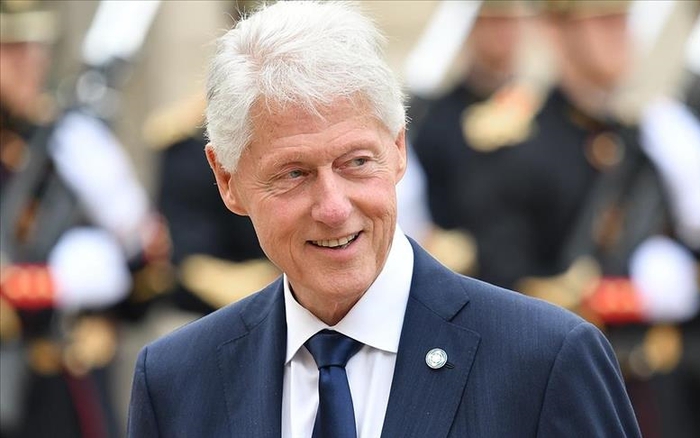
Against this backdrop, Bill Clinton has publicly called for full disclosure — including any remaining materials that mention or depict him. In a statement issued by his representatives, Clinton argued that selective releases create insinuation rather than clarity and demanded that all references to him be made public at once. “We need no such protection,” the statement said, warning that continued withholding would only fuel suspicion.
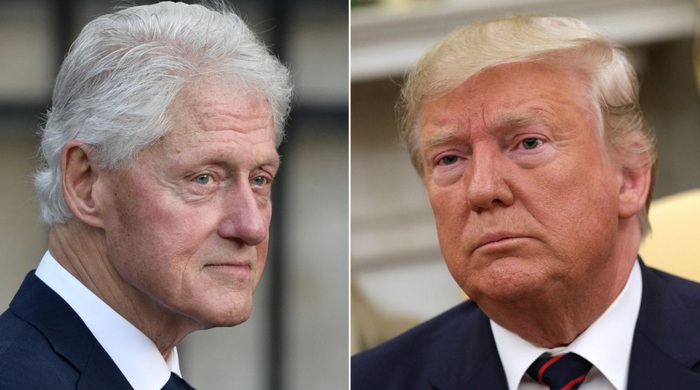
The political implications are delicate. Clinton has not been charged with any crime related to Epstein, nor has T.r.u.m.p, both of whom have denied wrongdoing. But the growing perception that the DOJ is managing disclosure in a politically selective way has intensified scrutiny of the administration and deepened public mistrust.
Garcia said multiple avenues are now being pursued to force compliance, including litigation, Senate action, and potential accountability measures directed at Attorney General Pam Bondi. “The president has the ability right now to do the right thing,” he said. “But if he doesn’t, Congress will act.”
For now, the controversy underscores a broader reckoning — not only with Epstein’s crimes, but with decades of institutional failure that allowed them to continue. As lawmakers, survivors, and journalists push for the full truth, the political fallout continues to spread, and across social media and cable news alike, the sense is growing that the internet is once again erupting in real time.