When Privilege Meets the Speed Limit
On a quiet stretch of Maple Avenue in Hartford, Connecticut, where children ride bicycles and retirees take their afternoon walks, the law briefly collided with something far more complicated than a traffic stop. It collided with privilege.
The case of Victoria Anne Ashford, a 26-year-old investment firm employee and the daughter of a powerful private-equity executive, has become a rare public reckoning over whether wealth and social standing can still bend the rules of everyday life. What began as a reckless driving citation has since evolved into a broader examination of accountability, entitlement, and the fragile trust between the public and the institutions meant to protect it.
According to court records, Ms. Ashford was stopped on September 9 after police clocked her driving more than 80 miles per hour through a residential zone posted at 25. The officer who initiated the stop, a veteran sergeant with more than two decades on the force, later testified that the danger was immediate and severe. The weather was clear, traffic was present, and the time—early evening—meant families were likely outdoors.
What followed was not remorse. Instead, the interaction quickly escalated into confrontation. Prosecutors said Ms. Ashford invoked her family’s wealth and influence, threatening consequences for the officer if the stop proceeded. She later recorded the encounter and shared it online, where the footage was framed not as a warning narrowly avoided, but as content—fodder for mockery and applause.
The videos spread quickly. Within hours, tens of thousands of viewers had watched and reacted. Comment sections filled with laughter, disbelief, and anger. Some saw it as darkly entertaining; others saw something more unsettling: a young woman appearing to treat public safety and law enforcement as props in a performance of immunity.
Six days later, the story took a sharper turn. Doorbell camera footage from the same street captured the same vehicle traveling at high speed once again. No police stop followed this time, but the video would later become a central piece of evidence—suggesting not a lapse in judgment, but a pattern.
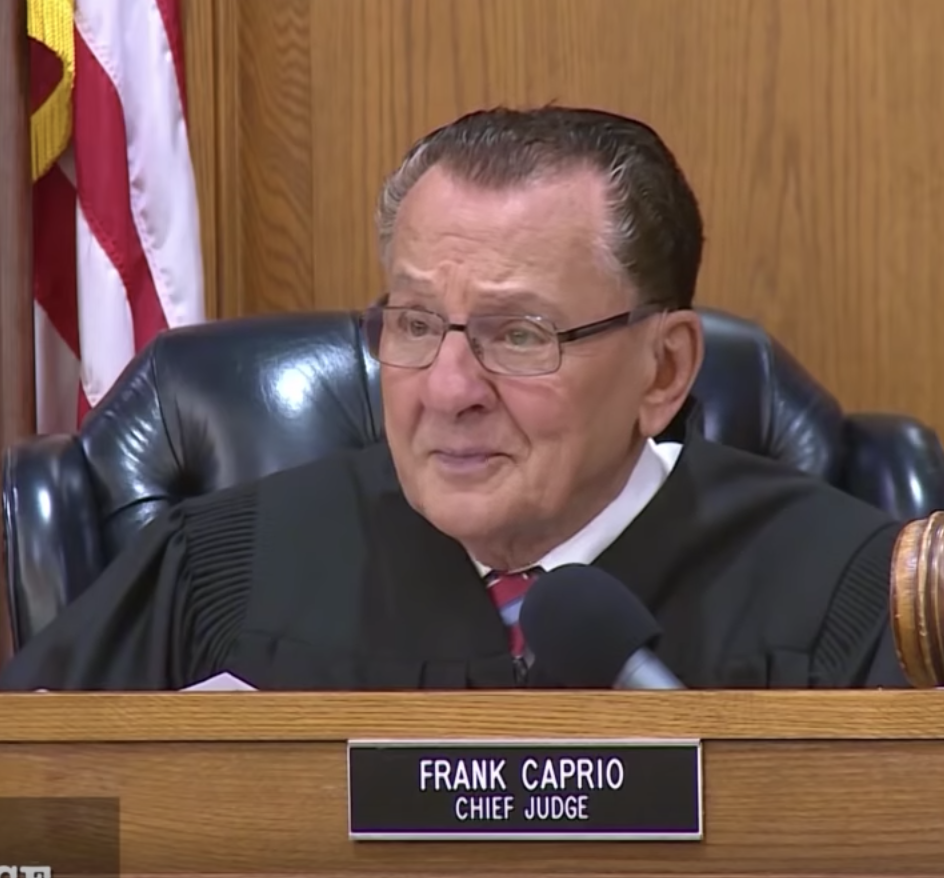
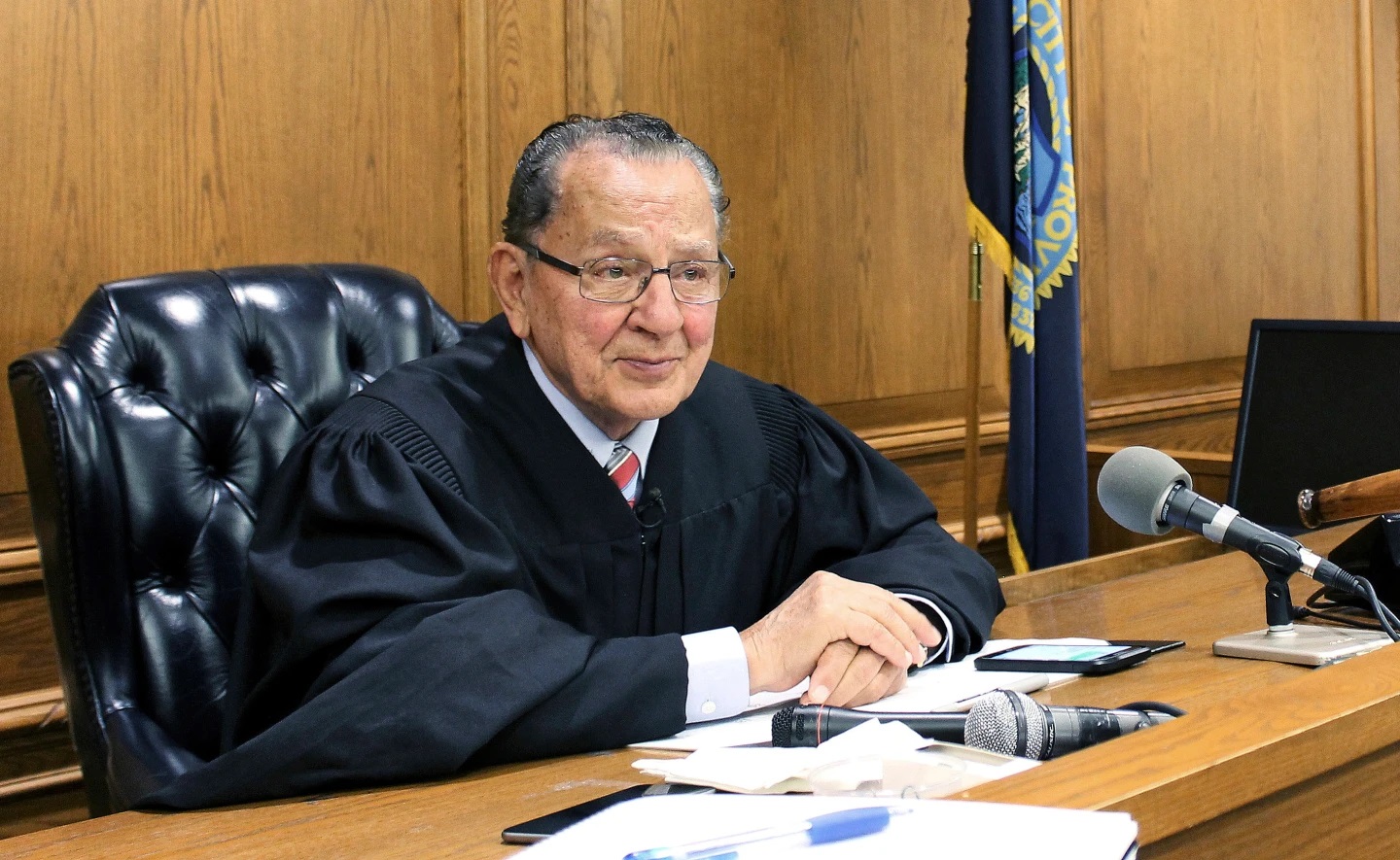
In court, the judge described the case as deeply troubling, not because of its visibility, but because of what it represented. Over more than three decades on the bench, he said, he had seen mistakes driven by fear, immaturity, addiction, or desperation. What concerned him here was indifference—an apparent belief that consequences were negotiable.
That concern intensified as details emerged about efforts made outside the courtroom. The judge disclosed that his chambers had received multiple calls and letters from individuals with political or business influence, some suggesting charitable donations as a way to resolve the matter quietly. He rejected them all.
“Justice is not for sale,” he said, in remarks that were later widely quoted.
The sentence he imposed—nine months of incarceration, a multi-year license suspension, a substantial fine, and mandatory community service—was unusually severe for traffic-related offenses involving no physical injury. But the court framed it not as retribution, but as necessity: a response calibrated to deterrence, public safety, and the integrity of the system itself.
Reaction has been swift and divided. Some legal analysts argue the punishment sends an overdue message in an era when unequal enforcement has eroded public confidence. Others worry about proportionality, questioning whether symbolism outweighed precedent. Online, debate has been less restrained. The footage, excerpts from the hearing, and commentary from legal experts and cultural critics continue to circulate widely.
Yet beneath the arguments lies a quieter truth. The people most affected by reckless driving are rarely the drivers themselves. They are neighbors, children, elderly pedestrians—those who never agreed to share their streets with speed and spectacle. In that sense, the case resonates beyond Hartford.
The judge, in his closing remarks, addressed Ms. Ashford directly. He spoke not of disgrace, but of choice—of whether this moment would become an inflection point or a warning ignored. Accountability, he suggested, was not an end, but a beginning.
For now, the sentence stands. And on Maple Avenue, the speed limit remains unchanged—25 miles per hour, posted plainly, asking only that everyone, regardless of name or net worth, obey it.