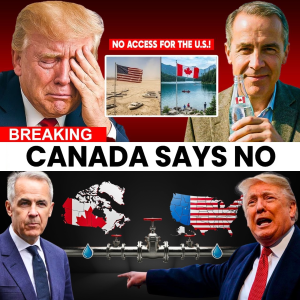
Canada’s Quiet Recalibration as Global Alliances Fracture
For decades, the idea of Canada preparing for a potential military confrontation with its closest ally would have been unthinkable—an academic exercise at best, a dystopian fantasy at worst. Yet in recent months, Canadian defense officials, political leaders, and security analysts have begun speaking in a noticeably different register. The language is cautious, often indirect, but unmistakably more urgent.
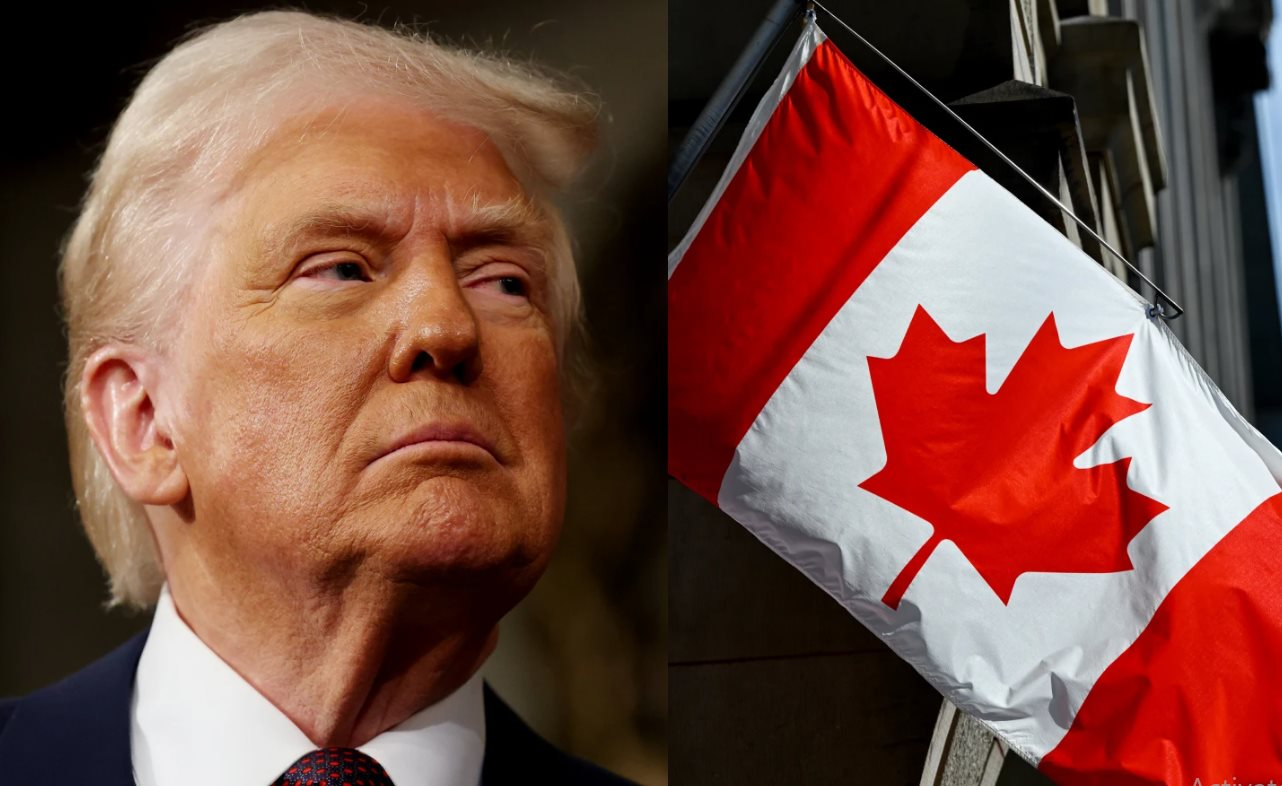
At the center of this shift is a growing unease about the global order itself—and Canada’s place within it. As Russia’s invasion of Ukraine drags on and authoritarian rhetoric spreads beyond Europe, Canadian officials say they are watching patterns emerge that feel uncomfortably familiar. The concern is not rooted in any single statement or policy, but in an accumulation of signals: economic coercion, territorial rhetoric, and a growing willingness by powerful states to blur the line between political pressure and outright threat.
Senior members of Canada’s defense establishment have publicly acknowledged that the country must prepare for scenarios that once seemed implausible. General Jennie Carignan, the head of Canada’s armed forces, has emphasized that the security environment has changed fundamentally. Canada, she noted in recent interviews, spent years divesting from air defense systems during the era of counterinsurgency warfare. That era is over. Airspace is once again contested, and traditional assumptions about geography and alliances no longer hold.
Canada’s regular armed forces currently number just over 65,000, with plans to expand to roughly 71,000 in the coming years. Recruitment has exceeded recent targets, but officials privately concede that manpower alone is insufficient in a world shaped by hybrid warfare, cyber threats, drones, and economic pressure. As a result, Ottawa has begun exploring broader concepts of national resilience—drawing on civilian expertise in emergency response, logistics, communications, and infrastructure protection.
This idea of a “civilian support force,” sometimes described informally as a citizens’ army, is not about mass conscription or militarization of society. Instead, it reflects lessons learned from Ukraine, where ordinary citizens played a decisive role in slowing Russian advances during the war’s opening days. Canadian policymakers point to cases like the defense of Sumy, where lightly armed civilians disrupted supply lines and bought critical time for professional forces to regroup.
Canada’s reassessment is also influenced by uncertainty in its defense procurement. Long dependent on American systems, Ottawa is now openly questioning whether that dependence carries unacceptable risks. Officials have signaled skepticism about future purchases of U.S.-made F-35 fighter jets, citing concerns about sovereignty, supply chains, and political leverage. Alternatives, including Sweden’s Gripen aircraft, are being evaluated not only for performance, but for the degree of control Canada would retain over maintenance and deployment.
Economically, the strain is already visible. Provincial leaders, particularly in Ontario, say that trade actions and tariff threats from Washington have hit steel, automotive manufacturing, pharmaceuticals, and advanced industries. Premier Doug Ford has framed the issue bluntly: protecting jobs and communities now requires a more confrontational posture. Behind closed doors, Canadian officials describe growing cooperation with Europe, Australia, and Asian partners eager to diversify away from U.S.-centric trade relationships.
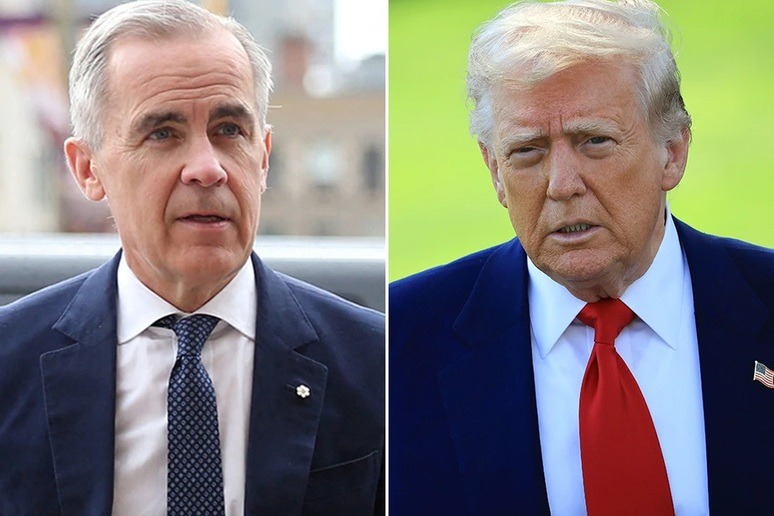
The diplomatic tone has shifted accordingly. Prime Minister Mark Carney has emphasized that nearly every country Canada engages with—“with one exception,” as he has put it—is seeking deeper economic ties. Canada, he argues, is increasingly seen as a reliable partner precisely because it adheres to the rule of law and multilateral norms at a moment when those norms appear under siege.
None of this amounts to an expectation of imminent conflict. Canadian leaders are careful to avoid alarmism, stressing that preparedness is not provocation. Still, the underlying message is clear: complacency is no longer an option. History, they argue, shows that disbelief often precedes disaster.
What unsettles many Canadians is not just the possibility of conflict, but the speed with which assumptions have unraveled. Not long ago, the notion of North America as a permanently stable zone felt self-evident. Today, officials speak more often about resilience, redundancy, and deterrence—terms that reflect a world where certainty has eroded.
Canada’s recalibration is quiet, deliberate, and deliberately understated. But beneath the measured language lies a stark acknowledgment: the rules that once governed global politics are changing, and even long-standing friendships may no longer be immune to the pressures of power, ambition, and fear.