AUSTIN — Online claims that Republicans aligned with Donald Trump suffered a sudden, sweeping defeat in a Texas “emergency special election” spread rapidly Tuesday night, igniting speculation that a deep-red district had flipped blue in a dramatic revolt over tariffs and health-care costs.
A review of official election calendars and statements from Texas election officials shows no statewide or congressional emergency special election took place on the date cited in the viral posts. No certified results indicate that a traditionally Republican district flipped parties overnight.
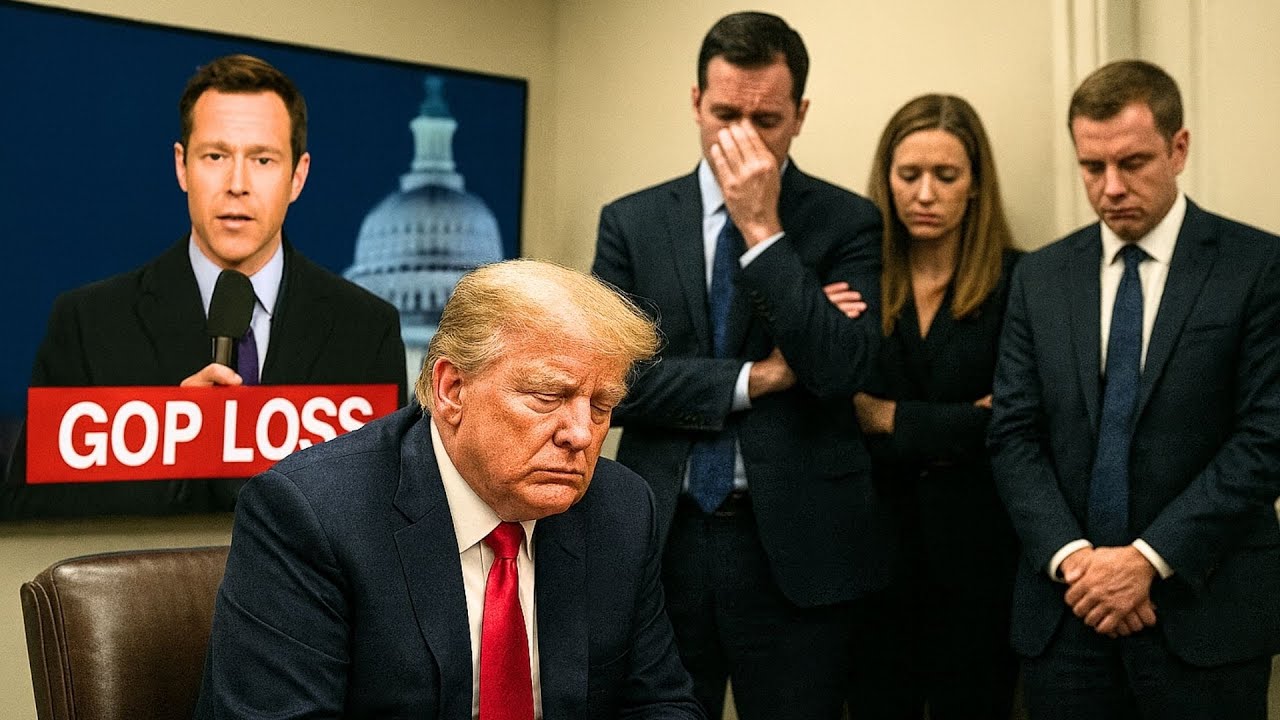
Still, the speed and intensity of the reaction point to something that is real: persistent voter unease in Texas over economic pressures, health-care affordability, and trade policy — issues that continue to complicate Republican messaging even in long-held territory.
What Actually Happened — and What Didn’t
Texas conducts special elections only under specific circumstances, such as a vacancy created by resignation or death. Those elections are publicly scheduled, administered by counties, and certified by the state. As of this week, there has been no announcement from the Texas Secretary of State of an unscheduled or emergency congressional contest, and no certified vote totals reflecting a party flip.
Claims of “exit polls” circulating online have not been traced to any recognized polling organization or election authority. Political analysts say such narratives often emerge from a mix of unrelated local races, older results, or hypothetical modeling repackaged as breaking news.
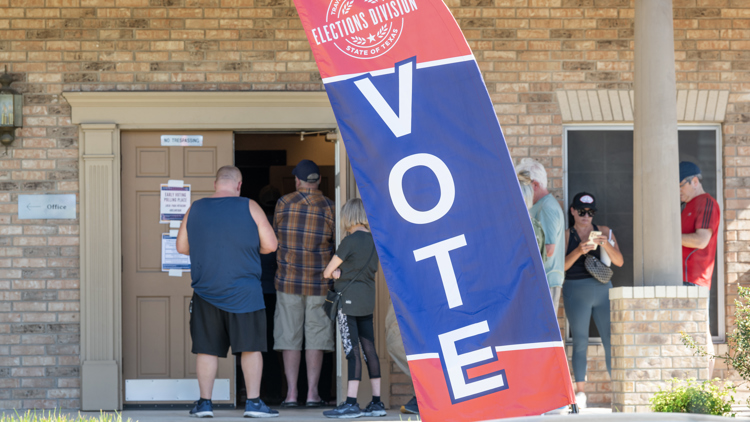
“This happens most often in politically symbolic states,” said a Texas-based election law expert. “Texas carries enormous narrative weight, so people project national meaning onto rumors that don’t match the election calendar.”
Why the Story Resonated Anyway
Even without a real election result, the themes embedded in the viral claims mirror genuine debates in Texas politics. Farmers and exporters continue to track trade policy closely, particularly tariffs that can trigger retaliation against U.S. agricultural products. Health-care costs remain a top concern for working-class voters across party lines, especially in rural areas with limited hospital access.
Republicans have largely held Texas through a coalition of rural voters, suburban conservatives, and business interests. But margins have narrowed in recent cycles, and Democrats have invested heavily in organizing around cost-of-living issues.
Polling over the past several years shows that while Texas remains Republican-leaning, many voters separate cultural identity from economic anxiety. “You can be conservative and still angry about prices,” said a Democratic strategist familiar with Texas races. “That doesn’t automatically flip districts, but it changes turnout and enthusiasm.”

Tariffs and Health Care as Political Pressure Points
Trump’s tariff policies during his presidency were popular with some voters as a show of toughness on trade, but they also produced uneven effects. Farmers in export-dependent regions faced volatility, partially offset by federal aid programs. Health-care debates — including Medicaid expansion and insurance premiums — continue to divide Texas lawmakers and voters.
Republican leaders argue that national inflation and health-care costs are driven by broader economic forces and Democratic spending policies. Democrats counter that GOP resistance to health-care expansion and trade uncertainty disproportionately hurt working families.
These arguments are already shaping early positioning for 2026, even as actual election contests remain on the normal schedule.

How Misinformation Fills the Gaps
Political misinformation often thrives in the space between real anxiety and verifiable events. In this case, a dramatic “Texas flips tonight” narrative offered a clean, emotionally satisfying storyline — even without factual grounding.
Election officials stress that legitimate results are released by counties and the state, not through anonymous posts. “If a district flips, there’s a paper trail,” said one county elections administrator. “There are ballots, canvasses, certifications. None of that exists here.”
The Bottom Line
-
No emergency special election flipping a Texas district has been certified.
-
No official results show a sudden Republican collapse statewide.
-
Economic concerns about tariffs and health care are real and politically significant.
Texas remains a Republican-leaning state, but not a static one. The viral story may be false, but the pressures it referenced are shaping real political calculations. As campaigns look ahead, both parties are watching how cost-of-living issues influence turnout — not through imaginary election nights, but at the ballot box when real votes are cast.