Inside the Quiet Storm: A Former Aide’s Account Fuels New Questions About T.r.u.m.p’s Health and White House Secrecy
For years, the physical and cognitive health of Donald T.r.u.m.p has been a subject of speculation, rumor, and carefully managed messaging. This week, those long-simmering questions were reignited by Sarah Matthews, a former deputy press secretary in the T.r.u.m.p White House, who offered a blunt and unsettling account of how presidential health information can be obscured, minimized, or deliberately withheld from the public.

In a wide-ranging interview, Matthews described what she characterized as a familiar pattern: visible signs of concern followed by delayed, partial, and often implausible explanations from official channels. She pointed to unexplained bruising on the back of T.r.u.m.p’s hands, inconsistent messaging around medical scans, and a White House communications operation that, in her words, never fully closes the loop with clear facts.
Matthews’ credibility rests in part on her own experience during T.r.u.m.p’s first administration, particularly during his COVID hospitalization. At the time, she said, she personally assured reporters that the president was doing well and had gone to Walter Reed merely as a precaution. Only later did she learn that those assurances were false, and that T.r.u.m.p had been far more seriously ill than the public was told.

“I put my name and reputation on the line,” Matthews explained, adding that she herself had been misled by senior officials. The episode, she said, revealed an unshakable principle at the core of the T.r.u.m.p presidency: the president never wants to appear weak, and the machinery around him is built to reinforce that image at nearly any cost.
That instinct, Matthews suggested, is once again shaping the narrative. Official explanations—such as claims that hand bruises resulted from vigorous handshaking—have only raised more questions. Even if taken at face value, she argued, such explanations highlight fragility rather than strength, undermining the very image they are meant to protect.
The broader issue, Matthews said, is not just one medical episode but a system. In the press office, she recalled, there were frequent “huddles” in which staff anticipated difficult questions and worked backward from the president’s preferences, not from transparency. The challenge was always the same: keep the boss satisfied while offering just enough information to deflect sustained scrutiny.
That dynamic, she believes, is now confronting T.r.u.m.p’s current press team as well. While spokespeople gesture toward openness, Matthews argued that the administration’s track record gives the public little reason to trust official medical disclosures, especially when even basic details like height and weight have been publicly disputed.
Complicating matters further is a separate but related controversy stemming from a recent Vanity Fair profile of Susie Wilds, a senior figure in T.r.u.m.p’s inner circle. Based on more than a dozen interviews, the article portrayed an unusually candid portrait of life inside the administration, including remarks about T.r.u.m.p’s behavior and the habits of key allies. While Wilds and the White House have pushed back by invoking “context,” Matthews noted that none of the quotes have been denied, and that all were recorded.
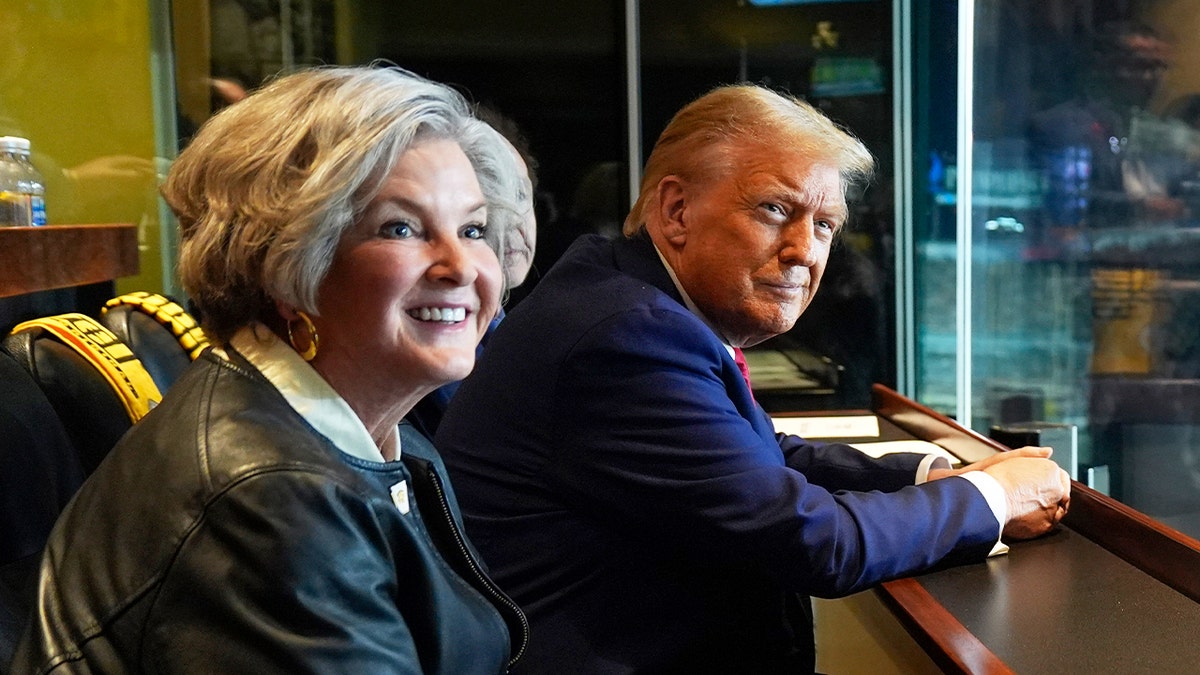
To Matthews, the backlash appears less about accuracy than about discomfort. Publicly, officials have closed ranks, denouncing the piece as unfair. Privately, she suspects, there is frustration over how much was revealed. Still, she doubts Wilds’ standing with T.r.u.m.p will suffer significantly. Loyalty, Matthews said, often outweighs embarrassment in his calculus.
Zooming out, Matthews connected these controversies to a shifting political landscape. With approval ratings slipping and policy promises unmet, she argued, some Republicans are finding it harder to overlook T.r.u.m.p’s personal controversies. Statements that once might have been dismissed are now provoking open criticism from within his own party, a sign that political gravity may be slowly changing.
Yet Matthews was careful not to predict a sudden break. The system that shields T.r.u.m.p—tight inner circles, fewer leaks, and disciplined messaging—remains intact. If there is something serious going on behind the scenes, she said, it could remain hidden for a long time, even as visible signs accumulate.
For now, the result is an information vacuum filled by speculation, leaked accounts, and conflicting narratives. As official answers lag and former insiders speak more freely, the gap between what is seen and what is said continues to widen—and online, the debate is spreading at a pace that suggests the internet is once again exploding.