Carney Defends Canada’s Trade Strategy in Tense CBC Interview, Vows Diversification Amid Trump Uncertainty
OTTAWA — In a year-end interview with CBC broadcast on Dec. 22, Prime Minister Mark Carney faced pointed questions about his administration’s handling of U.S. President Donald J. Trump, trade relations, and economic priorities, delivering a message of strategic patience and national resilience. The 45-minute discussion, often confrontational, tested Carney’s leadership amid lingering concerns over tariffs, inflation, and Canada’s dependence on American markets.
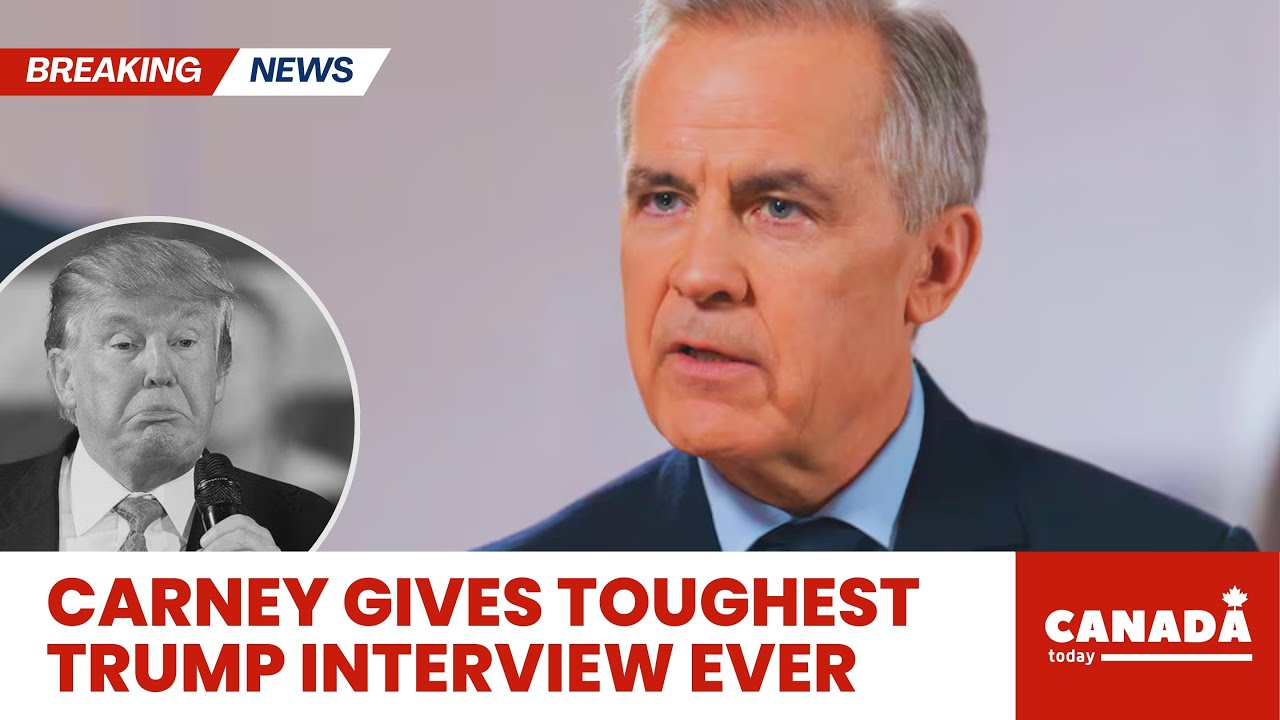
Carney, who assumed office in March after leading the Liberal Party to victory, emphasized that Canada cannot control Trump’s whims but can shape its own path. “We can’t necessarily control Donald Trump,” he said, referring to the president’s erratic trade threats. “What we can control is what we build here at home.” He highlighted progress on domestic infrastructure, including $25 billion for housing and $6 billion for export facilities, aimed at doubling non-U.S. trade over the next decade.
The interview’s sharpest exchanges centered on U.S. relations. CBC host Rosemary Barton pressed Carney on whether he had secured meaningful concessions from Trump, noting the absence of retaliatory tariffs and delays on digital services taxes. Carney countered that Canada holds “the best deal of any country in the world,” with 85 percent tariff-free access under the USMCA, while pursuing deeper ties with the European Union, India, and Asia. “We have unparalleled access relative to other countries,” he said.
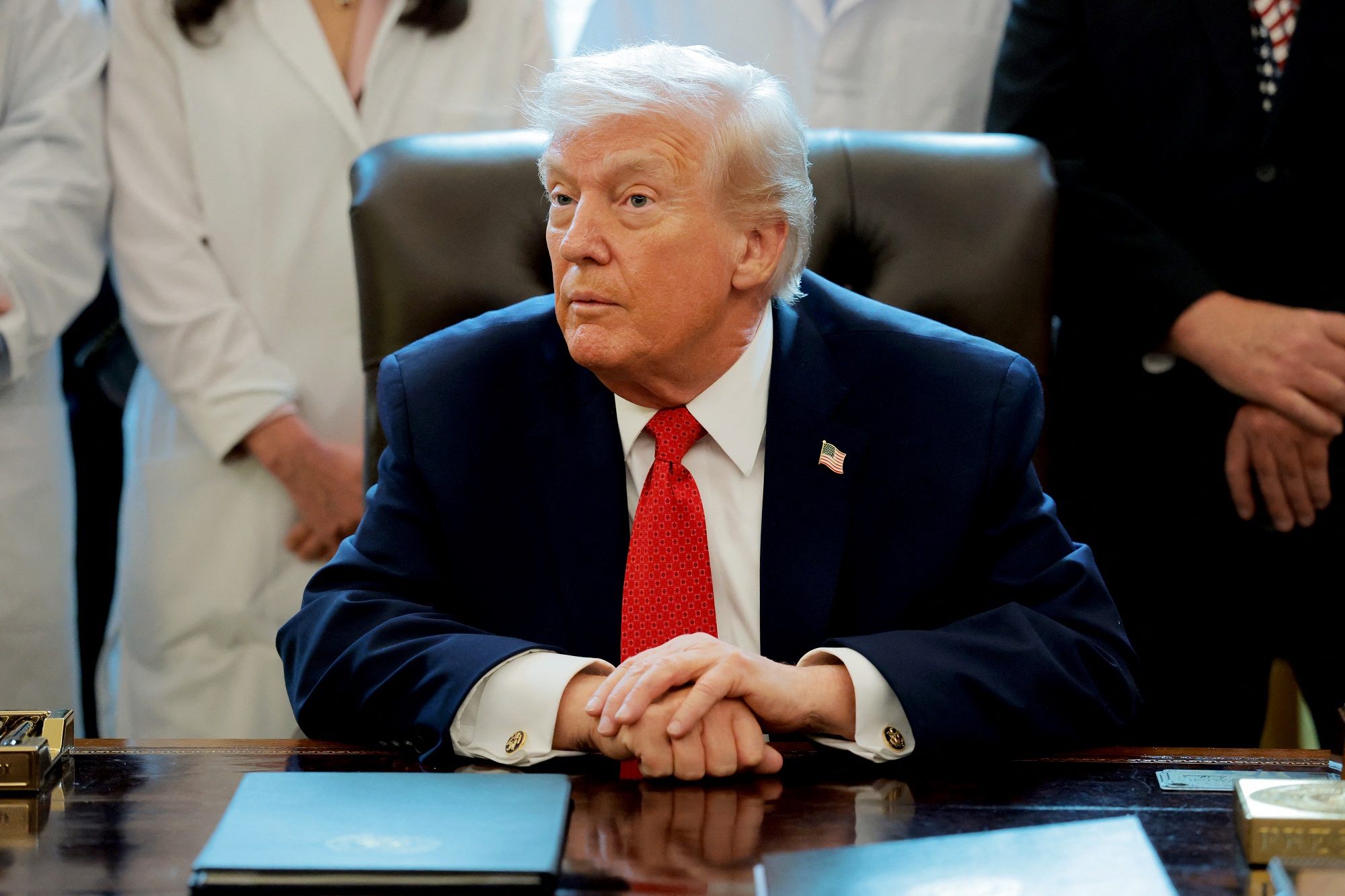
Trump’s unpredictability loomed large. Carney recounted a recent meeting with Trump and Mexican President Claudia Sheinbaum, describing it as productive but acknowledging U.S. views on competitors shift unpredictably. “Does the U.S. view its competitors as Canada or China?” Carney asked rhetorically, urging Washington to recognize shared North American strengths in autos, steel, and aerospace.
On China, Barton challenged Carney’s past label of Beijing as Canada’s “biggest security threat.” Carney reaffirmed the concern but stressed diversification: “Never have all your eggs in one basket.” He outlined outreach to multiple partners, including the UAE and Saudi Arabia, to bolster supply chains resilient to U.S. policy swings.
Economic critiques dominated the discussion. Barton highlighted stagnant job growth — just 110,000 net additions since May — and rising unemployment at 4.6 percent, questioning Trump’s unfulfilled promises. Carney blamed inherited challenges and Republican refusal to extend A.C.A. subsidies, projecting premium hikes of 100-300 percent. “Costs are up, unemployment is up,” he said. “Trump has lied to the public.”
The prime minister touted $80 billion in five-year health care investments, including training expansions and salary boosts, as key to addressing shortages. He visited an Ottawa medical simulation center, demonstrating ultrasound tools and laparoscopic simulators, underscoring efficiency gains.
Carney’s composure contrasted with GOP internal strife. He noted Republican Rep. Mike Lawler’s criticism of blocking subsidy votes, predicting midterm backlash. “Republicans don’t want to extend these credits,” Carney said, prioritizing billionaire tax cuts over affordability.
On tariffs, Carney defended pausing retaliation as leverage-building, citing $19 billion in Microsoft investments pledging data sovereignty against U.S. demands. “Canada is emerging as North America’s stable AI hub,” he implied.
Critics argue Carney’s approach lacks aggression. Conservatives accuse him of weakness, while progressives demand bolder diversification. Yet his poll numbers hold steady at 48 percent approval, buoyed by economic stabilization.
As 2026 approaches, Carney framed the year as pivotal for USMCA review. “We’ll negotiate hard, but won’t let it crowd everything else out,” he said. For Canada, the interview reinforced a pivot: from U.S.-centric reliance to global autonomy, betting stability trumps volatility.