🔥 BREAKING: Trump GOES NUTS After Jimmy Kimmel DESTROYS Him LIVE On Air — The Moment That Sent Him Into TOTAL MELTDOWN
WASHINGTON — The long-running feud between Donald Trump and Jimmy Kimmel intensified this month after the comedian devoted several monologues to sharply criticizing the president’s rhetoric on immigration, the economy, and political dissent — prompting an unusually personal and sustained response from Mr. Trump.

The latest clash followed a speech Mr. Trump delivered at a casino resort in Pennsylvania, an event his aides had billed as focused on economic affordability. Instead, the president revisited themes that have long defined his immigration views, praising wealth-based entry into the United States and disparaging migrants from certain countries. The remarks, delivered before a partisan audience but quickly circulated online, reignited criticism across the political spectrum.
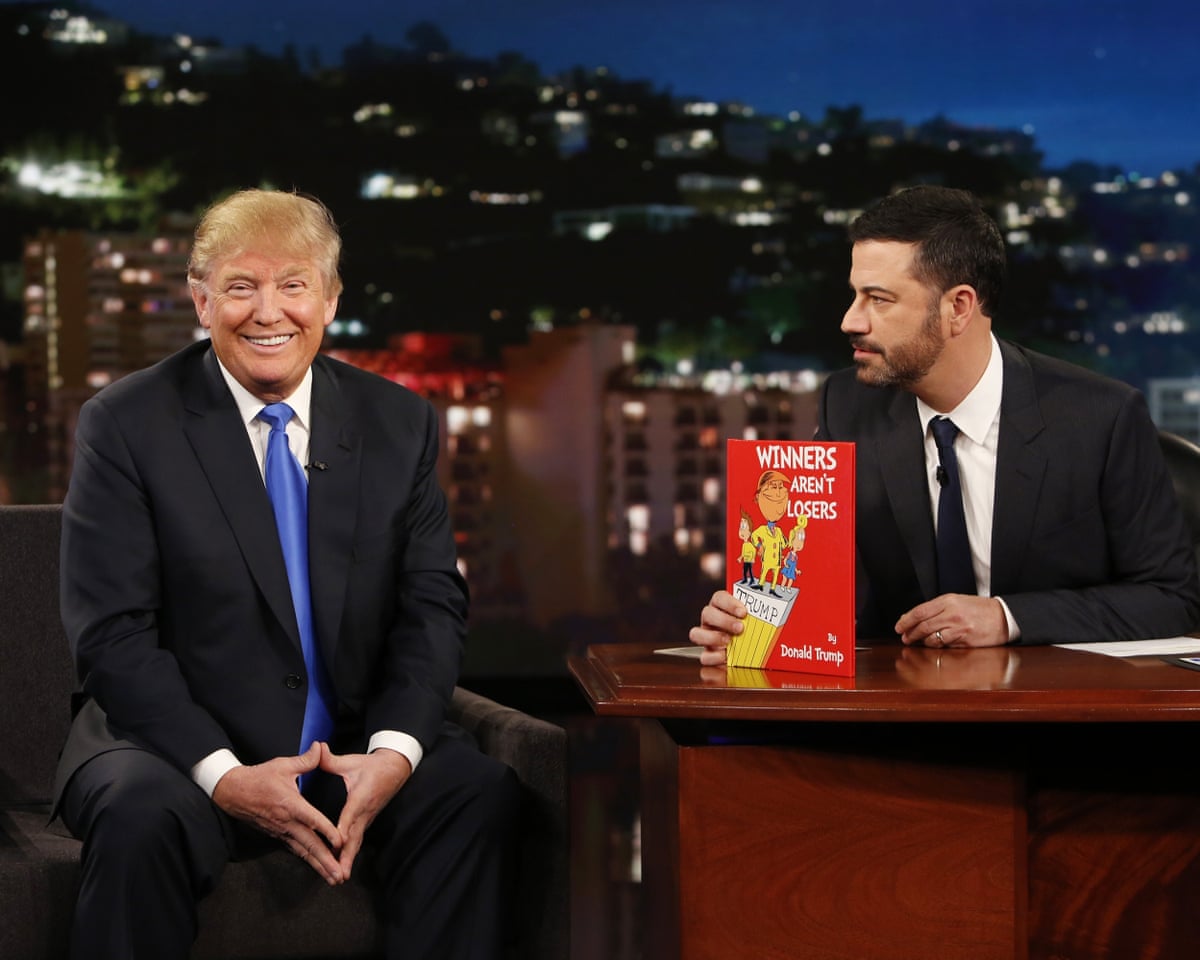
On his ABC program, Kimmel dissected the speech point by point, replaying excerpts and contrasting them with publicly available economic data. He questioned Mr. Trump’s repeated assertions that the economy deserved what the president called an “A-plus-plus” grade, noting that many households continue to report difficulty keeping pace with food prices, housing costs, and health care expenses.
While late-night satire has historically thrived on exaggeration, Kimmel’s approach leaned heavily on direct quotation and juxtaposition. “You can’t tell people their bills are affordable when they know they’re not,” he told viewers, framing his critique less as partisan opposition than as a rebuttal grounded in everyday experience.
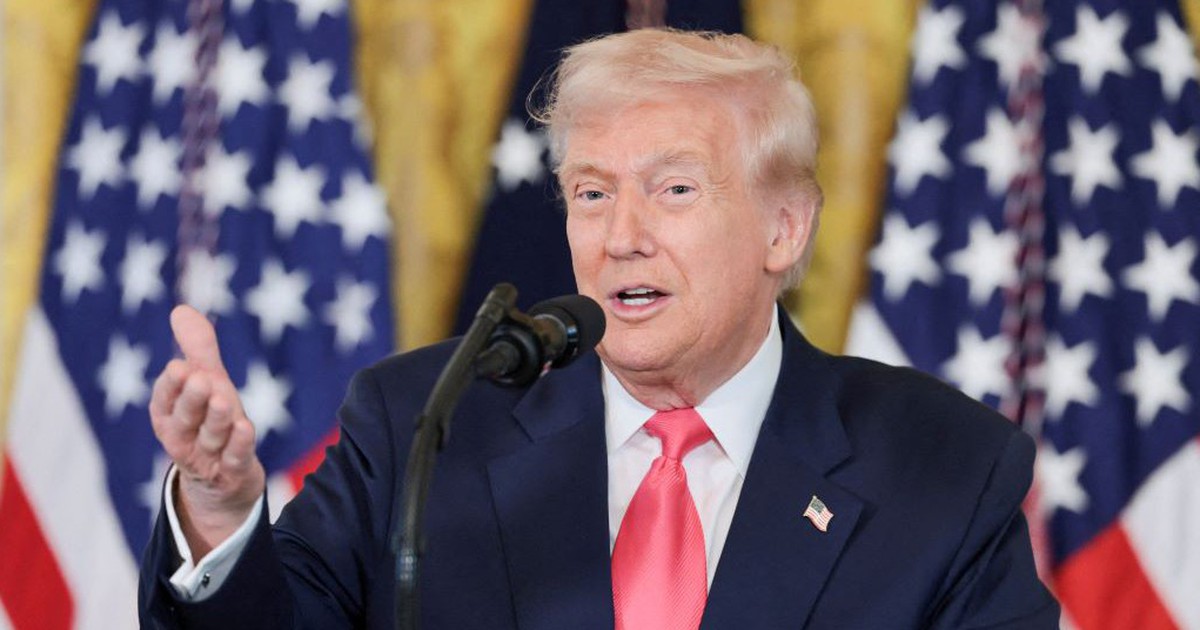
Mr. Trump’s response was swift. On Truth Social, he accused Kimmel of dishonesty and incompetence, derided his ratings, and demanded apologies from television networks that aired what he described as defamatory content. The posts appeared within minutes of Kimmel’s broadcasts ending, a timing the host himself later highlighted on air.
The episode echoed a familiar pattern from Mr. Trump’s political career: sharp criticism followed by a counterattack that blends personal insult with broader claims of media bias. Yet the persistence of the exchange — unfolding night after night across multiple platforms — underscored how deeply intertwined entertainment and politics have become.
The conflict widened when Marjorie Taylor Greene, once among Mr. Trump’s most visible allies, publicly distanced herself from him in television interviews. Ms. Greene criticized what she described as a culture of fear within her party, saying that lawmakers privately mocked Mr. Trump before aligning themselves with him after his political resurgence.
Her remarks drew a blistering response from the president, who accused her of disloyalty and questioned her intelligence. Kimmel, in turn, replayed those comments and contextualized them within the broader history of intra-party disputes, arguing that the episode illustrated how quickly alliances can fracture when public criticism emerges.
Beyond the personalities involved, the dispute highlighted substantive policy questions. Mr. Trump has promoted an immigration proposal that would grant legal status to wealthy applicants in exchange for large payments, a concept his allies have framed as pragmatic and critics have condemned as transactional. Kimmel likened the idea to branding exercises from Mr. Trump’s business career, suggesting it reflected a view of citizenship as a commodity rather than a civic bond.
The White House has defended the proposal, arguing that it would attract investment and reduce strain on public resources. But economists interviewed by major news outlets have expressed skepticism, noting that immigration systems centered on wealth risk deepening inequality without addressing labor shortages or humanitarian obligations.
The late-night commentary also touched on Mr. Trump’s frequent claims about his own health and mental acuity, after he published lengthy posts describing his performance on cognitive tests. Medical experts have cautioned that such exams are typically used as screening tools, not as measures of exceptional ability. Kimmel treated the subject cautiously, emphasizing that transparency, not bravado, was what concerned voters.
For ABC, the network that airs Kimmel’s show, the controversy came amid renewed scrutiny of media independence. After Kimmel’s contract was quietly renewed through 2027, executives declined to comment publicly, but the extension was widely interpreted as a sign that the network was standing by its host despite political pressure.
For Mr. Trump, the ongoing feud may serve a strategic purpose. By positioning himself as the target of elite ridicule, he reinforces a narrative that has resonated with his supporters for years. For Kimmel, the confrontation has reinforced the evolving role of late-night television — not merely as entertainment, but as a forum where political claims are interrogated in real time.
As the exchange continues, it reflects a broader reality of American politics in the digital age: policy debates, personal grievances, and popular culture now unfold on the same stage, with audiences invited to judge not only the arguments, but the spectacle itself.