A political and media firestorm erupted after Jimmy Kimmel delivered a scathing on-air critique of the Trump administration, directly challenging statements made by White House press secretary Karoline Leavitt. What began as a late-night monologue quickly escalated into a national controversy centered on free speech, government pressure, and the boundaries between political power and media criticism.
Kimmel’s remarks focused on what he described as contradictions in the administration’s messaging on inflation, public safety, and media accountability. By replaying official statements alongside publicly available data and past remarks, the host framed his segment as a fact-based rebuttal rather than a personal attack. The approach resonated widely, with clips spreading rapidly across social platforms within hours of the broadcast.
The situation intensified when Donald Trump responded angrily on social media, attacking Kimmel’s credibility and questioning why major networks continued to air his show. Trump’s posts framed the monologue as politically motivated, igniting further debate about whether criticism from entertainers constitutes activism or protected speech.

Attention soon shifted to Karoline Leavitt, who defended the administration during subsequent media appearances. Critics accused her of downplaying the impact of Trump’s comments and mischaracterizing the circumstances surrounding network decisions. Supporters, however, argued she was simply pushing back against what they see as hostile media framing.
The controversy took a sharper turn as commentators alleged that federal regulatory pressure may have influenced network decisions regarding late-night programming. Media law experts cautioned that even perceived government coercion—whether proven or not—raises serious First Amendment concerns, particularly when officials publicly single out journalists or entertainers.
When Kimmel returned to the air days later, his opening monologue struck a more somber tone. He emphasized that the issue extended beyond his show, warning that government efforts to intimidate critics could set a precedent affecting all broadcasters. Viewership surged, with ratings reportedly far exceeding the program’s usual averages.
Political reactions poured in. Some lawmakers condemned what they described as attempts to silence dissent, while others dismissed the controversy as exaggerated outrage driven by partisan media ecosystems. Analysts noted that the clash highlighted a broader trend: escalating confrontations between political leaders and cultural figures who command massive audiences.
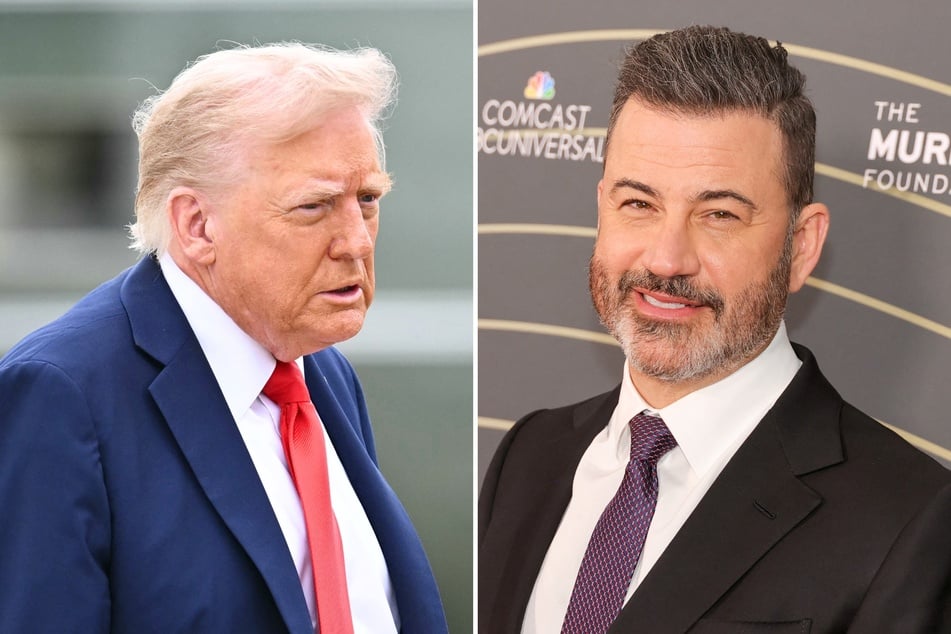
As the dust settles, the episode stands as a defining moment in the ongoing tension between political authority and media freedom. Whether viewed as justified backlash or overreach, the confrontation underscores how quickly late-night television can become a frontline in America’s broader debate over power, accountability, and the right to speak freely.