NEW YORK — Few names in American public life continue to generate as much unease — or as many viral waves — as Jeffrey Epstein. Years after his death, newly resurfaced documents and past social connections still reverberate through politics, media, and elite circles. This week, that reverberation reached the Trump family once again, though indirectly, through renewed scrutiny of a figure linked to the family by marriage.
The renewed attention stems from reporting by The New York Times that revisited historical records related to Epstein’s efforts to cultivate legitimacy in Palm Beach and New York society during the 1990s and early 2000s. Among those records: character letters written by prominent acquaintances that portrayed Epstein in favorable terms before the full scope of his crimes was publicly known.
One such letter, according to the reporting, was authored by Harry Ly Anderson Jr., a Palm Beach figure whose family later became connected to Donald Trump Jr. through his engagement to Bettina Anderson. The letter, written years before Epstein’s first criminal conviction, reportedly described Epstein in laudatory language while advocating on his behalf in financial or civic matters.
There is no indication that Anderson, Trump Jr., or any current member of the Trump family had knowledge of Epstein’s criminal conduct at the time the letter was written. Nor is there evidence that Trump Jr. was involved in, aware of, or benefited from Anderson’s past correspondence. Nonetheless, the resurfacing of the letter has ignited intense online reaction, fueled by the symbolic weight of Epstein’s name and the continued fascination with elite networks that once intersected with him.
The Trump family has repeatedly faced questions about peripheral connections to Epstein, including social overlap in Palm Beach during the 1990s — associations that Donald Trump has said ended long before Epstein’s crimes became widely known. No member of the Trump family has been accused of criminal wrongdoing related to Epstein, and multiple investigations have found no evidence implicating them in his trafficking activities.
Still, the political optics remain potent.
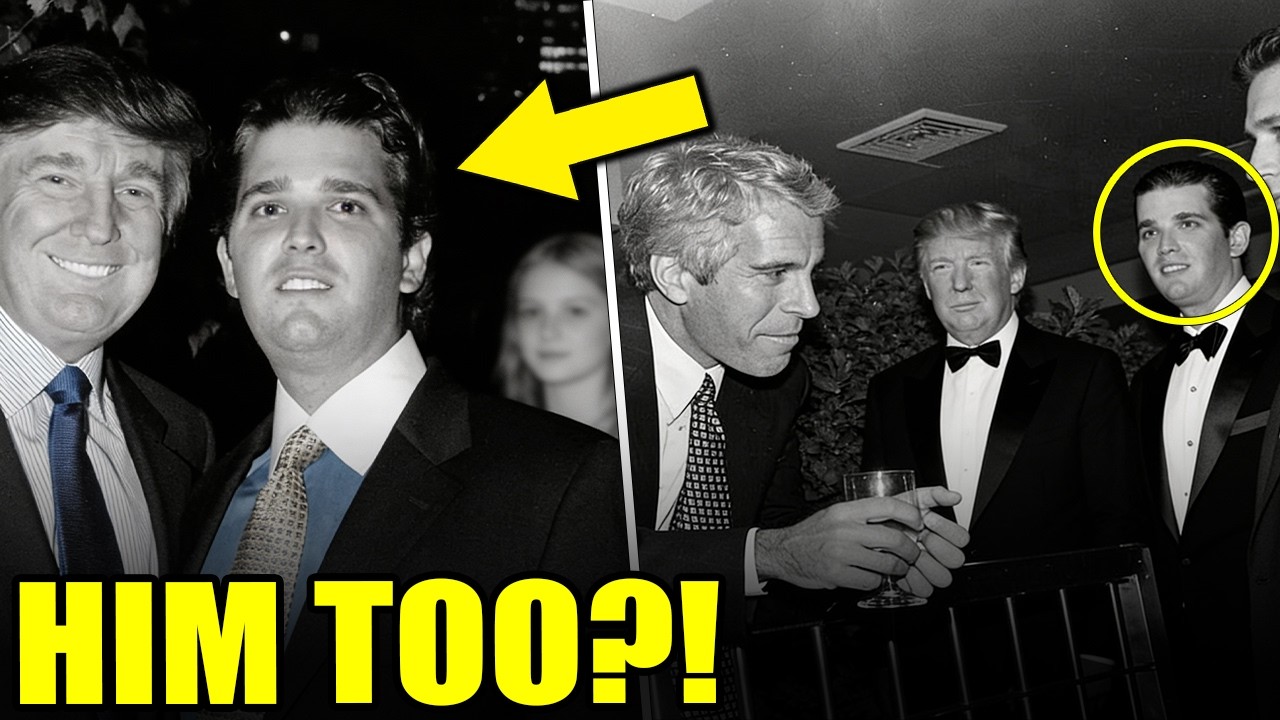
Epstein’s strategy of soliciting character references from respected figures is well documented. Legal scholars note that such letters were common tools used by wealthy defendants seeking leniency or institutional credibility — and that many signatories later expressed regret as the scale of Epstein’s abuse became undeniable.
“What’s striking isn’t that people wrote letters,” said a legal historian familiar with Epstein’s case. “It’s how successfully Epstein leveraged elite trust for so long, and how those endorsements age once the truth is known.”
Social media reaction has been swift and, in many cases, unnuanced. Viral posts have framed the resurfaced letter as evidence of an ongoing “web” surrounding Epstein, despite the chronological and contextual distance between the letter and present-day political figures. Hashtags linking the revelation to Trump Jr.’s engagement surged, even as experts cautioned against conflating family connections with culpability.
From a political standpoint, the episode underscores a broader vulnerability for prominent families: in the digital era, past associations — even indirect ones — can be revived instantly and reframed in the harshest possible light. Engagement announcements and personal milestones now coexist with opposition research and archival journalism, often collapsing private and public narratives into a single moment of scrutiny.
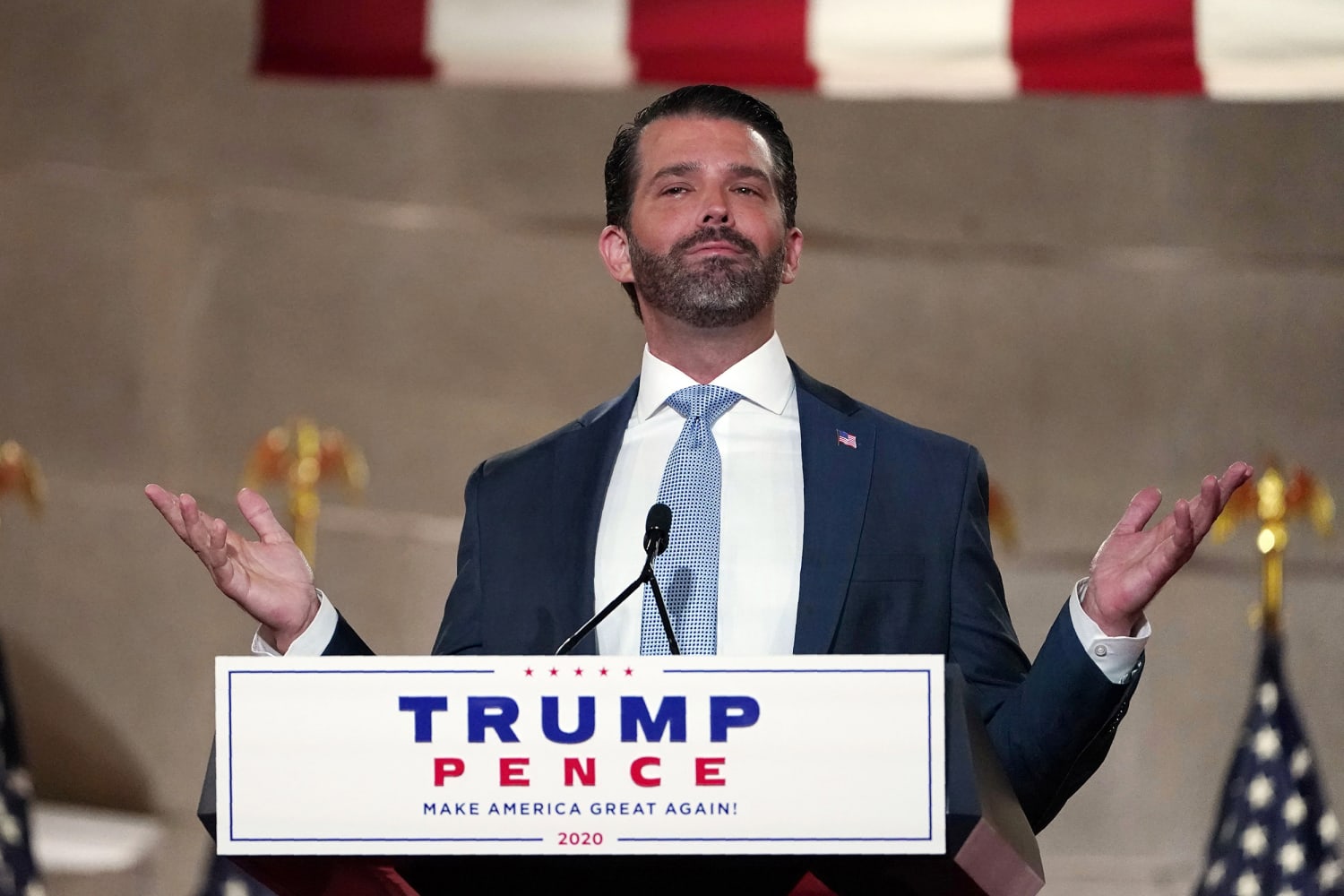
Trump Jr. has not publicly commented on the reporting. Allies privately describe the matter as a resurfacing of historical material rather than a new development, while critics argue it illustrates how Epstein’s reach extended across social and political boundaries without meaningful accountability at the time.
What remains clear is that Epstein’s legacy is not confined to court records or sealed files. It lives on through the reputational aftershocks experienced by institutions, families, and individuals who once crossed his path — knowingly or not.
As journalists continue to revisit archival material, and as political families remain under constant observation, such episodes are likely to recur. They do not necessarily reveal new wrongdoing, but they do reopen uncomfortable questions about power, proximity, and how easily prestige once shielded predation.
In that sense, the story is less about a single letter or a single family — and more about how America continues to reckon with the systems that allowed Epstein to operate in plain sight for so long.