House Rejects Latest Effort to Impeach Trump, Highlighting Deep Partisan Divide
WASHINGTON — In a stark illustration of the polarized state of American politics, the House of Representatives on Dec. 11 voted to table a resolution calling for the impeachment of President Trump, effectively shelving the latest Democratic-led effort to hold him accountable for what critics describe as inflammatory rhetoric endangering public officials.
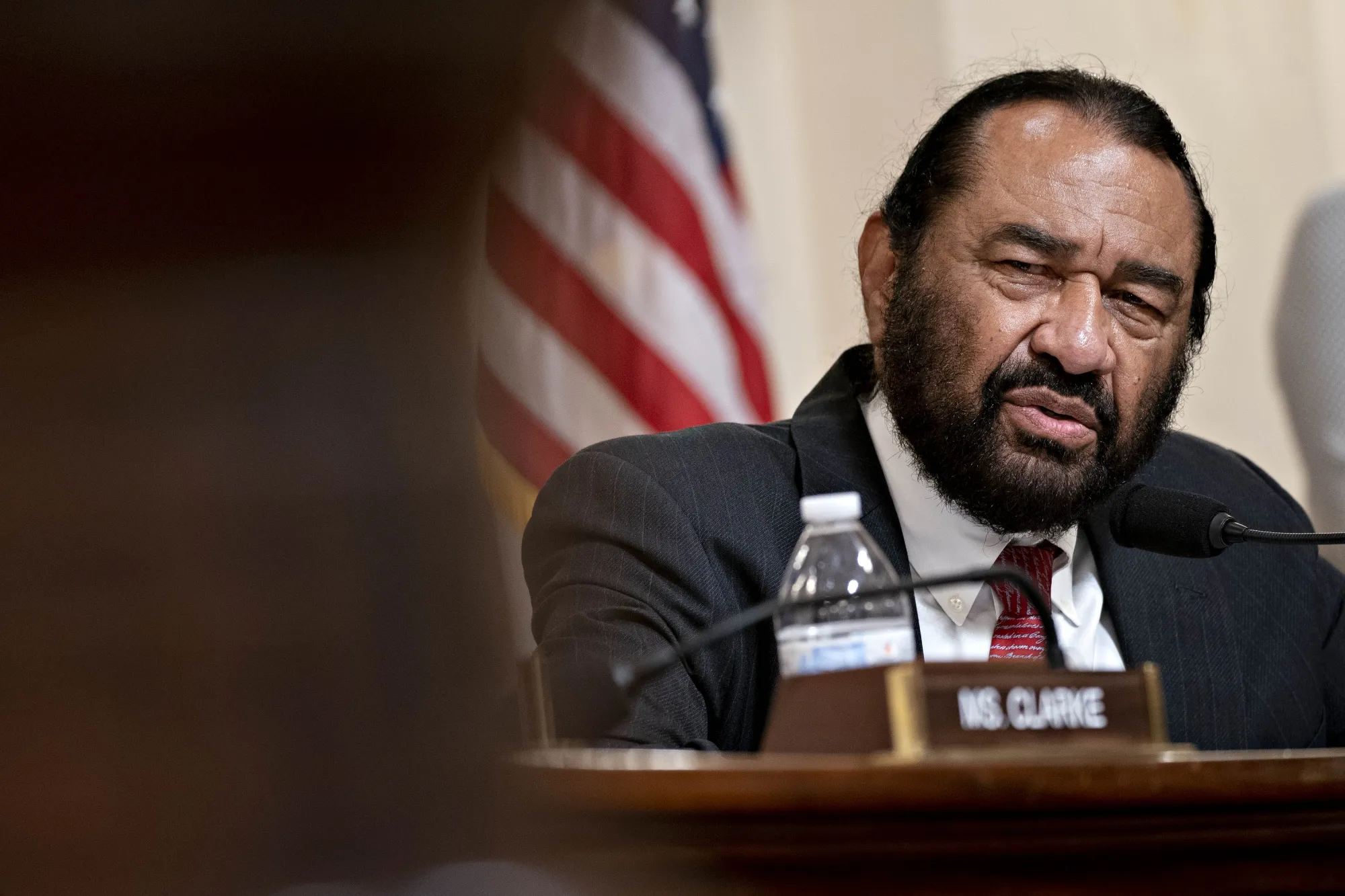
The resolution, introduced by Rep. Al Green, D-Texas, accused Mr. Trump of abusing presidential power by fostering a climate of threats against lawmakers and federal judges. It cited the president’s social media posts labeling certain Democratic statements as “seditious behavior, punishable by death,” as well as his repeated attacks on judges who have ruled against administration policies.
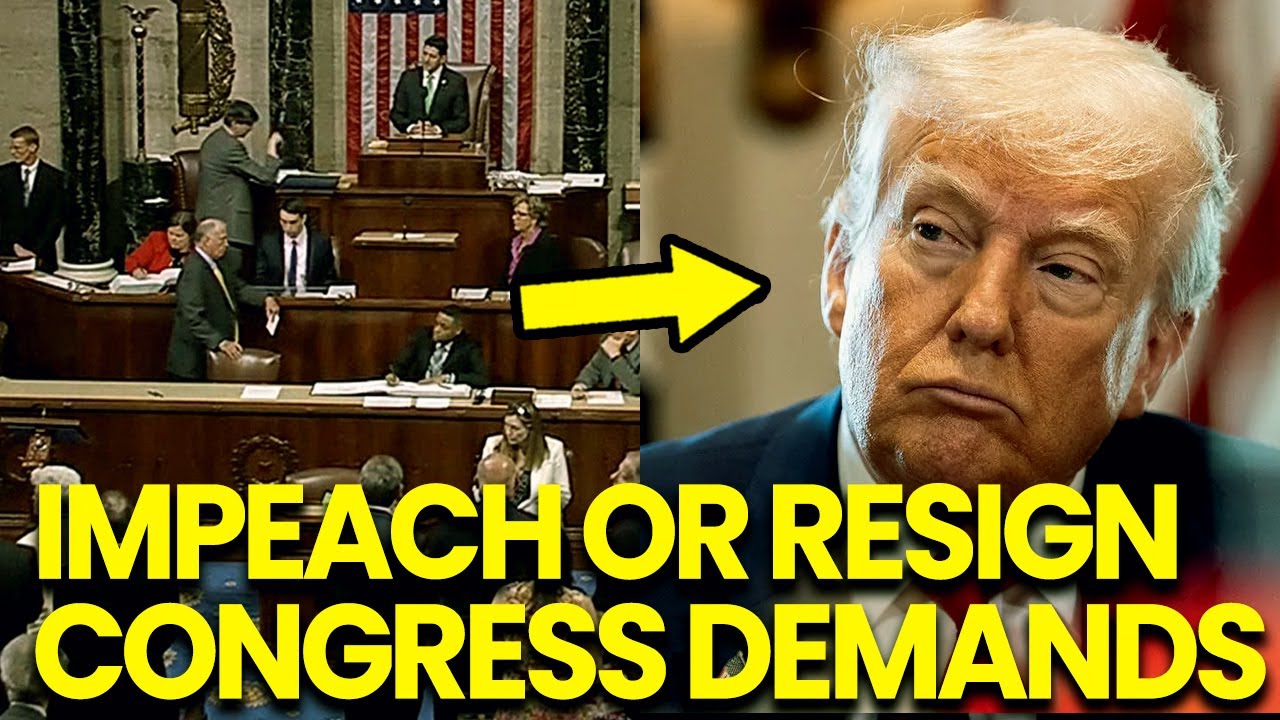
The vote to table the measure — a procedural move that kills it without debate on the merits — passed 237 to 140, with 47 members voting present. All but a handful of Republicans supported tabling, joined by 23 Democrats who voted yes and the 47 who chose “present,” including key leaders like House Minority Leader Hakeem Jeffries.
Mr. Green, who has filed multiple impeachment resolutions this year, framed the effort as a necessary response to what he called an escalating threat to democracy. “If left in office,” his resolution stated, Mr. Trump “will continue to promote violence, engender invidious hate, undermine our democracy, and dissolve our Republic.”

The 140 votes against tabling represented a notable increase in Democratic support compared with similar efforts earlier in 2025, when fewer lawmakers backed advancing impeachment proceedings. Advocacy groups like Free Speech for People hailed the vote as evidence of growing concern, noting that it included ranking committee members and reflected “reservations” about the president’s conduct.
Yet the outcome underscored the insurmountable barrier posed by Republican control of the House. GOP leaders dismissed the resolution as a partisan stunt, with some arguing that impeachment requires exhaustive investigation rather than snap votes. White House officials echoed this, calling the effort a “witch hunt” distraction from economic priorities.
The charges stem from a broader pattern of presidential rhetoric that critics say has contributed to a surge in threats against judges and lawmakers. Federal authorities have reported increased security risks for judicial officials this year, particularly after Mr. Trump’s public criticisms of rulings blocking deportation policies and other initiatives. Experts and former judges have warned that such language erodes judicial independence and endangers lives.
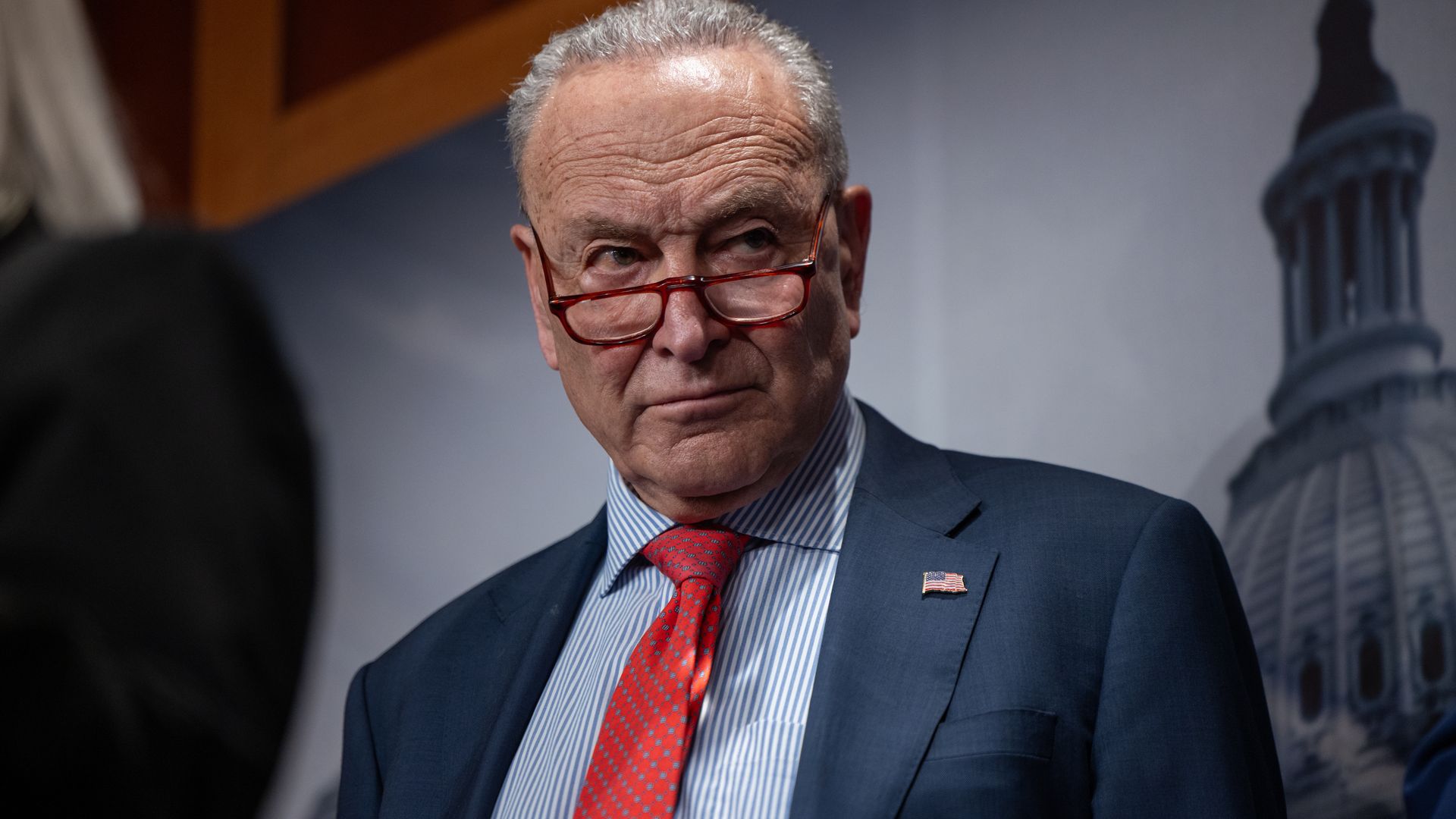
Senate Minority Leader Chuck Schumer, D-N.Y., has been vocal in condemning what he describes as Mr. Trump’s “lawless” approach to the judiciary, warning in interviews that attacks on courts risk plunging the nation into a constitutional crisis. While Mr. Schumer has not explicitly endorsed the latest House resolution, his statements align with Democratic concerns about threats to democratic norms.
This marks at least the sixth time Mr. Green has sought to impeach Mr. Trump in his second term, following unsuccessful bids tied to issues like war powers and court defiance. Previous efforts, including one in June, were similarly tabled amid Republican opposition.
The episode highlights the limits of congressional oversight in a deeply divided era. With Republicans holding slim majorities in both chambers, formal impeachment proceedings remain unlikely absent bipartisan support — a threshold unmet even during Mr. Trump’s two prior impeachments in his first term.
As the 2026 midterms approach, Democrats are increasingly framing such episodes as evidence of unchecked executive power, hoping to mobilize voters frustrated with gridlock and rising political tensions. Republicans, meanwhile, portray the moves as overreach that alienates moderates.
For now, the president’s position remains secure, but the recurring impeachment bids signal enduring unease in Congress over the tone and tenor of his leadership. In a Capitol still scarred by past divisions, the vote served as a reminder that partisan loyalty often trumps calls for accountability.