Pentagon Review of Senator Mark Kelly Escalates, Raising Questions About Military Law and Political Speech
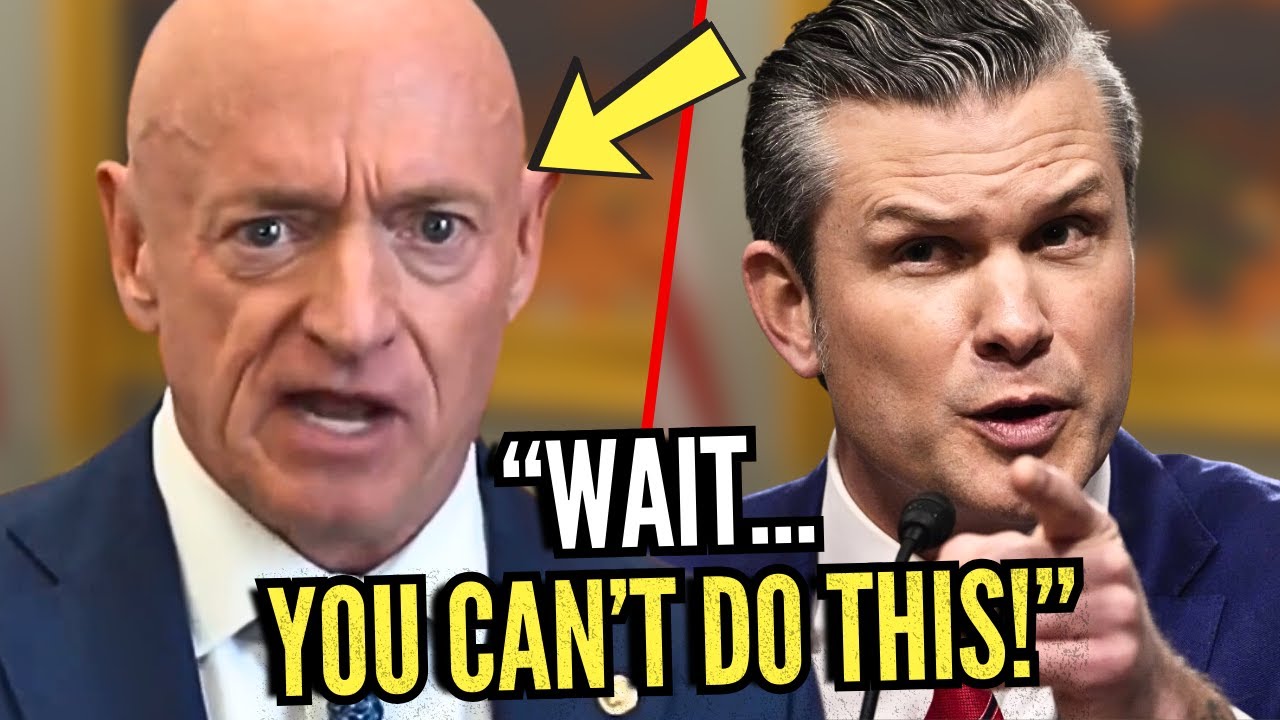
WASHINGTON — A dispute that began with a short online video has escalated into a formal Pentagon review of Senator Mark Kelly of Arizona, placing a decorated former Navy officer at the center of a fraught confrontation over military law, political speech, and the limits of dissent in an era of deep partisan division.
The Department of Defense has confirmed that an initial inquiry involving Mr. Kelly has been elevated into an official command investigation, a move that significantly raises the stakes. The review follows Mr. Kelly’s participation in a video alongside five other Democratic lawmakers in which they urged members of the military to uphold the Constitution and refuse unlawful orders. While the video stopped short of naming any specific directive, critics argue that its implications were unmistakable.
Mr. Kelly, who retired from the Navy after more than 25 years of service, now faces scrutiny not applied to his civilian colleagues. Under military law, retired officers may, in limited circumstances, remain subject to discipline, including administrative sanctions or loss of rank. Pentagon officials have emphasized that no final determination has been made and that a range of outcomes remains possible.
In a statement posted on social media, Mr. Kelly described the investigation as politically motivated, saying it was retaliation for remarks that reflect standard military training. “If they think they can stop me from doing my job and serving the American people, they’ve got the wrong guy,” he wrote, framing the inquiry as an attack on constitutional principles rather than a narrow legal review.
But administration officials and allied commentators dispute that characterization. They argue that the issue is not the abstract principle that service members must refuse manifestly unlawful orders, a well-established tenet of military law, but rather the broader context in which the message was delivered. According to that view, the video appeared against a backdrop of repeated Democratic criticism of the administration’s use of the National Guard and recent military actions involving Venezuelan vessels, creating ambiguity about which orders were being called into question.
Legal analysts note that intent and context will likely be central to the investigation. Military law draws a sharp distinction between clearly illegal orders, which must be refused, and lawful commands that may be politically controversial. Critics of Mr. Kelly contend that blurring that line risks encouraging confusion or dissent within the ranks, a concern that carries particular weight when voiced by a retired flag officer.
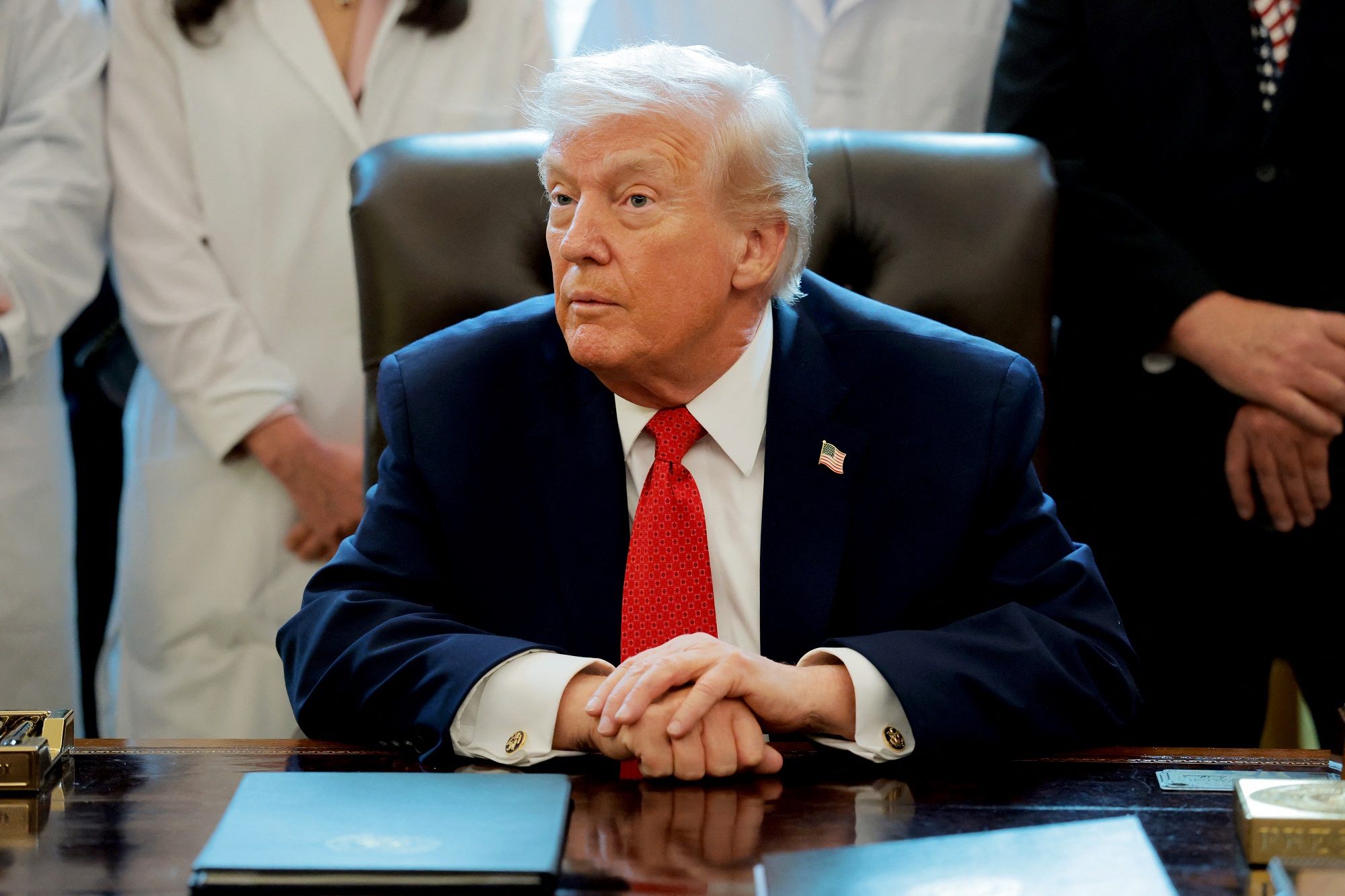
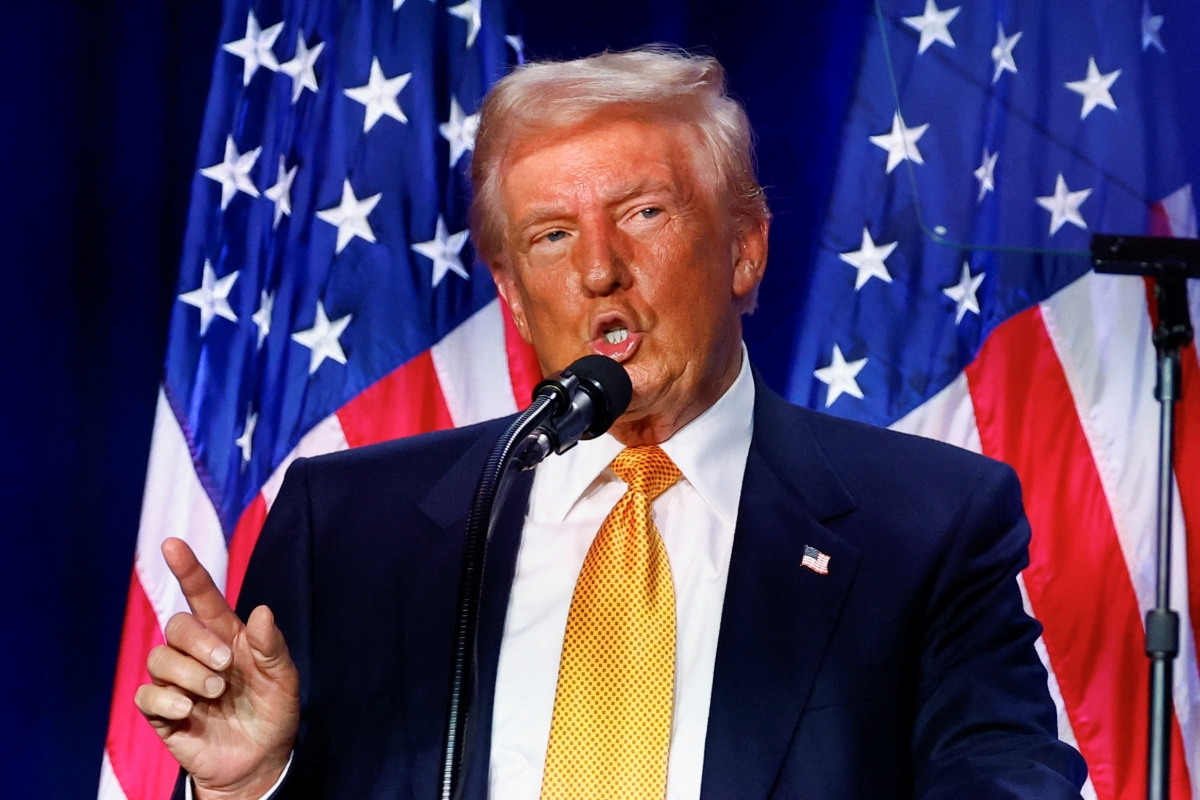
The matter has also taken on heightened political significance following comments attributed to President Trump, who posted an excerpt of federal law addressing interference with military loyalty and discipline. While the post did not explicitly call for prosecution, it underscored the administration’s view that the episode raises serious legal questions.
At the Pentagon, officials have been careful to distance the process from partisan pressure. The inquiry has reportedly been referred to the Navy, which will assess whether Mr. Kelly’s actions warrant administrative measures, a reprimand, or other sanctions. A court-martial, while legally possible in theory, is widely viewed by experts as an unlikely outcome.
Mr. Kelly, for his part, has sought to broaden the frame of the controversy, presenting it as a test case for democratic norms. In public remarks, he has linked the investigation to a broader pattern of intimidation, citing past rhetoric directed at him and warning that the use of military processes against elected officials could have a chilling effect.
Republicans counter that accountability is precisely the point. They point to recent cases involving public officials accused of obstructing federal enforcement efforts as evidence that the government is entering a new phase of enforcement. Whether that perception reflects a genuine shift or partisan interpretation remains contested.
Beyond the legal mechanics, the episode highlights a deeper tension between civilian politics and military norms. The armed forces rely on strict adherence to lawful command structures, while elected officials are expected to speak freely on matters of public concern. When those roles overlap, as they do in the case of a former officer turned senator, the boundaries can become blurred.
As the investigation proceeds, both sides are watching closely for signals about how aggressively the Pentagon will act. For Democrats, the case has become a symbol of what they describe as creeping authoritarianism. For Republicans, it is framed as a necessary defense of military order and constitutional hierarchy.
With midterm elections approaching and partisan mistrust running high, the outcome is likely to reverberate well beyond Mr. Kelly himself. What began as a brief video statement has evolved into a defining test of how far military law can extend into the political arena — and how resilient the norms governing civil-military relations remain under pressure.