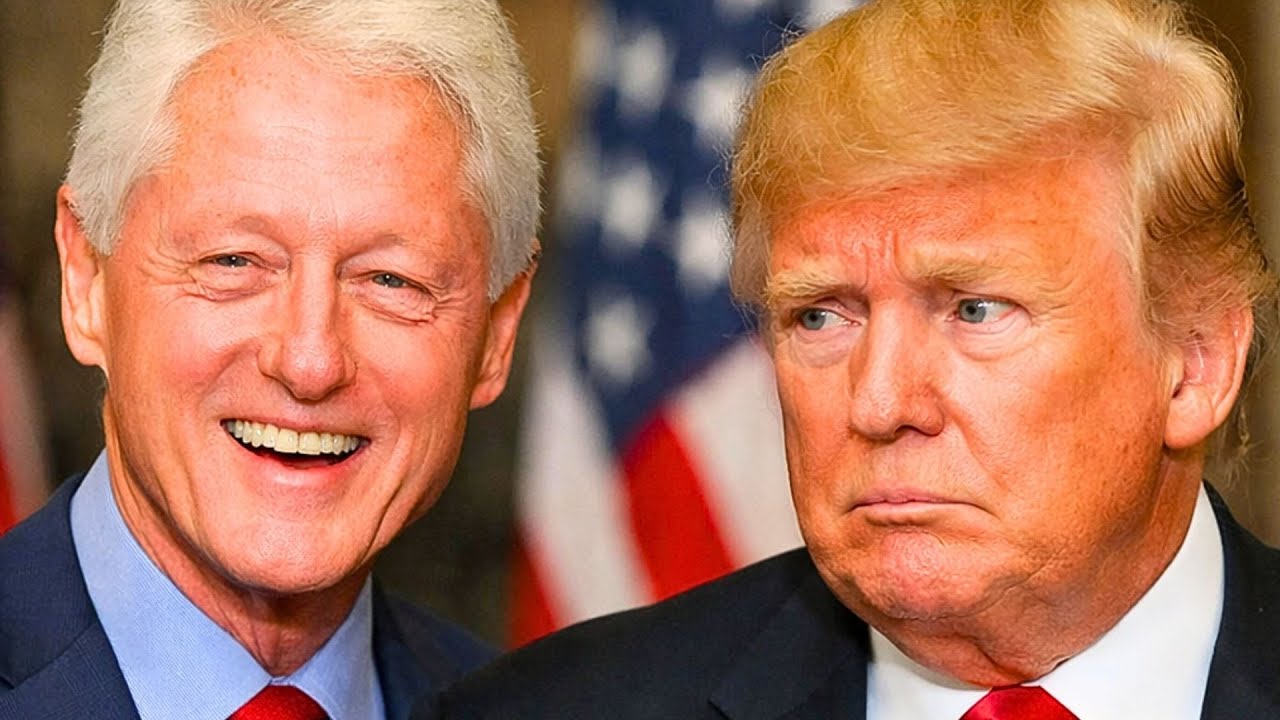
A newly surfaced tranche of documents connected to the late financier Jeffrey Epstein has reopened one of the most persistent and combustible stories in American public life, pulling former President Bill Clinton and former President Donald J. Trump back into a narrative shaped as much by implication as by evidence. Released amid ongoing legal proceedings and long-standing demands for transparency, the files have reignited debate over power, proximity, and accountability at the highest levels of society.
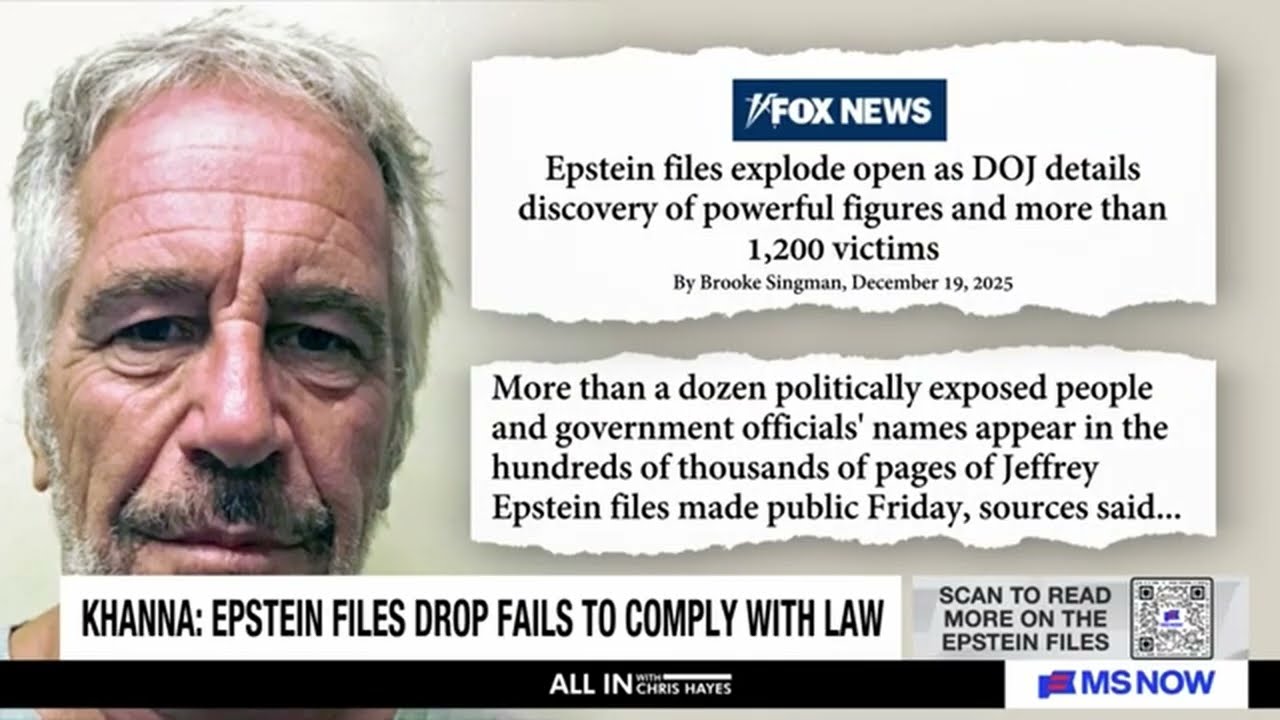
The documents, unsealed as part of civil litigation and court-ordered disclosures, do not present new criminal charges against either man. Instead, they compile references, travel logs, contact lists, and testimony that have circulated in fragments for years. What is new is their aggregation—and the renewed scrutiny that comes with names reappearing in official legal records, many passages still obscured by redactions.
Mr. Clinton has previously acknowledged encountering Epstein during the early 2000s, primarily in connection with philanthropic work linked to global health and development. Through spokespeople, he has repeatedly denied any knowledge of or involvement in Epstein’s criminal conduct. The latest files, according to people familiar with their contents, restate past interactions without alleging wrongdoing, yet their timing and presentation have intensified media attention.
For Mr. Trump, the reaction has been similarly swift. His name appears in the broader ecosystem of Epstein’s social world, though the documents do not accuse him of illegal activity. Mr. Trump has said publicly that he distanced himself from Epstein well before the financier’s legal troubles became widely known, and he has emphasized that their relationship was limited and eventually severed. In the current political climate, however, even historical associations—however tangential—can be repurposed as ammunition.
What has most fueled speculation is not what the documents explicitly say, but what they withhold. Large sections remain redacted, a standard legal practice intended to protect victims, witnesses, and ongoing investigations. Legal experts caution that redactions are not indicators of hidden guilt. Still, in the court of public opinion, the blacked-out lines have become magnets for conjecture, conspiracy theories, and partisan framing.
The resurfacing of Epstein-related material underscores how unresolved the case remains, years after his death in federal custody. Despite convictions, settlements, and extensive reporting, the full scope of his influence—and the nature of his relationships with powerful figures—continues to elude definitive explanation. Each document release adds texture but rarely closure.

Media historians note that such episodes follow a familiar arc. Initial disclosures trigger explosive headlines and social media frenzies, followed by a slower phase of contextualization that rarely travels as far or as fast. In this environment, names can become symbols, detached from the careful legal distinctions between mention, association, and proof.
The political consequences are harder to measure. For supporters of transparency, the files reinforce demands for broader disclosure and institutional reform. For critics, they illustrate how incomplete information can be weaponized, eroding trust without establishing facts. Both views coexist, often uneasily, in a media ecosystem driven by speed and spectacle.
Beyond individual reputations, the documents raise larger questions about elite networks and the porous boundaries between finance, politics, and philanthropy. Epstein cultivated access across ideological lines, leveraging wealth and social capital to move freely among influential circles. That reality complicates attempts to assign simple narratives of blame or innocence.

As courts continue to weigh what can and cannot be released, additional disclosures remain possible. Each has the potential to reshape the conversation—not necessarily by revealing new misconduct, but by reframing what is already known. For now, the principals involved deny any wrongdoing, and no court has found evidence implicating them in Epstein’s crimes.
The enduring lesson may be less about any single figure than about how modern scandals persist. In an age of partial transparency, where documents emerge incrementally and interpretation often outruns verification, public understanding is shaped as much by absence as by fact. The Epstein files, once again, demonstrate how history, politics, and secrecy can converge—leaving a nation to debate not only what is true, but how truth itself is constructed.