Canada Weighs F-35 Pause Amid U.S. Pressure, Eyes Swedish Gripen as Sovereignty Test
OTTAWA — In a move that has escalated tensions with Washington, Prime Minister Mark Carney’s government is considering pausing Canada’s commitment to purchase 16 F-35 fighter jets from Lockheed Martin, exploring alternatives from Sweden’s Saab amid concerns over long-term sovereignty and U.S. leverage.
The deliberation follows pointed remarks from U.S. Ambassador Pete Hoekstra at the Munich Security Conference, where he warned that Canada’s choice of fighter aircraft could affect future trade agreements. “If Canada does not purchase the F-35, it should not expect any trade agreements with the United States,” Mr. Hoekstra said, framing the issue as integral to alliance cohesion.
Canadian officials described the comments as “diplomatic coercion,” underscoring a broader unease with the F-35 program’s structure. Ottawa has already signed for an initial batch, but Mr. Carney has signaled openness to reevaluating the deal, citing evolving strategic needs and industrial benefits offered by Saab’s Gripen E.
Saab’s proposal, presented during a visit by Sweden’s king and queen alongside company executives, includes technology transfers, a Canadian assembly plant, and up to 10,000 domestic jobs. Unlike the F-35, Gripen offers full source code access and independent sustainment, allowing Canada to modify and maintain aircraft without foreign approval.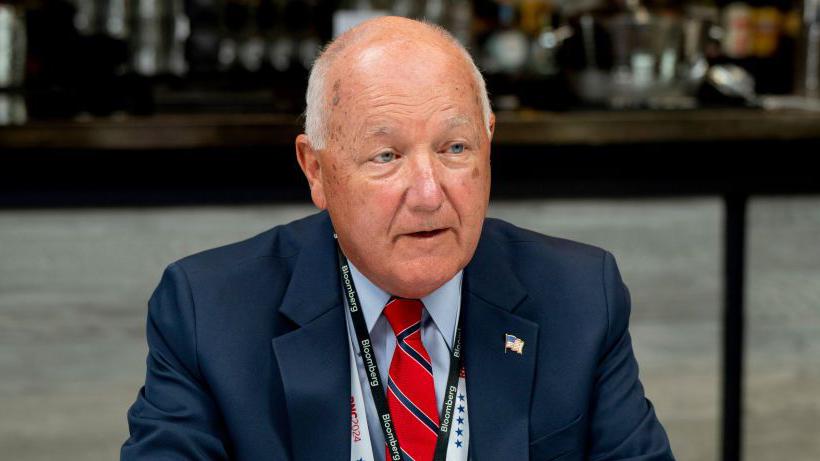
Defense analysts note the F-35’s strengths in stealth and integration but highlight drawbacks: high lifecycle costs exceeding $50 billion for 88 jets over 30 years, per Canada’s auditor general, and operational readiness rates often below targets, as acknowledged in U.S. Senate hearings. Maintenance relies on the U.S.-controlled ALIS system, raising risks of delays or restrictions.
A precedent cited by critics is Denmark’s experience last year, when the U.S. reallocated F-35 components to Israel without consultation, overriding Copenhagen’s foreign policy preferences. Retired Lt. Gen. André Deschamps, once a strong F-35 advocate, now urges cancellation, warning of “conditional sovereignty” under U.S. control.
Gripen, designed for dispersed Arctic operations with short takeoffs and rapid repairs, aligns with Canada’s northern defense priorities amid Russia’s buildup. Its lower flight-hour costs — around $8,000 versus F-35’s $35,000-$47,000 — and NATO interoperability make it viable without ecosystem lock-in.
The debate transcends hardware, touching federalism and alliance dynamics. Washington’s pressure, including threats of lost trade deals, contrasts with Sweden’s partnership model emphasizing autonomy. For Canada, the choice weighs short-term alliance harmony against long-term industrial and operational independence.
Mr. Carney has emphasized selecting the “best option for Canada,” not external interests. With Arctic security intensifying and U.S. politics volatile under President Trump — who has mused about Canada as a “51st state” — Ottawa’s pause reflects a recalibration of risks.
As deliberations continue, the decision could set precedent for midsize allies balancing NATO commitments with national control, signaling that interoperability need not mean submission in an era of software-defined warfare.