FEDERAL JUDGE DELIVERS CRUSHING BLOW TO TRUMP: Halts National Guard Deployment in LA, Rules No Evidence of Federal Law Obstruction – Major Immigration Setback!
On December 10, 2025, U.S. District Judge Charles Breyer issued a scathing ruling against the Trump administration, ordering an immediate halt to the federal deployment of National Guard troops in Los Angeles and returning control to California state authorities. The judge found no evidence that federal laws were being obstructed, rejecting the Justice Department’s claims and calling the move a pretext for suppressing peaceful protests against ICE raids.
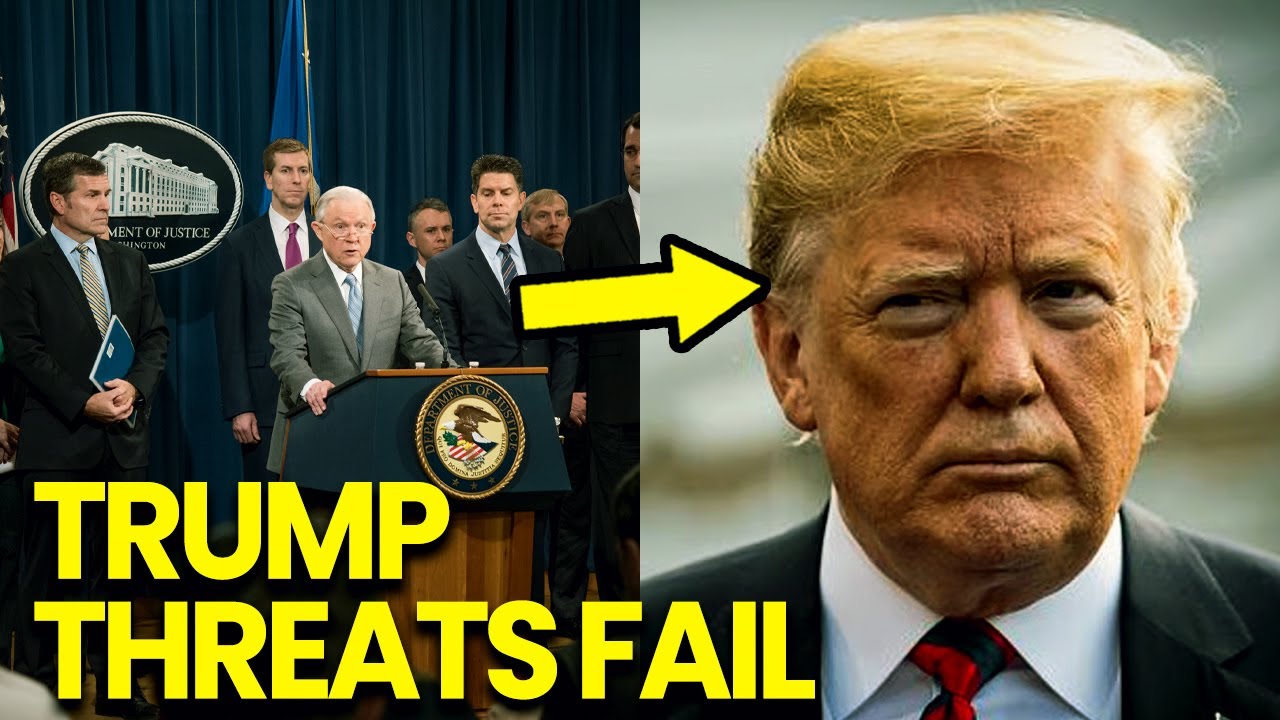
Breyer’s 45-page order dismantled the administration’s arguments, stating it is “profoundly un-American” to deploy military forces against citizens exercising their First Amendment rights. He dismissed the DOJ’s assertion that courts cannot review redeployments if the initial action was lawful, emphasizing that peaceful dissent does not constitute an emergency justifying federalization under Section 12406 of the U.S. Code.
Trump responded with fury on Truth Social, labeling the ruling “Democrat sabotage” orchestrated by California Governor Gavin Newsom and threatening to override it by deploying more forces. White House spokesperson Abigail Jackson echoed this, calling it a “temporary setback” and announcing an appeal, while framing it as judicial interference in border security.
The ruling represents a major constitutional check on presidential power, affirming that governors retain control over state National Guard units unless a genuine emergency exists. Legal experts note this limits Trump’s aggressive immigration strategy, which has relied on militarizing enforcement in sanctuary cities like Los Angeles amid protests.
With a compliance deadline of noon on December 15, the administration faces a dilemma: withdraw troops or risk contempt charges, potentially sparking a constitutional crisis. Similar challenges in Chicago and Portland suggest broader judicial resistance to Trump’s use of federalized forces for policy goals.
Civil liberties advocates hailed the decision as a victory for free speech, protecting the right to protest without military intimidation. Breyer’s emphasis on First Amendment principles resonates across ideologies, underscoring that opposition to government policies cannot justify armed suppression.
Historically, presidents have federalized Guard troops for true emergencies, like Eisenhower in Little Rock for desegregation. Trump’s approach – using them against political dissent – echoes controversial past uses but lacks justification, per Breyer, setting a precedent for future administrations.
As appeals loom in the Ninth Circuit and possibly the Supreme Court, Trump’s attacks on “partisan judges” erode judicial legitimacy. The ruling highlights ongoing tensions in his second term, where executive overreach meets increasing court pushback – a test for America’s rule of law amid immigration battles.