Canada’s decision to step away from the F-35 program and move toward Sweden’s Gripen E fighter jet marks one of the most consequential defense pivots in modern Canadian history. Far from a routine procurement adjustment, the move represents a deliberate reassessment of sovereignty, industrial control, and long-term strategic independence at a moment when global alliances are under unprecedented strain.
For decades, Canada’s air power strategy followed a predictable path. Alignment with the United States ensured interoperability, access to advanced platforms, and political safety within NATO and NORAD. The F-35 became the symbol of that approach: a fifth-generation aircraft designed to anchor Western air forces through shared software, fused data, and centralized command architecture. On the surface, departing from that ecosystem appears disruptive. Beneath it, Ottawa saw a growing vulnerability.
Modern air power is no longer defined by engines and airframes alone. It is governed by software ownership, encrypted diagnostics, update permissions, and algorithmic control. In the F-35 model, those elements remain firmly under U.S. oversight. Participating nations operate the aircraft, but they do not fully control the systems that determine how it fights, communicates, or evolves. Over time, that structure limits operational independence, especially for countries with unique geographic and strategic demands.
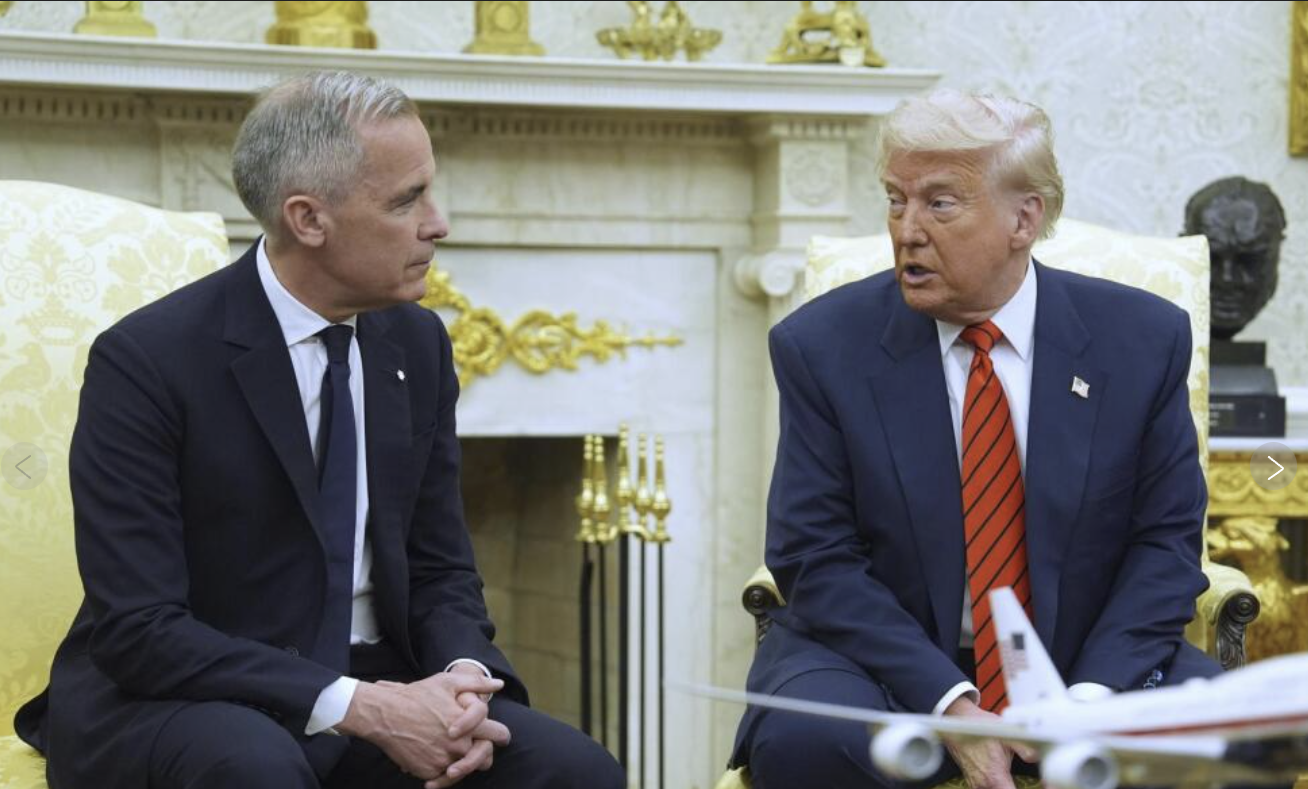
Canada’s geography was central to the reassessment. The Arctic is not a theoretical theater. It is vast, remote, extreme, and increasingly contested. Effective defense requires aircraft that can operate from short, austere runways, withstand brutal cold, and disperse rapidly across wide territories. The Gripen E was designed precisely for those conditions. Its ability to launch from short roadways, operate with minimal ground infrastructure, and return quickly to service aligns with Canada’s real operational environment rather than abstract coalition doctrine.
The Gripen decision also reshapes Canada’s industrial position. Unlike previous defense procurements that exported economic value abroad, the Swedish proposal centers on domestic assembly, maintenance, software access, and long-term sustainment within Canada. Thousands of high-skill jobs are tied to manufacturing, research, avionics development, and systems integration. Canadian firms become contributors, not subcontractors. Universities gain access to advanced defense research pipelines. Defense spending circulates through the national economy instead of draining outward.
This shift carries implications beyond employment. Maintenance autonomy dramatically alters readiness. When aircraft software and diagnostics are externally controlled, repairs and updates depend on permissions, schedules, and foreign priorities. With Gripen, Canadian crews retain authority to diagnose, modify, and restore aircraft independently. That control shortens downtime, improves sortie generation, and ensures that sensitive missions remain under national command.
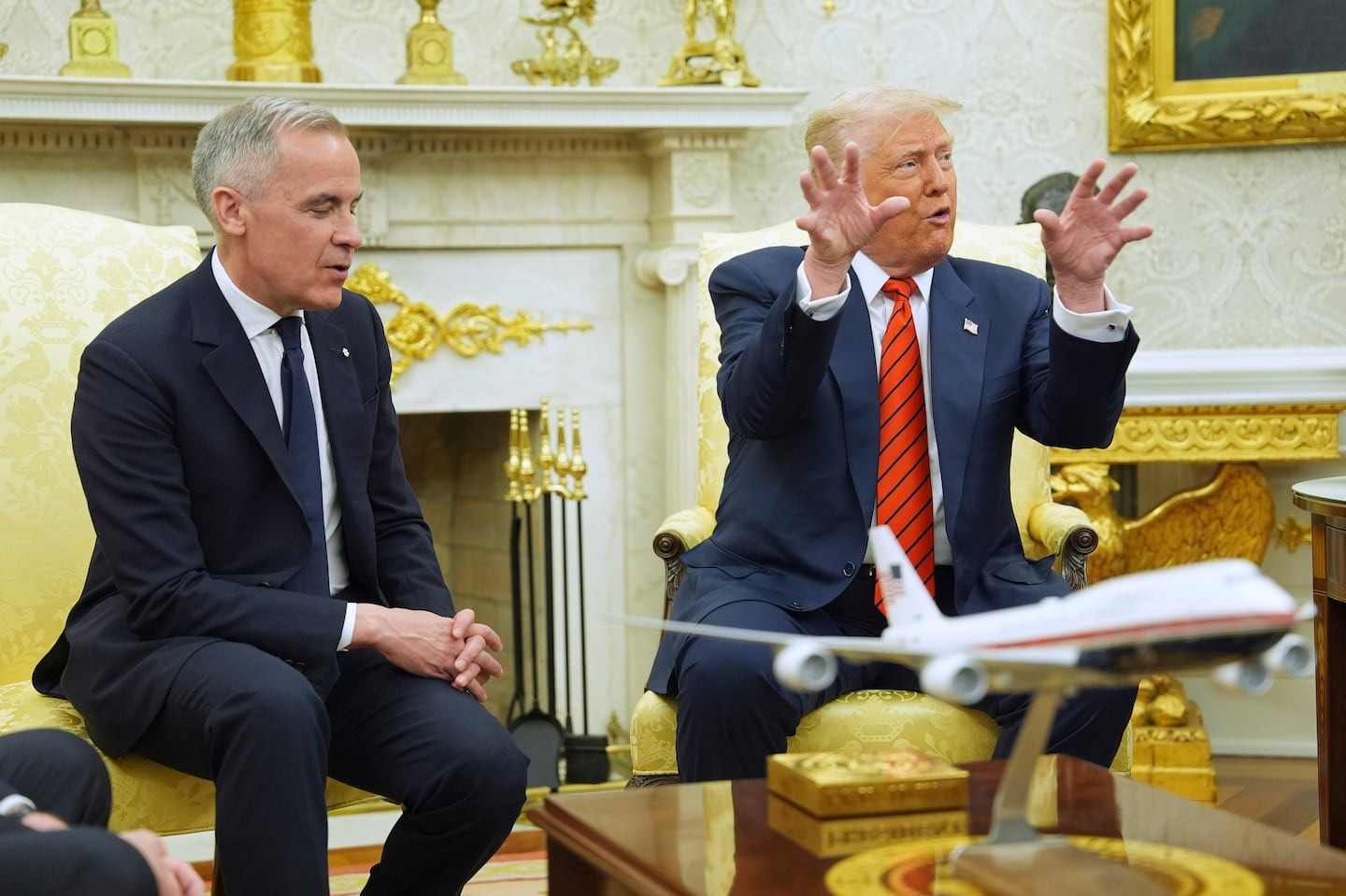
Washington’s reaction, while largely diplomatic, reflected unease. The concern was not a single contract, but the precedent it set. If a core ally could step away from the F-35 ecosystem, others might reconsider long-standing assumptions about dependency and alliance economics. Quiet discussions followed in NATO capitals, where questions about lifecycle costs, data sovereignty, and industrial participation are already intensifying.
Critics raised interoperability concerns, but defense analysts noted that NATO cohesion is defined by doctrine, coordination, and shared standards — not identical equipment. The Gripen integrates with NATO data links, weapons systems, and communications protocols. In fact, diversification may reduce systemic risk by avoiding overreliance on a single platform across multiple air forces.

The decision also aligns with broader global trends. Mid-sized powers are increasingly prioritizing strategic autonomy, domestic capability, and supply-chain resilience. Defense procurement is no longer just about battlefield performance; it is about control over national destiny in a world where political relationships can shift overnight.
Canada’s move does not signal withdrawal from alliances. It signals maturity within them. By asserting control over its air power future, Ottawa repositions itself as an equal strategic actor rather than a dependent consumer. Arctic defense becomes self-directed. Upgrades occur on national timelines. Skilled labor builds long-term capacity at home.
In breaking silence with the Gripen decision, Canada has quietly rewritten the rules of air power for itself — and forced allies to confront uncomfortable questions about sovereignty, control, and what security truly means in the digital age.