A political storm has converged around T.R.U.M.P, producing what many observers describe as a rare moment when multiple lines of pressure collided at once. From Capitol Hill to economic data disputes and renewed scrutiny of past associations, the sequence of events has fueled a narrative of control slipping simultaneously across politics, credibility, and public trust. Rather than a single controversy, the episode reflects a broader pattern of fragmentation that has left allies unsettled and opponents emboldened.
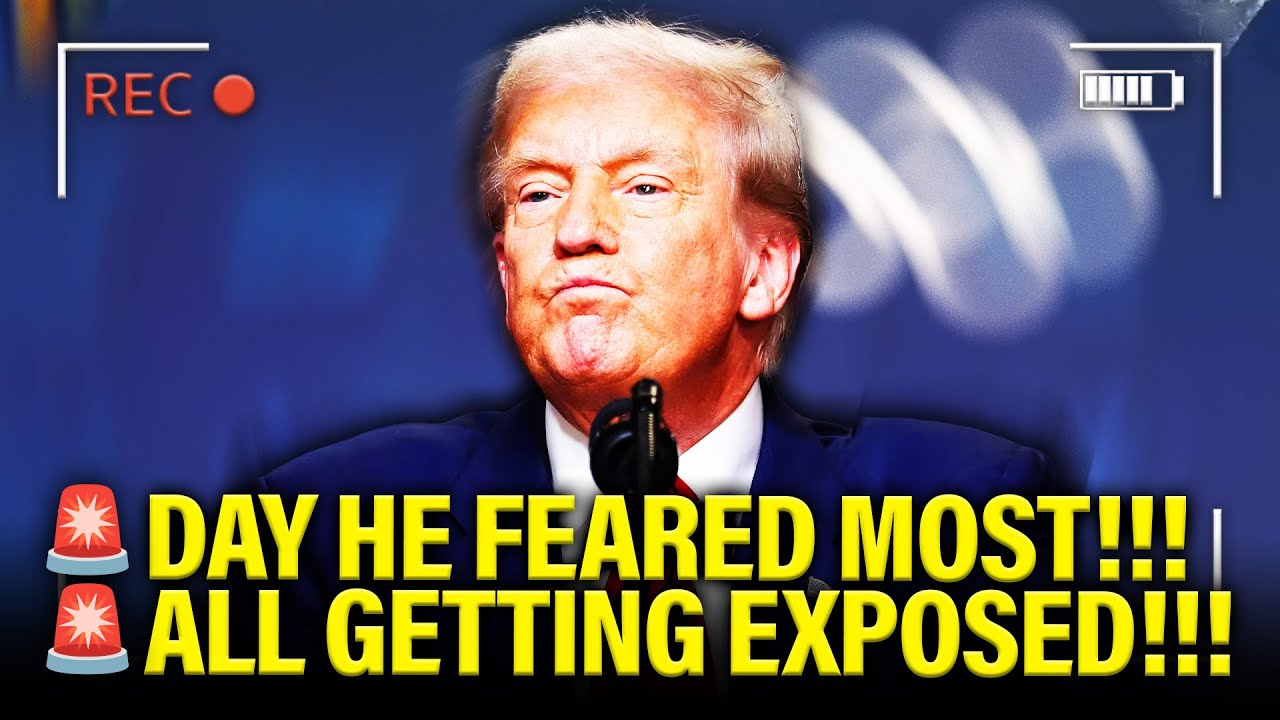
The most immediate rupture emerged in Congress, where Republican lawmakers from swing districts openly defied party leadership on healthcare. By backing a procedural effort to force a vote on extending Affordable Care Act subsidies, they broke with Speaker Mike Johnson and, by extension, with T.R.U.M.P’s broader agenda. The move was widely interpreted as a sign that electoral survival is beginning to outweigh party discipline. With millions of Americans facing the prospect of sharply higher insurance premiums if subsidies expire, healthcare has become a political fault line that even loyalists are increasingly unwilling to cross.
At the same time, disputes over economic messaging intensified. Analysts and critics challenged claims suggesting inflation pressures—particularly in housing and rent—had effectively vanished. Economists pointed to methodological questions and temporary assumptions in government data collection that may have distorted headline numbers. While such technical adjustments are not unprecedented, the optics proved damaging in an environment already marked by public skepticism over cost-of-living claims. The result was a renewed debate over whether economic narratives were being shaped more for political impact than for accuracy.
Adding to the turbulence, a high-profile media investigation revived attention on T.R.U.M.P’s social ties in the 1990s, including a relationship with Jeffrey Epstein that T.R.U.M.P has long sought to downplay. The report, based on interviews and contemporaneous accounts, portrayed a closer association than previously acknowledged. While no new criminal allegations were made against T.R.U.M.P, the timing reignited public discomfort just as additional Epstein-related materials were expected to surface through legal and congressional channels. The resurfacing of these ties injected reputational risk into an already volatile moment.

Behind the scenes, insiders describe a growing sense of alarm among political operatives as narratives began reinforcing one another. Congressional rebellion fed questions about leadership authority, economic data disputes undermined credibility, and renewed scrutiny of past associations clouded messaging discipline. Individually, each issue might have been manageable. Together, they formed a feedback loop that proved harder to contain, particularly in a media environment driven by rapid amplification and constant comparison.
The healthcare dispute, in particular, exposed a strategic dilemma. For years, T.R.U.M.P criticized the Affordable Care Act while promising a superior replacement. Yet no consensus alternative has ever secured sufficient support in Congress. As subsidy expiration approaches, Republicans now face a stark choice: allow premiums to surge and risk voter backlash, or preserve a system they have long condemned. The decision by some GOP members to side with Democrats suggests that pragmatism is beginning to override ideological positioning.
Economic credibility has also become central to the broader narrative. With housing affordability and healthcare costs dominating voter concerns, any perception of data manipulation or selective presentation carries heightened risk. Critics argue that even the appearance of massaging numbers erodes trust, particularly when households feel disconnected from official optimism. Supporters counter that economic data is complex and often misunderstood. Regardless, the controversy underscores how fragile confidence has become.
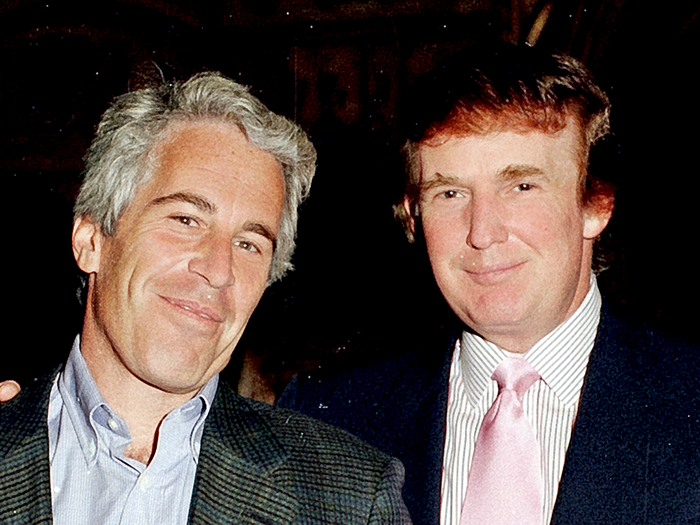
The resurfacing of Epstein-related reporting added an emotional dimension that policy debates alone rarely achieve. For many readers, the issue was not legality but judgment and character. The renewed focus illustrated how unresolved questions from the past can reemerge at moments of political vulnerability, reshaping public conversation even without new allegations.
Taken together, the episode illustrates a broader challenge confronting T.R.U.M.P: maintaining cohesion across a coalition facing divergent pressures. Swing-district lawmakers, economic analysts, media investigators, and online audiences are no longer operating on separate tracks. Their reactions now intersect in real time, accelerating political fallout. What has emerged is not merely a bad news cycle, but a snapshot of a power structure under strain—one where authority, narrative control, and credibility are all being tested at once.