Canada’s Fighter-Jet Debate Becomes a Diplomatic Test as U.S. Pressure Is Scrutinized
Ottawa — What began as a technical review of Canada’s fighter-jet procurement has evolved into a sensitive diplomatic moment, after remarks attributed to the U.S. ambassador to Canada, David Hoekstra, sparked debate over alliance norms, trade leverage and national sovereignty.
At the center of the controversy is Canada’s ongoing deliberation over its next-generation fighter aircraft, a decision with implications that extend well beyond defense procurement. While Ottawa has emphasized that no final determination has been announced, comments linked to Ambassador Hoekstra were interpreted by critics as signaling that a decision against the American-made F-35 could carry broader economic consequences.
Neither the U.S. Embassy nor Canadian officials have confirmed that any formal ultimatum was issued. Still, the perception of pressure proved enough to ignite reaction in political and defense circles on both sides of the border, illustrating how procurement choices can quickly acquire geopolitical meaning.

Canada has long faced pressure to replace its aging fighter fleet, and the F-35 has been widely viewed as the default option within NATO, given its interoperability and adoption by multiple allied air forces. At the same time, successive Canadian governments have sought to balance alliance expectations with concerns about cost, industrial benefits and operational requirements, particularly in the Arctic.
The latest episode brought those tensions into sharper focus. Critics of the perceived U.S. message argued that framing a procurement decision as a test of loyalty undermines the spirit of partnership within NATO. “Alliances are built on consultation, not coercion,” said a former Canadian diplomat familiar with defense negotiations.
Supporters of closer alignment countered that interoperability is not a trivial matter. They warned that diverging from widely used platforms could complicate joint operations and weaken collective defense at a moment of heightened security concerns, particularly following Russia’s invasion of Ukraine.
Behind closed doors, officials described a flurry of discussions. According to people familiar with the talks, Canadian and American counterparts exchanged views on supply chains, defense industrial cooperation and the potential ripple effects of procurement choices. The conversations were described as urgent but measured, reflecting the high stakes involved.
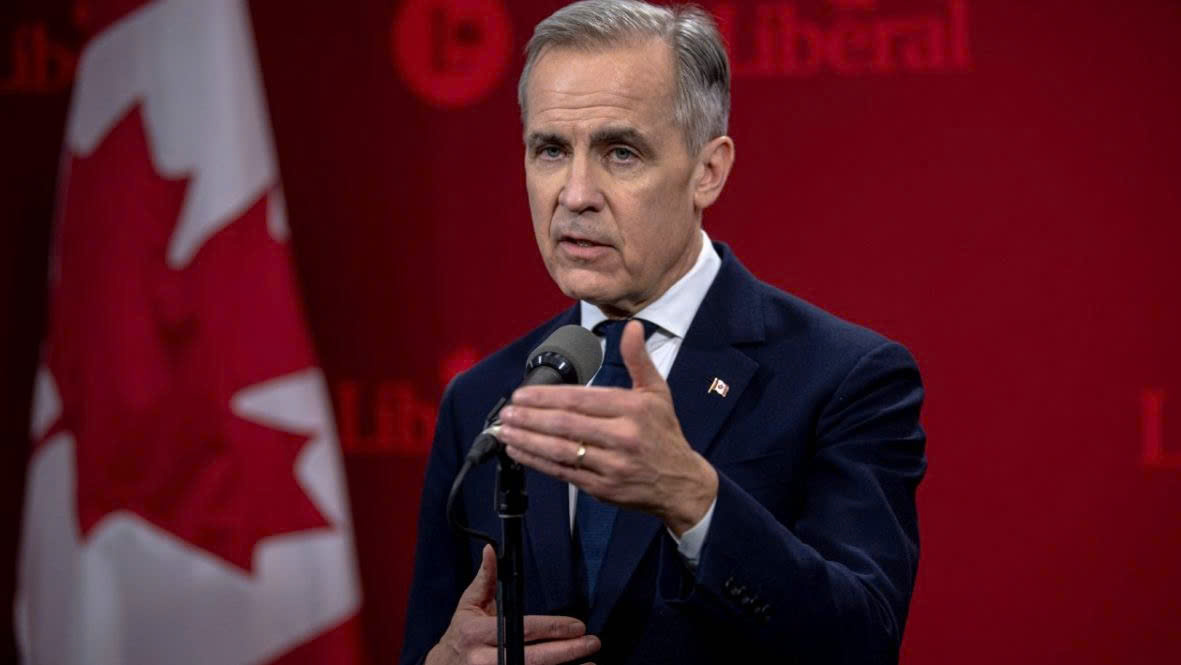
Publicly, Canadian officials have sought to keep the temperature down. They reiterated that procurement decisions remain sovereign and are guided by military requirements, value for money and long-term sustainability. They also emphasized Canada’s continued commitment to NATO missions, including air policing and collective defense.
NATO officials declined to comment on a specific national procurement debate, underscoring that alliance members retain autonomy over defense acquisitions. Privately, some alliance watchers expressed concern about optics. Even the suggestion that trade tools could be linked to defense purchases risks reinforcing narratives of imbalance within alliances, they said.
“This is where perception matters as much as policy,” said a defense analyst at the University of Ottawa. “Once procurement is framed as coercion, it changes how the decision is understood domestically.”
The controversy also highlights broader shifts within NATO. Several European members have debated similar questions, weighing U.S.-made systems against alternatives as they pursue greater strategic autonomy. Those debates have occasionally generated friction, though they have rarely escalated into public diplomatic disputes.

For Washington, maintaining interoperability and industrial scale has become increasingly important as defense production ramps up. For Ottawa, demonstrating independence while remaining a reliable ally is a delicate balancing act.
Online, the reaction amplified the stakes. Commentators framed the episode as either evidence of American overreach or as a necessary reminder of alliance realities. Hashtags trended, and speculative takes proliferated, often outrunning confirmed information.
Markets and industry watchers also paid attention. Defense contractors and suppliers monitored signals closely, aware that procurement decisions can reshape industrial ecosystems for decades. Even tentative signals can influence negotiations and pricing.
Historically, Canada–U.S. defense relations have weathered disputes before. From missile defense to procurement delays, moments of tension have tended to resolve through negotiation rather than rupture. Observers cautioned against assuming the current episode marks a fundamental break.
“Defense procurement is slow, political and messy,” said a former NATO official. “It often looks dramatic in the middle, but outcomes usually reflect compromise.”

What happens next will depend on clarification. Canadian officials are expected to outline next steps in the review process, while U.S. diplomats may seek to recalibrate messaging to avoid further escalation. Both sides have strong incentives to contain the dispute, given the depth of their economic and security ties.
For now, the episode stands as a reminder of how quickly technical decisions can become symbols. In an era of heightened insecurity, even the hint of pressure can trigger debates about sovereignty and alliance norms.
Whether Canada ultimately chooses the F-35 or another option, the broader question may be how NATO manages diversity within unity. Procurement choices will continue to test that balance, especially as members assert national priorities more openly.
As Ottawa weighs its options, allies are watching — not just for the decision itself, but for what it signals about how partnerships function under strain. In that sense, the fighter-jet debate has already become more than a question of aircraft. It has become a measure of trust, communication and the evolving meaning of alliance in a changing world.