Washington — When former President Donald J. Trump renewed calls for aggressive trade measures against Canada’s oil sector, the message was framed as familiar economic pressure: use tariffs to force concessions from a close trading partner. But the reaction that followed exposed a less visible reality of North American energy markets — one in which leverage runs in both directions.
The proposal, floated during a public appearance and amplified by allies, targeted Canadian crude exports to the United States. The logic was straightforward: Canada depends heavily on access to the U.S. market, and higher barriers would compel compliance. What complicated the picture was how quickly analysts and traders pointed out the degree to which American energy infrastructure depends on Canadian supply.
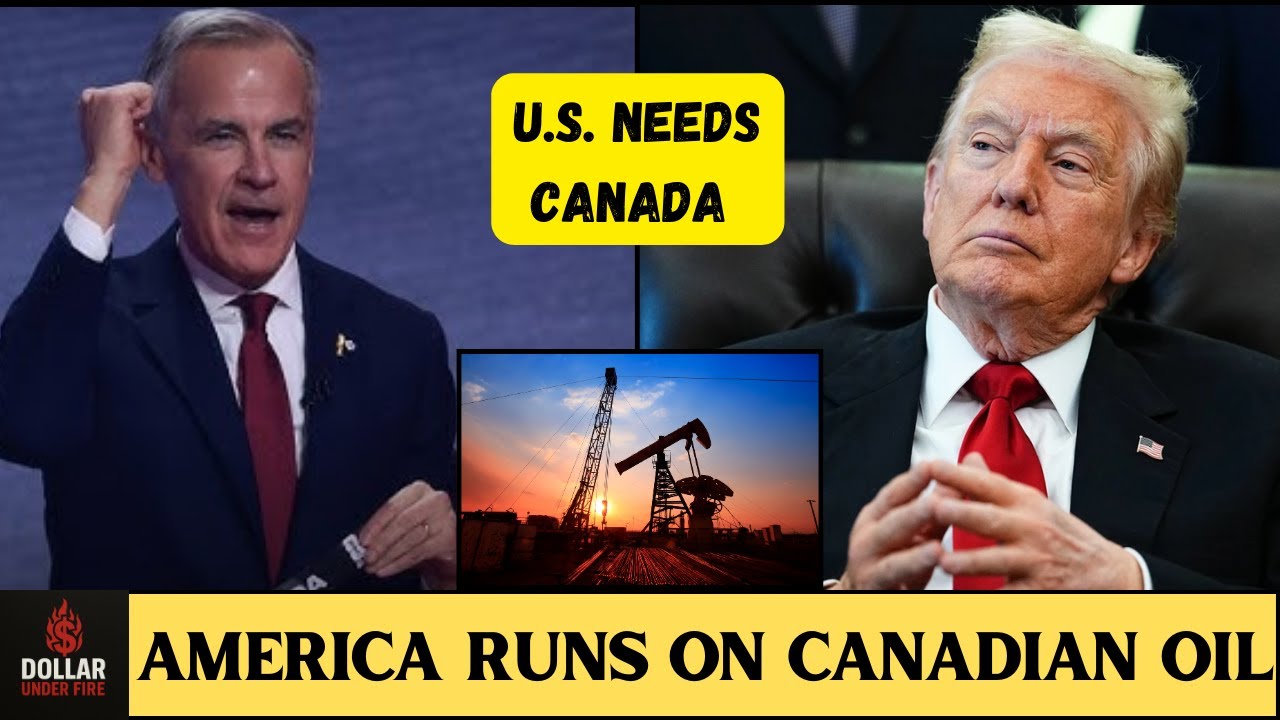
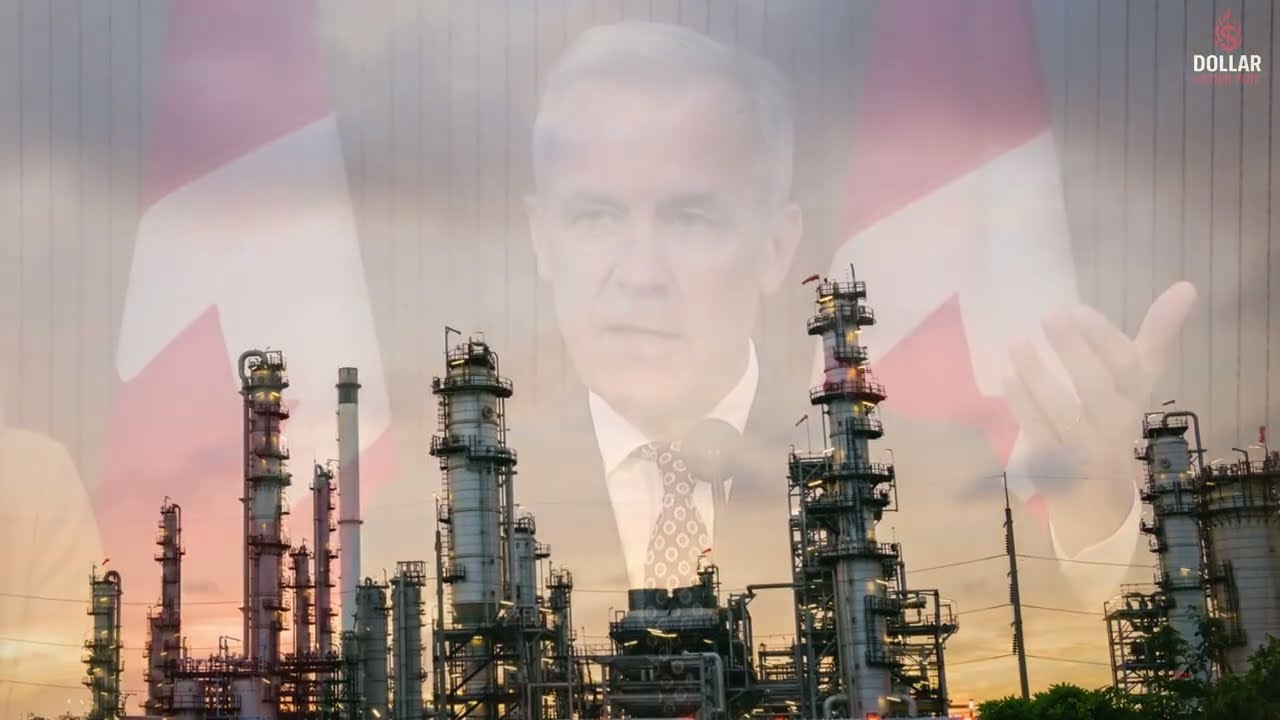
Canada is the largest foreign supplier of oil to the United States, providing roughly 60 percent of U.S. crude imports. Much of that oil flows directly to refineries in the Midwest and Gulf Coast that are specifically configured to process heavy Canadian crude. Substituting that supply is neither quick nor cheap.
As markets absorbed the implications, energy desks began modeling potential outcomes. Any sustained disruption to Canadian imports, analysts warned, could tighten supplies for certain refineries, raise costs and, ultimately, push prices higher for consumers. Those concerns surfaced rapidly in industry briefings and investor notes, turning what began as political rhetoric into a tangible economic question.
“This isn’t a theoretical dependency,” said an energy economist at the University of Calgary. “It’s baked into pipelines, refinery design and long-term contracts.”
The reaction in Canada was notably restrained. Officials did not respond with immediate threats or countermeasures, instead emphasizing the integrated nature of the energy relationship. Privately, Canadian policymakers have long viewed energy as a source of quiet leverage rather than a blunt instrument, given how closely the two economies are tied.
In the United States, the prospect of higher fuel costs quickly sharpened attention. Refiners in the Midwest warned that tariffs could ripple through supply chains, particularly in regions where alternative crude sources are limited. Inflation-sensitive sectors watched closely, mindful that energy prices often feed into broader economic indicators.
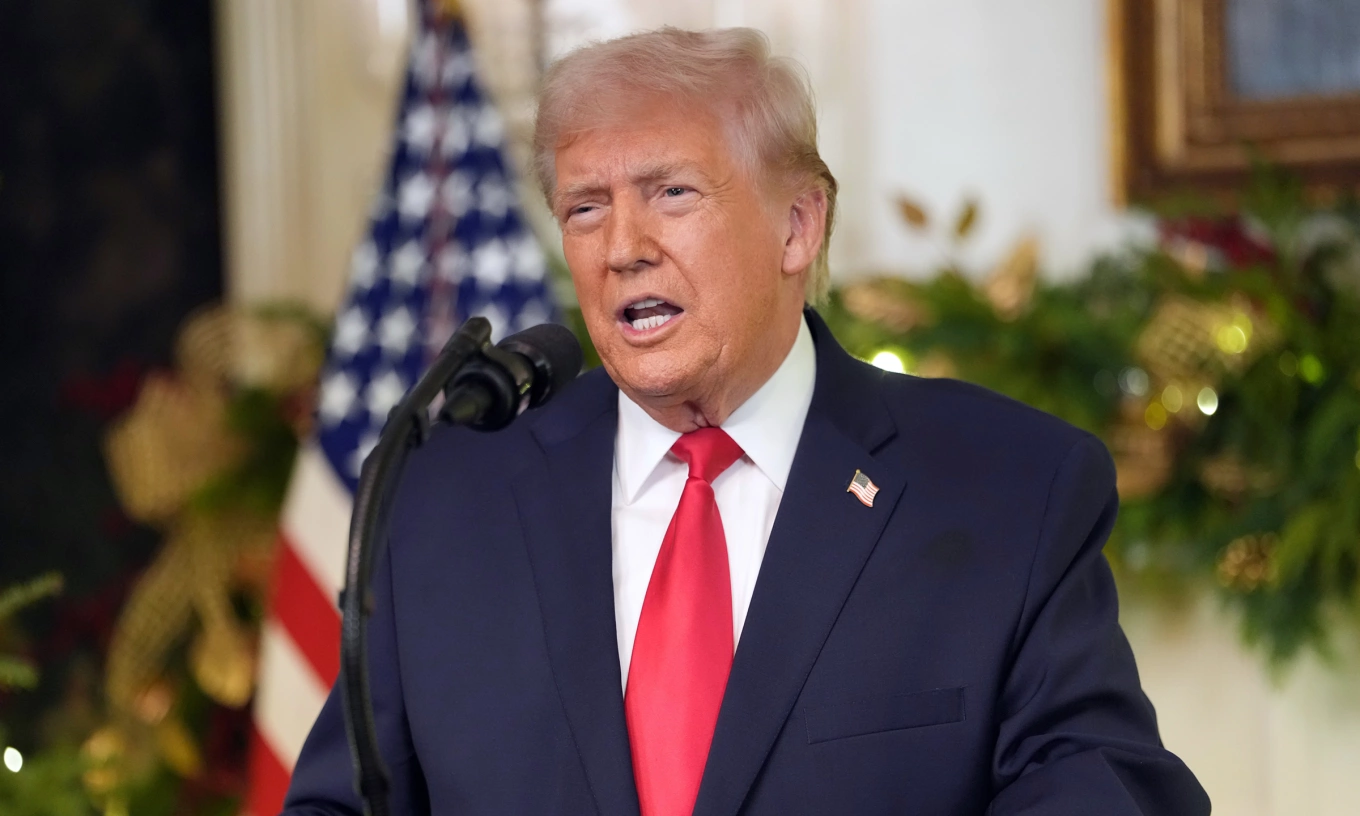
The episode illustrates a recurring challenge in trade policy: the difference between headline leverage and structural leverage. While tariffs can be imposed quickly, their effects are mediated by physical infrastructure, market design and time horizons. In the case of oil, those factors favor stability over sudden shifts.
During his presidency, Mr. Trump frequently framed tariffs as tools that imposed pain primarily on foreign producers. Economists have consistently noted that costs are often shared, with domestic consumers and industries absorbing part of the impact. Energy markets, with their scale and capital intensity, amplify that dynamic.
The U.S.–Canada oil relationship has been shaped over decades by investment decisions that assumed reliability on both sides of the border. Pipelines, storage hubs and refineries were built around that assumption. Undoing it would require years and billions of dollars, not a single policy announcement.
For Canada, diversification remains a long-term goal, including expanding access to non-U.S. markets. But in the near term, the existing system gives Ottawa a form of passive influence: doing nothing can sometimes be more effective than retaliation.
“Canada doesn’t need to turn off the taps,” said a former Canadian trade official. “The structure of the market already speaks for itself.”
The political resonance of energy policy is heightened by timing. With inflation still a sensitive issue and fuel prices closely watched by voters, even the suggestion of measures that could raise costs carries risk. That reality was reflected in the muted response from some U.S. lawmakers, particularly from energy-producing and refining states.
Markets appeared to take the tariff talk seriously but not literally. Price movements were cautious rather than panicked, suggesting that traders viewed the rhetoric as a negotiating signal rather than an imminent policy shift. Still, the conversation itself highlighted vulnerabilities that are often overlooked in political debates.
Energy analysts noted that true leverage in oil markets tends to be asymmetric and slow-moving. Countries that control chokepoints or enjoy captive demand often benefit without dramatic gestures. In that sense, the U.S.–Canada relationship differs from more adversarial energy standoffs elsewhere in the world.
The broader lesson may be about interdependence rather than dominance. North American energy security has been built on integration, not isolation. Attempts to weaponize that integration risk undermining the stability it provides.
Whether the tariff threat evolves into concrete policy remains uncertain. Similar proposals in the past have been softened or abandoned once economic implications became clearer. But the episode has already served as a reminder that in energy markets, power is rarely one-sided.
As debate continues, policymakers face a familiar trade-off: the political appeal of tough talk versus the economic realities of interconnected systems. In the case of Canadian oil, the latter may ultimately prove more decisive.
What began as an assertion of pressure has instead reopened a quieter conversation about who holds leverage — and how easily it can rebound. In an integrated market, even the strongest gestures can come back around, not as victory or defeat, but as higher costs shared across a border neither side can easily redraw.