Senator Kennedy Reflects on Rob Reiner’s Legacy, Drawing Attention for What He Left Unsaid
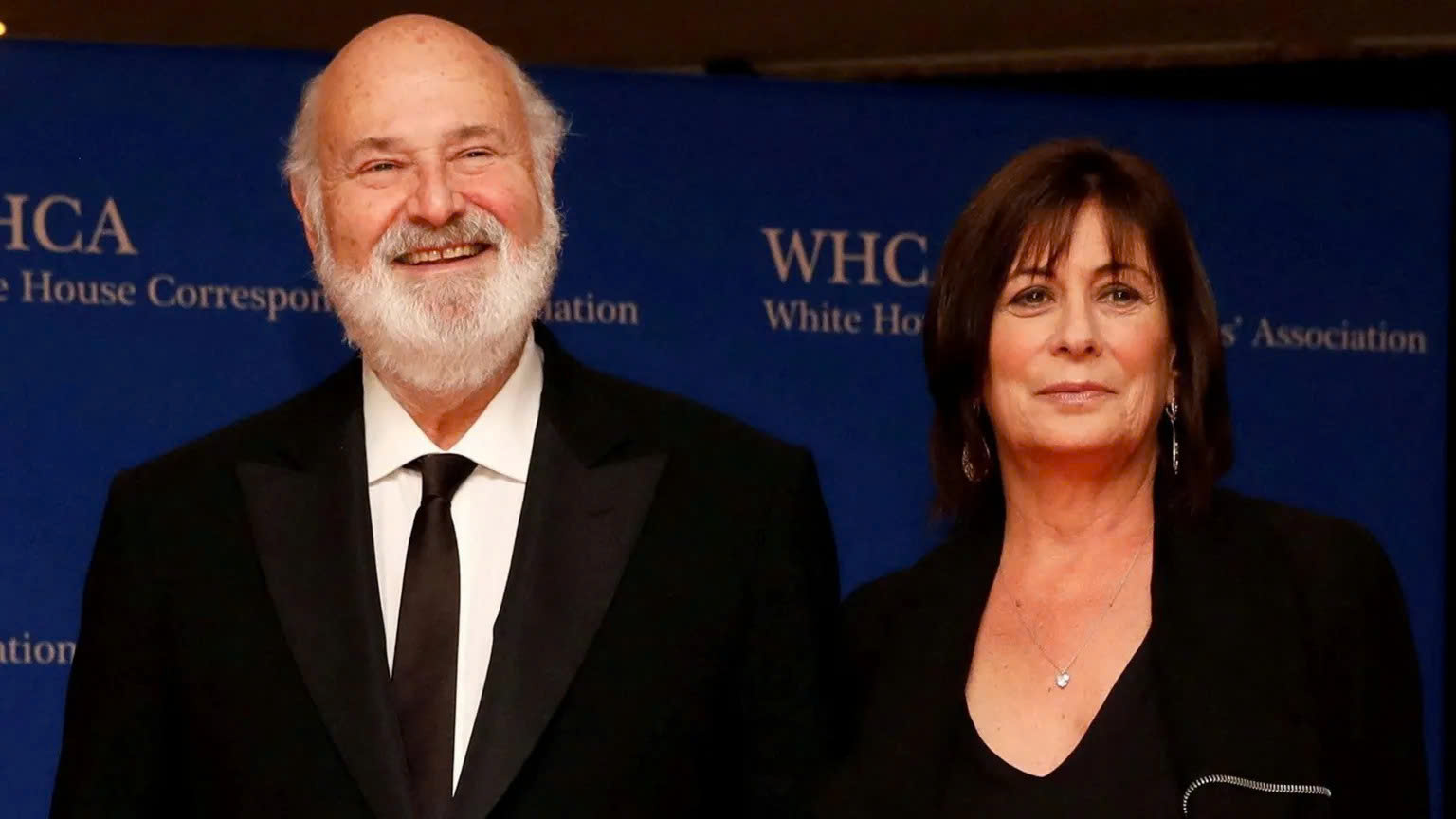
WASHINGTON — In a brief but carefully worded statement issued following the reported passing of filmmaker and activist Rob Reiner and his wife, Michele Singer Reiner, Senator John Kennedy offered condolences that were notable not only for what they praised, but for what they quietly set aside.
Kennedy, a Republican known for his sharp wit and partisan barbs, struck an unexpectedly reverent tone. He described Reiner as “a rare American storyteller whose work made people laugh, think, and sometimes argue — which is often the mark of art that matters.” The senator cited films such as The Princess Bride and A Few Good Men as cultural landmarks that transcended politics and generations.
“Rob Reiner understood something essential,” Kennedy said. “Stories shape how we see each other, and when told with heart, they can bring people together even when they disagree.”

The remark alone would have drawn attention given the long public history of political friction between Reiner and conservative figures. Yet it was Kennedy’s broader framing — and a particular line near the end of his statement — that caused many listeners and readers to pause.
Rather than focusing solely on Reiner’s filmography, Kennedy emphasized what he described as the director’s “off-screen commitments,” highlighting his advocacy for children, civil rights, and early childhood education. He referred to Reiner’s work in those areas as “largely quiet, often uncelebrated, and deeply consequential.”
“Fame fades,” Kennedy continued, “but good deeds leave a lasting impact — often longer than applause ever could.”
The sentence, delivered without elaboration, stood out. There was no mention of circumstances, no reference to final moments, and no attempt to contextualize the loss beyond a reflection on values. In an era when public figures’ deaths are often accompanied by exhaustive detail and instant analysis, Kennedy’s restraint felt deliberate.

Political observers noted the contrast. “It was unusually spare,” said one former Senate aide who has followed Kennedy’s career closely. “He chose not to speculate, not to politicize, and not to personalize the loss in a way that would invite controversy. That’s not accidental.”
Reiner, whose career spanned decades, was as well known for his outspoken political activism as for his films. A frequent critic of conservative politics, he was often at odds with figures like Kennedy on policy and rhetoric. That history made the senator’s words all the more striking for their absence of qualification or rebuttal.
“There was no ‘despite our differences,’” noted a media analyst. “Kennedy didn’t hedge. He didn’t soften the praise. He simply acknowledged the man’s contributions and moved on.”
Some interpreted the final line about “good deeds” as a subtle reminder of shared civic ground — a way of reframing Reiner’s legacy away from partisan conflict and toward a broader moral register. Others saw it as an intentional silence, a refusal to engage in the speculation and narrative-building that often follows high-profile deaths.
Online, the statement circulated widely, with readers dissecting its language. Many remarked on how often the final sentence was being reread and quoted in isolation. “It feels like he’s telling us where to look — and where not to,” one commenter wrote.
Historians of political rhetoric suggested the approach reflects a more traditional form of condolence, one that prioritizes dignity over commentary. “In earlier eras, public mourning was about restraint,” said a professor of American political history. “Kennedy’s statement echoes that style. It invites reflection rather than reaction.”
For Kennedy, whose public persona is often defined by bluntness, the measured tone marked a departure. Whether intentional or instinctive, it reshaped the conversation around Reiner’s legacy — shifting focus from controversy to contribution, from noise to impact.
As tributes continued to pour in from across the political and cultural spectrum, Kennedy’s words remained distinctive for their economy. No speculation. No explanation. Just a closing emphasis on deeds over fame.
In the end, it was that quiet choice — to stop short, to leave space — that made the statement linger, prompting many to read it once, then return to it again, searching for meaning in what was said, and in what was respectfully left unsaid.