Beneath the explosive headline and the familiar turbulence surrounding Donald Trump, the story of Canada is emerging as something far more consequential than a passing political dispute. What is unfolding is not simply another episode of rhetorical escalation or diplomatic friction. It reflects a deeper shift in how power is exercised, perceived, and sustained in an increasingly volatile global order.
For decades, the Canada–United States relationship has been held up as a model of cross-border cooperation. The two economies are tightly interwoven, spanning energy, agriculture, manufacturing, finance, and tourism. This interdependence was not built through spectacle or confrontation, but through predictable rules, institutional trust, and mutual restraint. When tariff threats and accusatory rhetoric surface, their effects reach well beyond policy debates, seeping into the everyday realities of trade flows, investment decisions, and local livelihoods.
What makes the current moment distinct is that the response has not come solely from Ottawa. Within the United States itself, a growing number of voices—including figures long associated with conservative political circles—are beginning to question the real cost of sustained instability. The debate is no longer about tone alone. It centers on consequences: eroding confidence, delayed investment, and a creeping sense of economic insecurity in communities that depend on steady cross-border exchange. Against this backdrop, Canada is not positioning itself as a provocateur, but as a steady counterpoint.

Canada’s approach during this period has been notably technocratic and restrained, even deliberately unremarkable. Yet that restraint has become its defining feature. Rather than answering provocation with escalation, policymakers have focused on preserving economic continuity, diversifying trade relationships, and insulating the country from overreliance on a single partner. This is not a rejection of cooperation, but a structural form of risk management—one that any open economy must consider when predictability gives way to uncertainty.
From the perspective of global markets, Canada is communicating a different kind of authority. It is signaling reliability, respect for established norms, and continuity in governance. In an era when policy can shift with political moods, stability itself functions as a form of soft power. It rarely commands attention in breaking news, but it strongly influences where capital settles, where supply chains endure, and where long-term agreements are feasible.

This contrast also helps explain why Canada has become a point of reference in American discourse. It is not being invoked as an idealized alternative, but as a mirror reflecting what has quietly receded. When trade conflicts are wielded as political tools, their costs tend to fall unevenly—on workers, small businesses, and local economies least equipped to absorb shocks. Canada’s measured posture, by minimizing disruption, inadvertently exposes the fragility of strategies rooted in confrontation.
Still, this is not a narrative of victory or defeat between nations. It is a broader inquiry into the nature of power in the twenty-first century. Does influence stem from the ability to impose immediate pressure, or from the capacity to sustain trust over time? Canada’s course suggests a clear preference: investing in durability, accepting gradual progress, and resisting impulses that could undermine long-term foundations.
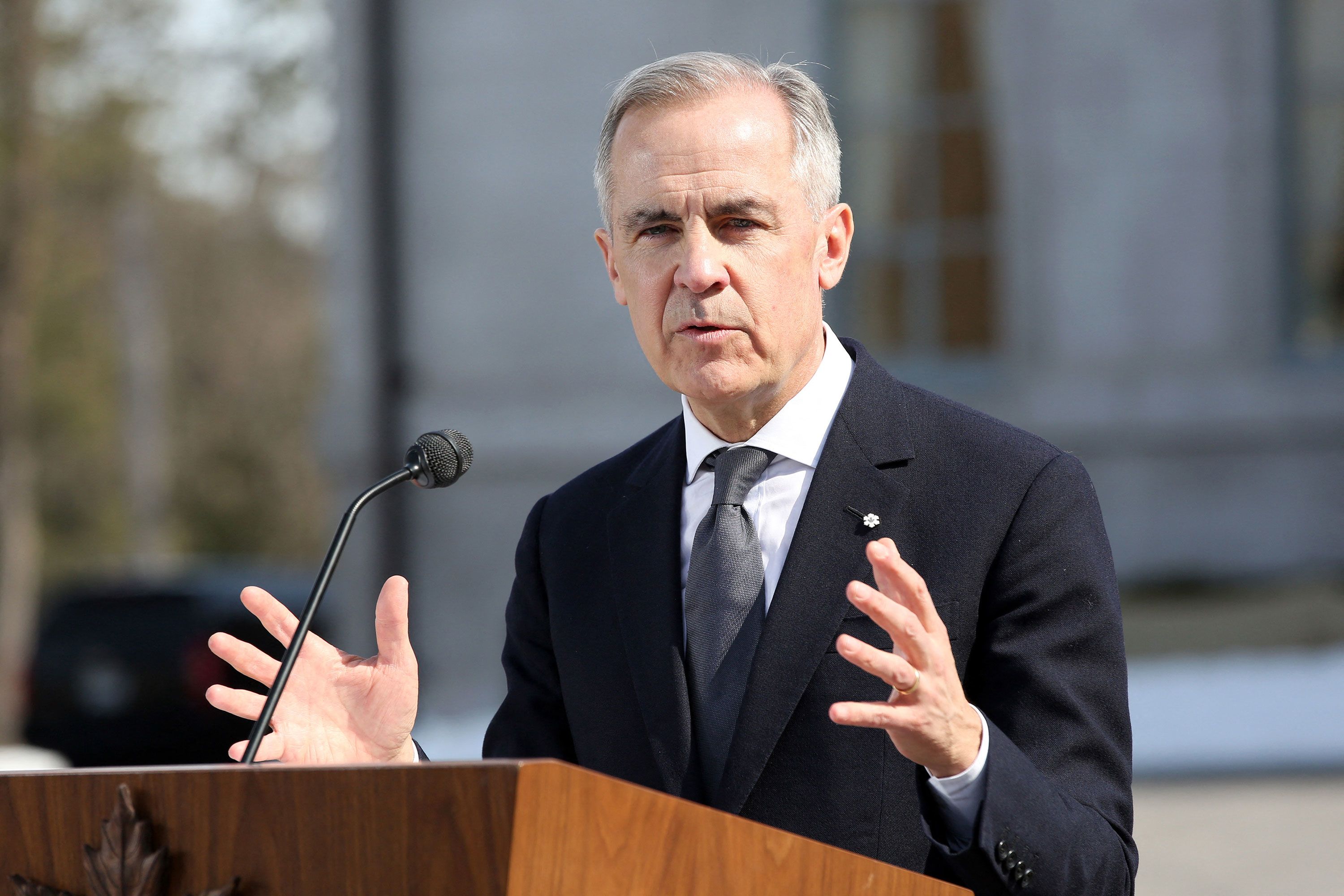
At a deeper level, these developments point to a quiet recalibration within the North American economic landscape. No formal declaration marks a turning point, yet the signals are evident—expanded outreach beyond traditional markets, renewed attention to diversification, and preparation for a future less dependent on the volatility of Washington politics. For Canada, this represents a pragmatic effort to safeguard national interests in a shifting environment, relying on consistency rather than confrontation.
From the outside, Canada’s “quiet power” can be easy to overlook. But moments of instability tend to sharpen its visibility. That calm does more than shape perceptions of Canada itself; it influences how other nations assess risk, opportunity, and credibility in a global system undergoing rapid change.