Court Weighs Requests for Trump’s Personal Records as Privacy and Press Freedom Collide
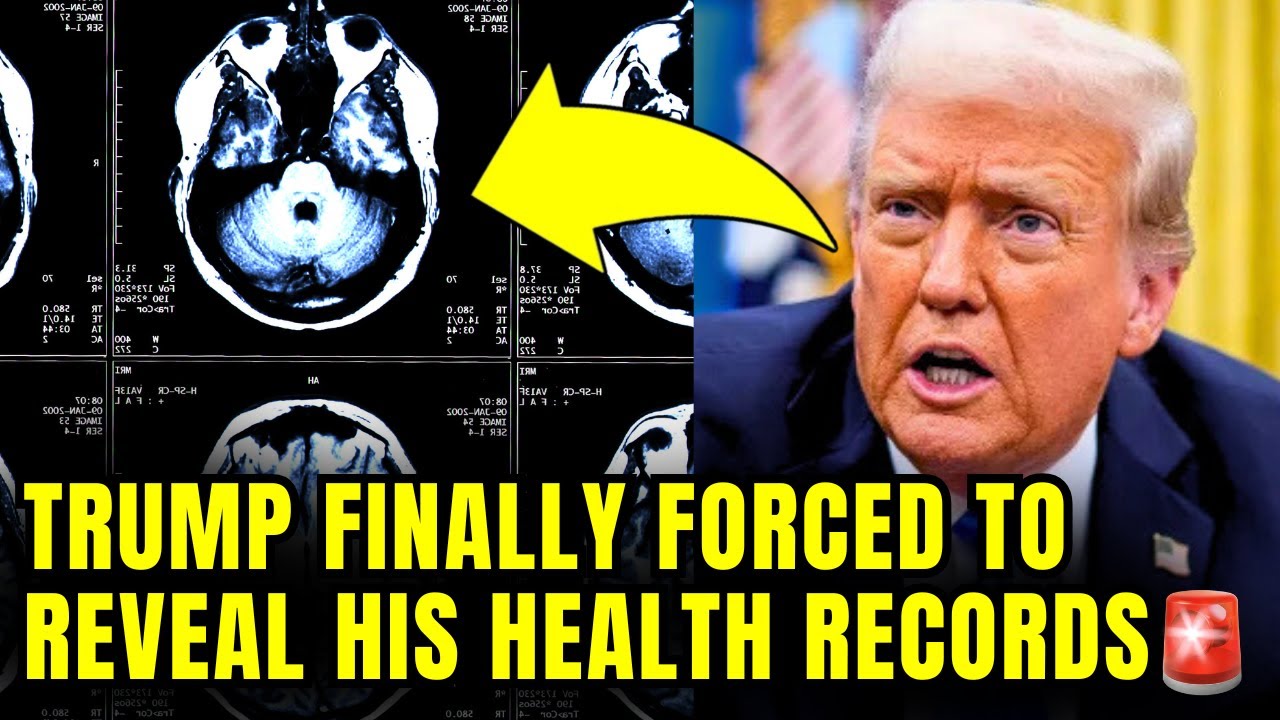
New York — A high-stakes legal fight unfolding in federal court has placed former President Donald J. Trump at the center of a contentious dispute over whether he must turn over personal records—including health-related information and financial documents—as part of a civil lawsuit that also implicates press freedoms and the scope of discovery.
The case, which has drawn national attention, arises from claims and counterclaims tied to public statements, reporting and alleged damages. At its core is a familiar tension in American law: how far litigants can go in seeking private information to prove their case, and where courts should draw the line to protect personal privacy—especially for public figures.
Lawyers for Mr. Trump have argued forcefully that requests for medical records, prescription histories and tax returns are intrusive and irrelevant, warning that compelled disclosure would set a troubling precedent. The plaintiffs counter that the materials are narrowly tailored and necessary to test assertions made by Mr. Trump and his representatives.
What the Court Is Being Asked to Decide
At issue is a discovery dispute—a procedural phase in which each side seeks evidence from the other. The plaintiffs have asked the court to order production of documents they say could bear on credibility, damages or defenses raised in the case. Mr. Trump’s lawyers have moved to block the requests, calling them a “fishing expedition” designed to embarrass rather than illuminate.
In recent filings, the court signaled concern about scope and relevance, scheduling additional briefing and a hearing to determine whether any materials should be produced—and, if so, under what protections.
“Discovery is not unlimited,” said Mary McCord, a former senior Justice Department official, summarizing the standard courts apply. “Judges must balance probative value against privacy and burden.”
Health Records and the Law

Requests for medical information face particularly high hurdles. Courts generally require a clear showing that a party has put his health “at issue” before compelling disclosure. Mr. Trump’s attorneys argue he has not done so, and that any health-related requests should be denied outright.
The plaintiffs respond that specific statements and defenses raised by Mr. Trump have opened the door, at least partially, to limited inquiry. They have proposed safeguards, including redactions and protective orders restricting who may view any sensitive material.
The judge has not ruled on whether health records will be produced, and legal experts caution that compelled disclosure—if ordered at all—would likely be narrow.
Financial Documents and Prior Precedent
The dispute also touches on tax returns, which enjoy special protection under federal law. Courts typically require a strong showing of necessity before ordering production, and even then often impose strict confidentiality measures.
Mr. Trump has fought similar requests in other cases, sometimes successfully narrowing or delaying disclosure. Plaintiffs argue that prior precedent does not bar access here, given the specific claims at issue.
The Press Freedom Angle
Adding complexity is a related dispute involving reporting that won a Pulitzer Prize, which Mr. Trump has criticized and challenged. His lawyers argue that the plaintiffs’ discovery demands are entangled with an effort to relitigate journalistic judgments through private records. Media organizations and press advocates have watched closely, warning against discovery practices that could chill reporting.
“The press cannot function if litigation becomes a back door to source exposure or private retaliation,” said a representative of a major journalism group.
Why This Matters Beyond One Case
Legal scholars say the court’s eventual ruling could influence how aggressively litigants pursue personal records from public figures—and how judges police the boundaries.
“This isn’t just about one defendant,” said Stephen Vladeck, a constitutional law professor at Georgetown University. “It’s about setting guardrails for discovery when politics, privacy and the press intersect.”
Judges often resolve such disputes incrementally, approving limited disclosures or denying requests without prejudice, leaving room to revisit if circumstances change.
What Happens Next

The court has ordered supplemental briefing and set a hearing to question both sides on relevance, necessity and proposed safeguards. Possible outcomes range from outright denial of the requests, to partial production under seal, to a phased approach that defers sensitive issues unless they become unavoidable.
For now, Mr. Trump is not required to turn over the records at issue. Any production would follow a written order specifying scope and protections.
A Familiar Pattern, a Narrow Question
While the rhetoric surrounding the case has been heated, judges tend to focus on narrow legal questions. As one veteran litigator put it, “Discovery fights sound dramatic, but courts decide them with scalpels, not sledgehammers.”
The coming ruling will test how those tools are applied when the records sought are deeply personal, the litigant is a former president, and the stakes reach beyond the courtroom to questions of privacy and press freedom.
Until then, the dispute remains unresolved—an illustration of how modern litigation can place private life, public accountability and institutional norms on a collision course, with the outcome resting on careful judicial line-drawing.