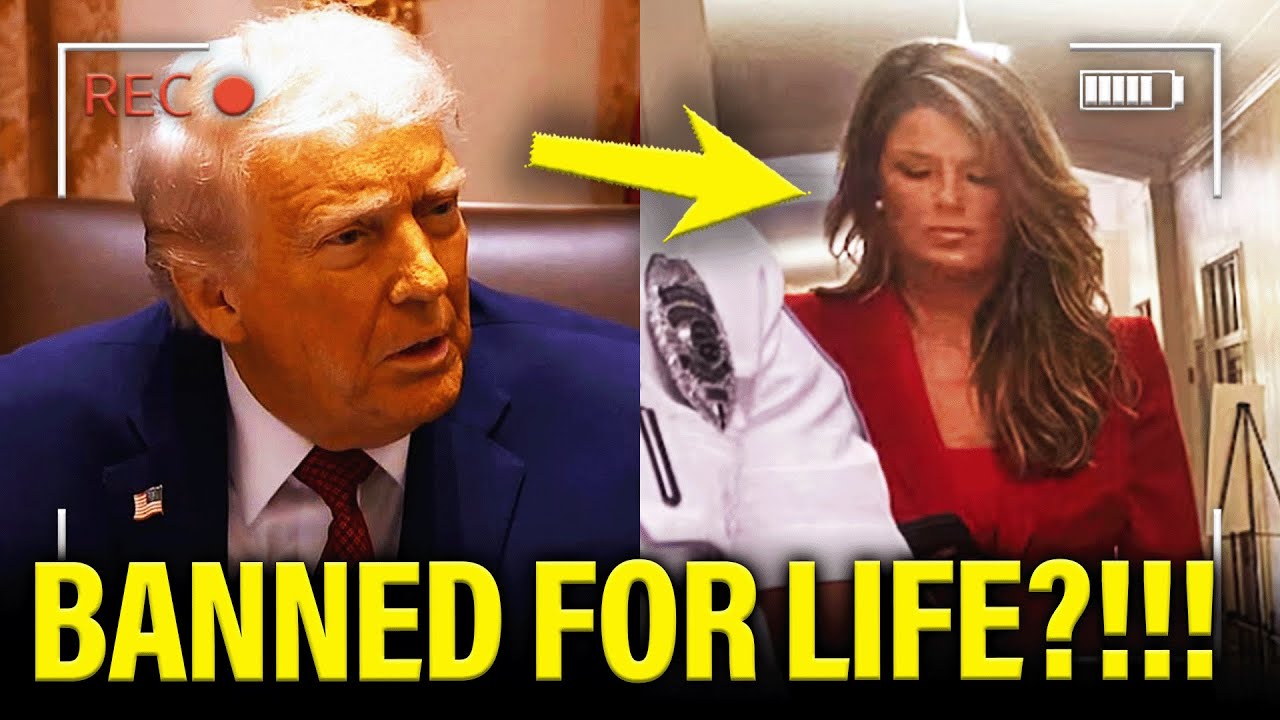
WASHINGTON — A tense courtroom exchange this week laid bare a growing rift between federal judges and the Justice Department, as members of the bench sharply questioned the government’s handling of the sudden disqualification of Lindsey Halligan, a U.S. attorney whose role in several high-profile cases had already drawn scrutiny.
What began as a procedural dispute quickly evolved into a broader confrontation over the limits of executive authority, the independence of federal prosecutors, and the role of political loyalty in the administration of justice. Judges pressed government lawyers on who ordered the disqualification, under what authority, and whether the decision complied with long-standing ethical and constitutional norms.
At issue is not only Halligan’s status, but the process by which the Justice Department acted — and what that process signals about the department’s relationship with the courts under the Trump administration.
A Courtroom Rebuke
During the hearing, judges expressed visible frustration with what they described as vague and incomplete explanations from Justice Department attorneys. When asked to identify the legal basis for Halligan’s removal from the case, government lawyers cited internal department determinations and potential conflicts, but stopped short of providing detailed documentation or naming the officials responsible for the decision.
That reluctance drew a sharp response from the bench.
“This court is not being asked to rubber-stamp an internal decision,” one judge said, according to a transcript reviewed after the hearing. “We are being asked to accept that a federal prosecutor can be removed from an active matter without transparent justification. That is not how judicial oversight works.”
Another judge questioned whether the department’s actions risked undermining the court’s authority over cases already before it. “Once a matter is in this courtroom,” the judge said, “the executive branch does not act unilaterally without consequence.”
The Halligan Disqualification
The Justice Department has said that Halligan’s disqualification was based on ethical concerns, though it has not publicly detailed their nature. Officials have emphasized that such decisions fall squarely within the department’s discretion and are not uncommon in complex or sensitive cases.
But legal experts note that while the department does have broad authority over prosecutorial assignments, courts retain the power to scrutinize actions that could affect defendants’ rights, the integrity of proceedings, or the balance of powers between branches of government.
“This is where separation of powers becomes more than an abstract principle,” said a former federal judge. “When prosecutors are reassigned or removed midstream, courts need to understand why, especially if there is any suggestion that politics played a role.”
A Deeper Struggle Over Authority
The confrontation reflects a broader pattern that has emerged in recent years: increasing friction between federal judges and executive agencies over transparency, compliance, and respect for judicial oversight.
In this case, judges repeatedly returned to the same concern — that the Justice Department appeared to be asserting near-total control over prosecutorial decisions even after cases had entered the judicial phase. That posture, they suggested, risks eroding the courts’ ability to ensure fair and lawful proceedings.
Justice Department attorneys pushed back, arguing that internal personnel decisions are insulated from judicial second-guessing and that revealing too much about internal deliberations could compromise future prosecutions.
But the judges were unconvinced. “There is a difference between discretion and opacity,” one judge remarked. “And this court is not satisfied that the line has been respected here.”
Politics and Perception
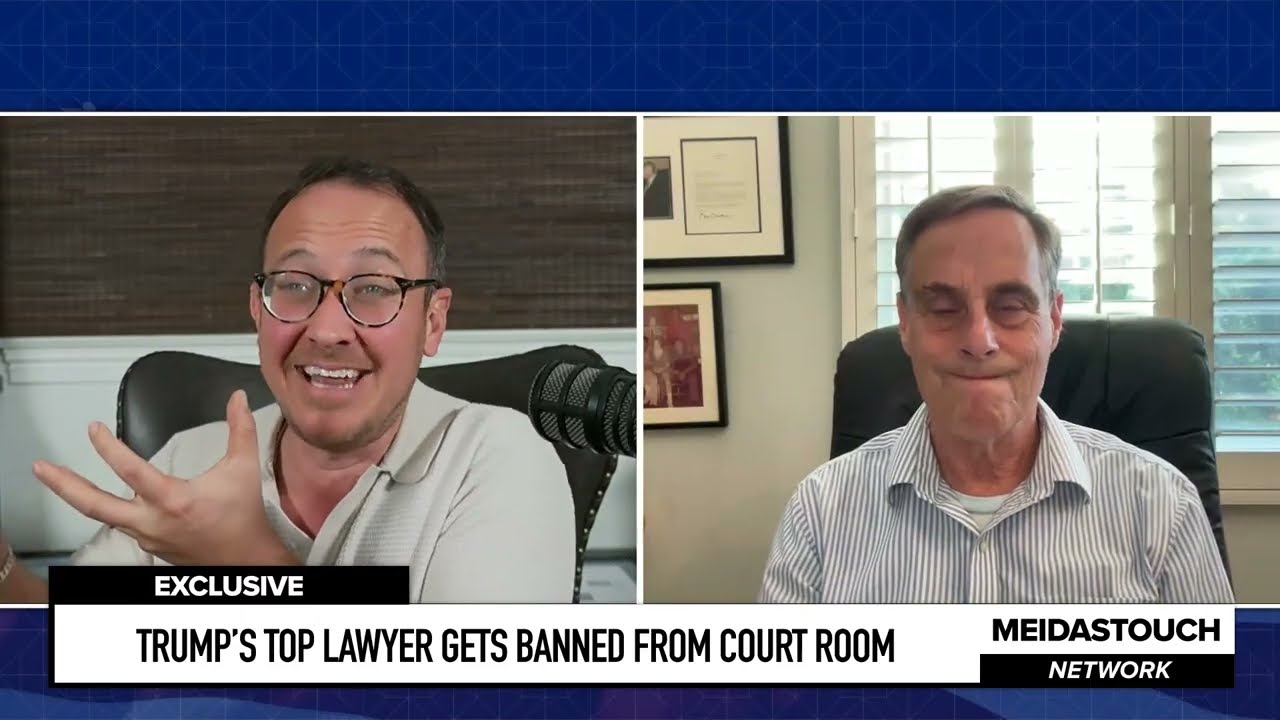
Although no judge explicitly accused the department of acting for political reasons, the subtext of the hearing was difficult to miss. Halligan’s perceived proximity to Trump-aligned legal circles has fueled speculation that her disqualification — and the department’s handling of it — may reflect internal political tensions rather than purely ethical considerations.
The Justice Department has denied that politics played any role, calling such suggestions “unfounded and irresponsible.” Still, the lack of detailed explanations has done little to quiet concerns among critics, including former prosecutors who warn that even the appearance of politicization can damage public trust.
“The legitimacy of federal prosecutions depends on the perception that decisions are made on law and evidence, not loyalty,” said a former senior Justice Department official. “When judges start openly questioning that perception, it’s a warning sign.”
What Happens Next
The judges have not yet ruled on whether the department’s actions were improper or whether any remedies are warranted. Possible outcomes range from a formal order requiring additional disclosures to restrictions on how the department proceeds in the affected cases.
In the meantime, the episode has amplified calls on Capitol Hill for closer oversight of the Justice Department’s internal decision-making. Several lawmakers have indicated they may seek briefings or documents related to the Halligan disqualification and similar cases.
For now, the confrontation stands as another flashpoint in an ongoing struggle over institutional boundaries — one that pits the judiciary’s demand for transparency and accountability against an executive branch asserting broad discretion over its own operations.
As one judge concluded at the end of the hearing, “This is not about one attorney. It is about whether the rule of law is administered in the open, or behind closed doors.”