Federal Judge Rebukes Justice Department Over Role of Disqualified U.S. Attorney
WASHINGTON — A federal judge sharply criticized the Justice Department this week over its continued use of a disqualified official as the named U.S. attorney in court filings, escalating a confrontation that has exposed deep tensions between the Trump administration and the federal judiciary.
During a hearing in the Eastern District of Virginia, Judge Leonie Brinkema questioned why Lindseay Halligan was still listed as the United States attorney for the district despite having been removed from the position and formally disqualified by another judge in a related case. “She’s done. She’s gone,” Judge Brinkema said, according to people present in the courtroom, pressing prosecutors on why her name continued to appear on pleadings.
Line prosecutors told the court they were acting under orders from senior officials at the Justice Department, including guidance attributed to the Office of Legal Counsel. Judge Brinkema responded by warning that the practice could taint every case filed by the office, raising the risk of appeals, dismissals and broader damage to public confidence in the justice system.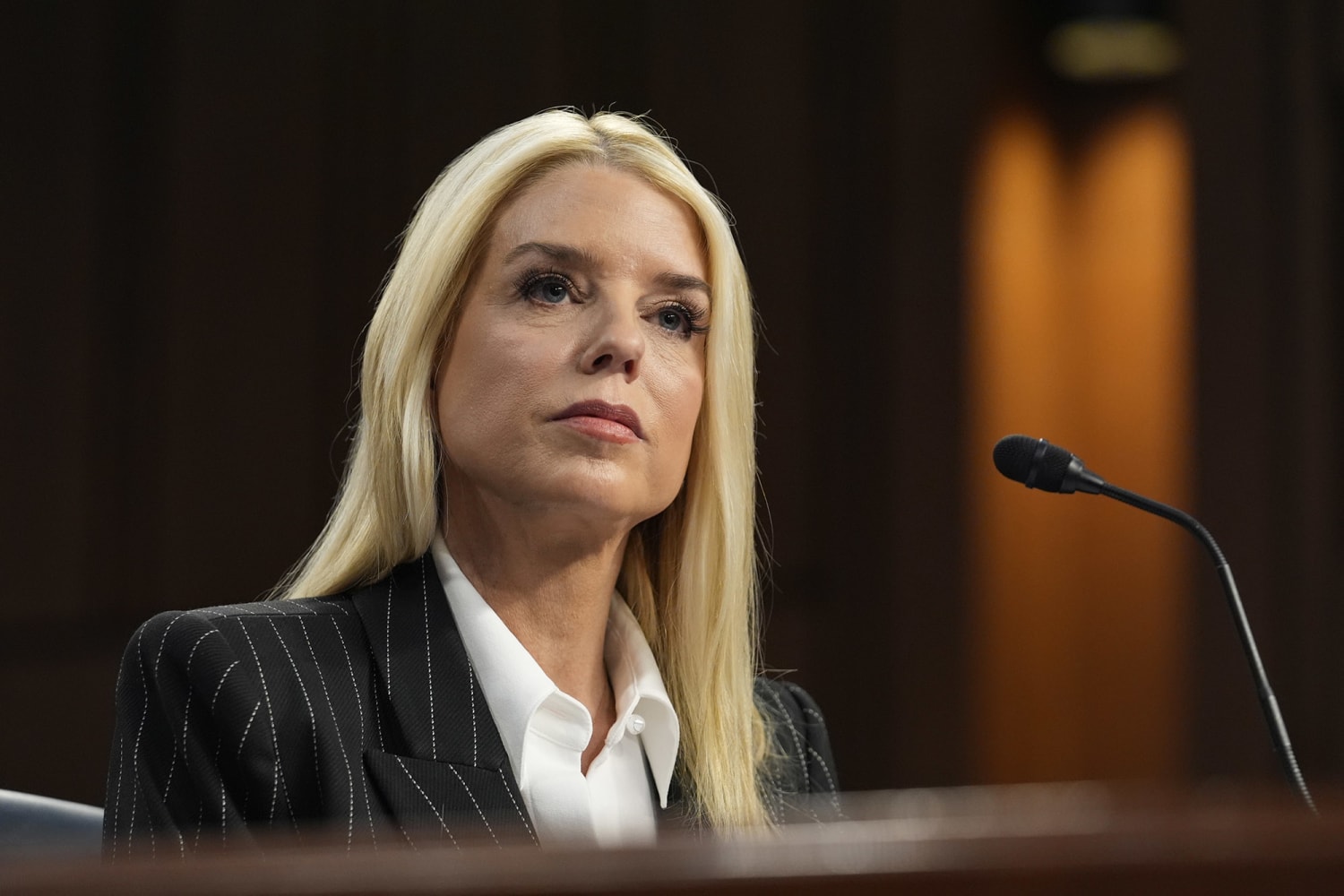
The dispute centers on constitutional and statutory limits governing the appointment of U.S. attorneys. Under federal law, the president may appoint an interim U.S. attorney for 120 days without Senate confirmation. That term may be extended only with approval from the district’s judges. If it is not extended, the interim official must step aside.
In this case, critics argue that the Trump administration exhausted its authority by first appointing one interim U.S. attorney who was later pushed out after declining to pursue politically sensitive prosecutions, and then installing Ms. Halligan without proper authorization. Judges in the district declined to extend her term, effectively ending her tenure.
Similar conflicts have played out elsewhere. In New Jersey, courts rejected efforts by Alina Habba, another Trump ally, to remain in office beyond the statutory limit, a ruling later upheld by the Third Circuit Court of Appeals. Legal experts say those decisions leave little room for the Justice Department’s current stance in Virginia.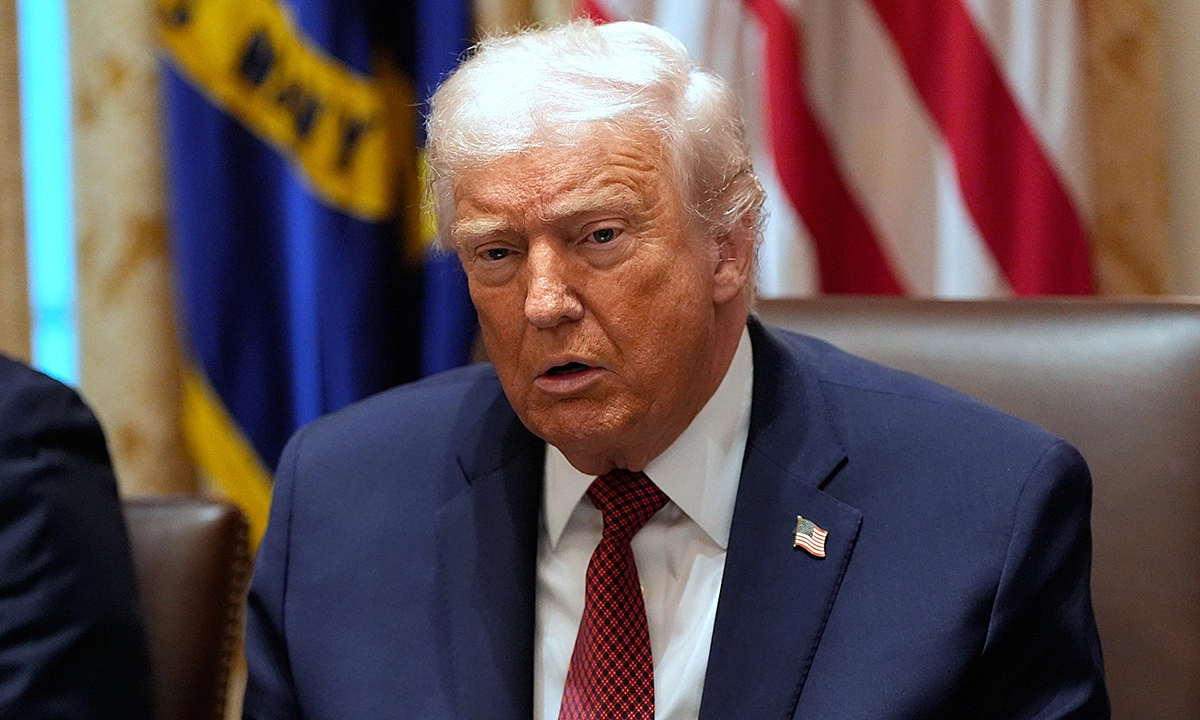
Despite that, Attorney General Pam Bondi and Deputy Attorney General Todd Blanche issued a statement accusing judges in the Eastern District of Virginia of bias and “undemocratic judicial activism.” The statement defended Ms. Halligan and argued that prosecutors were simply following legal guidance while advocating for the government’s position.
Former federal prosecutors and constitutional scholars strongly disagreed. They noted that once a U.S. attorney is deemed unlawfully appointed, she becomes a “legal nullity,” lacking authority even to supervise cases. Any indictments filed under her name, they warned, could be vulnerable to challenge.
The stakes extend beyond high-profile political cases. The Eastern District of Virginia handles a wide range of serious matters, including national security prosecutions, fraud cases and major criminal trials. Judges have expressed concern that continuing to list a disqualified official could jeopardize routine prosecutions and undermine public safety.
Legal analysts say the conflict illustrates a broader breakdown in norms governing the Justice Department’s independence. While administrations routinely clash with courts, the insistence on maintaining a disqualified official in office, they argue, crosses a line from aggressive legal strategy into constitutional defiance.
There remains a lawful path for resolving the dispute: the president could formally nominate Ms. Halligan and seek Senate confirmation. Observers say that outcome is unlikely given her lack of prior prosecutorial experience and the growing judicial backlash.
For now, the standoff continues, with judges demanding compliance and the Justice Department signaling it will not retreat easily. As one former prosecutor put it, the longer the impasse lasts, the greater the risk that ordinary cases — far removed from political battles — will pay the price.