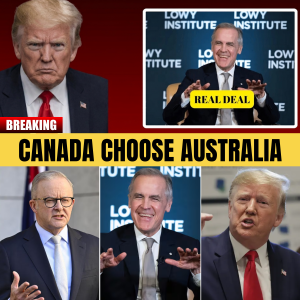
What began as a technical discussion about fighter jets briefly took on the weight of geopolitics this week, after a single line from a U.S. ambassador was clipped, shared, and reframed as a rare public admission: Canada, the ambassador suggested, can ignore Washington’s preferences. The remark landed amid Ottawa’s prolonged review of its planned purchase of F-35 aircraft, turning a routine procurement process into a broader debate about leverage, timelines, and national autonomy inside NATO.
The moment arrived during an exchange meant to reassure allies that the F-35 program remains a cornerstone of collective defense. Instead, the ambassador’s phrasing — acknowledging that Canada is free to decide for itself — ricocheted online as evidence that pressure had failed. To supporters of the review, it sounded like sovereignty affirmed. To critics, it hinted at a loss of American leverage over a close partner.
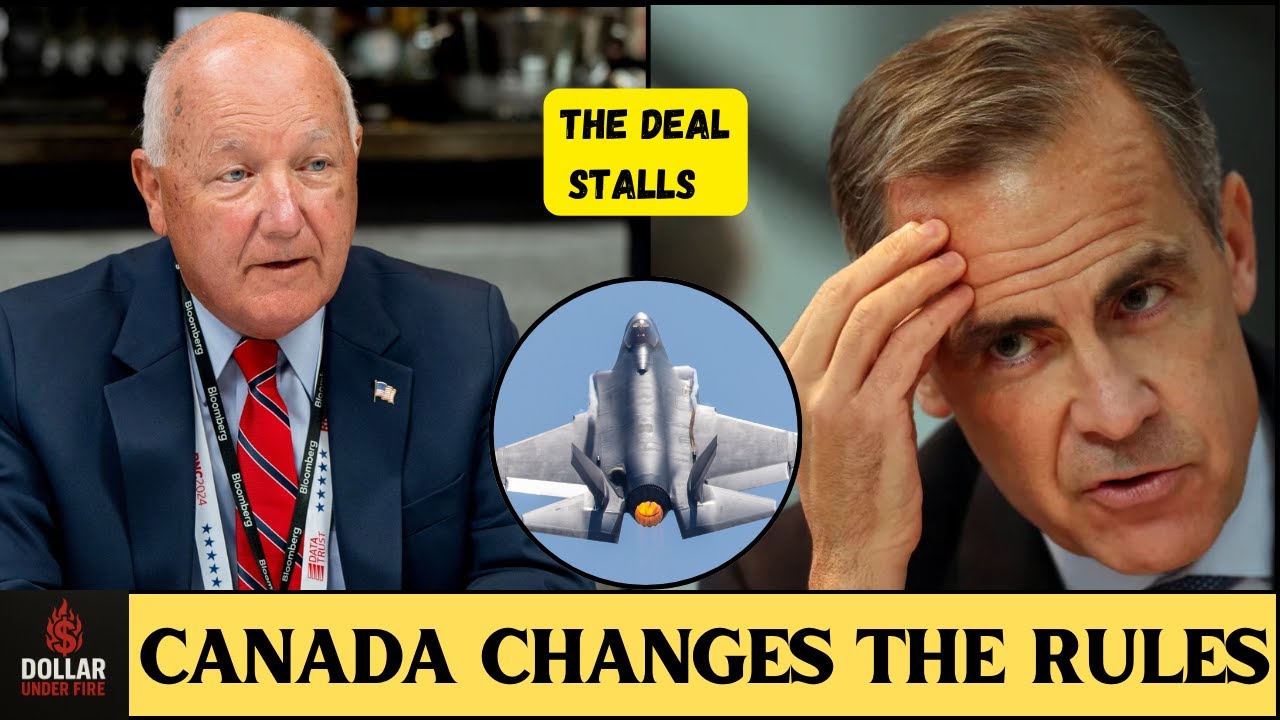
Canada’s F-35 file has been open for years, but it reentered public focus after Ottawa signaled it would take a closer look at costs and delivery schedules before committing fully. What Washington viewed as the end of a long process, Canada treated as another checkpoint. The gap between those expectations is what gave the ambassador’s comment its charge.
Behind the scenes, officials on both sides insist the episode is being overinterpreted. Canada’s government says it has not reversed course; it is reviewing, not repudiating. U.S. officials emphasize that allied procurement decisions are sovereign by design and that the alliance’s strength rests on interoperability, not coercion. Yet the timing matters. The review comes as defense budgets face inflationary pressure and voters scrutinize large capital outlays.
At the center of the reassessment is cost. Early estimates for Canada’s F-35 purchase hovered around $19 billion. Updated figures have climbed, with lifecycle costs, sustainment, and infrastructure pushing projections higher — some analyses approaching $28 billion once long-term expenses are included. The numbers are contested, and governments routinely argue that headline figures overstate the case. Still, the upward drift has sharpened questions about affordability and value.
Those questions reopened a door Ottawa had appeared to close: alternatives. Saab’s Gripen, long considered a runner-up, resurfaced in public discussion as a way to preserve “optionality.” Canadian officials have not endorsed a switch, but the mere reappearance of the name shifted the conversation. This is no longer just about choosing a platform; it is about who controls the pace and the terms of the decision.
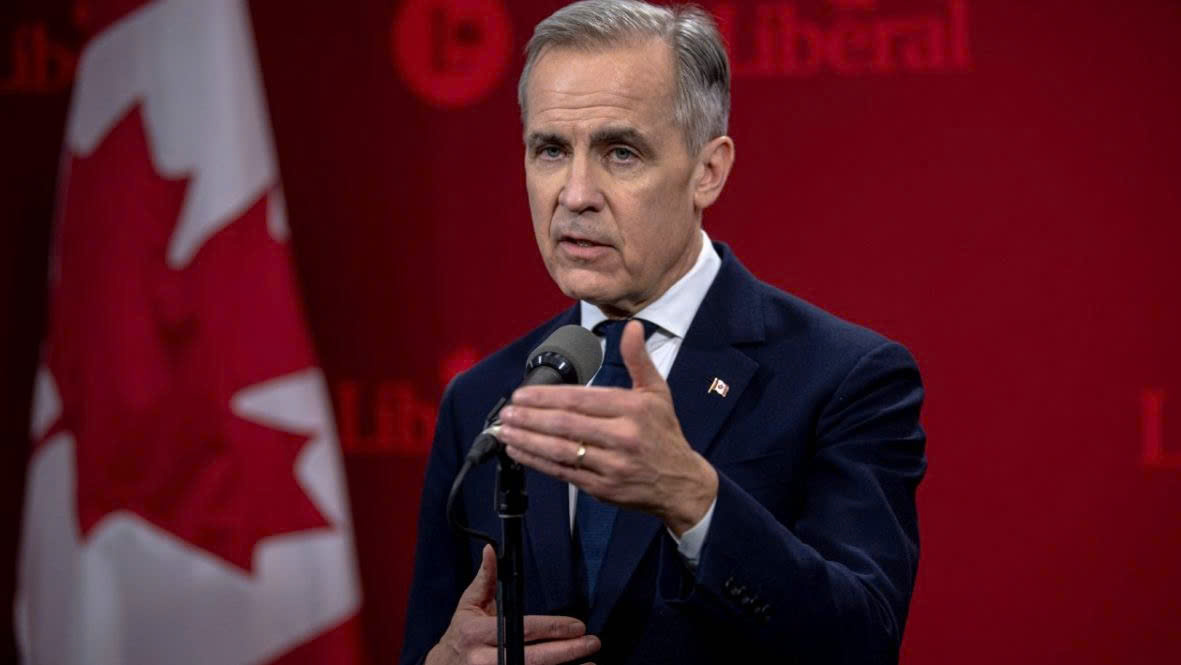
Mark Carney, Canada’s former central banker and now a prominent economic voice, has not been directly involved in procurement talks. But his broader argument — that credibility comes from disciplined decision-making under uncertainty — has echoed through the debate. The government’s message is that slowing the process is not dithering; it is diligence. The opposition’s counter is that prolonged review risks undermining commitments and raising costs further.
NATO allies are watching closely, not because Canada’s choice will unravel the alliance, but because it illustrates a wider tension. As defense technology grows more complex and expensive, partners are reassessing how commitments are made and revised. The F-35 program itself is multinational, binding participants through shared logistics and upgrades. Deviations ripple outward, even when they remain within the rules.
The ambassador’s comment resonated because it exposed that tension in plain language. Alliances operate on alignment, not orders. Yet alignment depends on expectations — about timing, follow-through, and political will. When those expectations diverge, even a routine acknowledgment of sovereignty can sound like a concession.
Analysts caution against reading the episode as a rupture. Canada has been a consistent NATO contributor, and no one in Ottawa is questioning the alliance’s core commitments. The review is about procurement mechanics, not strategic orientation. But symbolism matters. In an era of heightened geopolitical pressure, the optics of hesitation can be amplified into narratives of drift.

For Washington, the lesson is that persuasion has limits when costs escalate and domestic politics intrude. For Ottawa, the challenge is to demonstrate that review does not equal retreat — that keeping the file open strengthens, rather than weakens, its negotiating position. Both sides insist they can do that simultaneously.
What happens next will be measured less by viral clips than by paperwork: revised costings, delivery schedules, and cabinet decisions. If Canada proceeds with the F-35 after review, the episode will be remembered as a brief flare of online drama. If it alters course, it will mark a rare instance of a major ally asserting control over the timeline of a flagship program.
Either way, the ambassador’s remark captured a truth often left implicit in alliances. Sovereignty is not surrendered at the signing table; it is exercised in the review room. The shock was not that Canada can decide for itself, but that the reminder arrived so plainly — and at a moment when the math made patience politically necessary.