It began with a pitch that resonated in a moment of national upheaval: donations solicited to help protesters make bail, framed as an act of solidarity and urgency. This week, federal prosecutors say that mission was subverted. In an indictment unsealed in Oklahoma City, a local Black Lives Matter executive director is accused of diverting roughly $3 million in donations earmarked for protester bail into personal accounts, setting off a fresh controversy that has rippled far beyond the courtroom.
According to the charging documents, investigators allege that funds raised publicly for bail assistance were quietly rerouted through a series of bank transfers and checks, some of which were deposited into accounts controlled by the defendant. Prosecutors say the paper trail includes returned checks, unexplained withdrawals, and spending patterns — including travel and real estate-related expenses — that they argue are inconsistent with the organization’s stated mission.
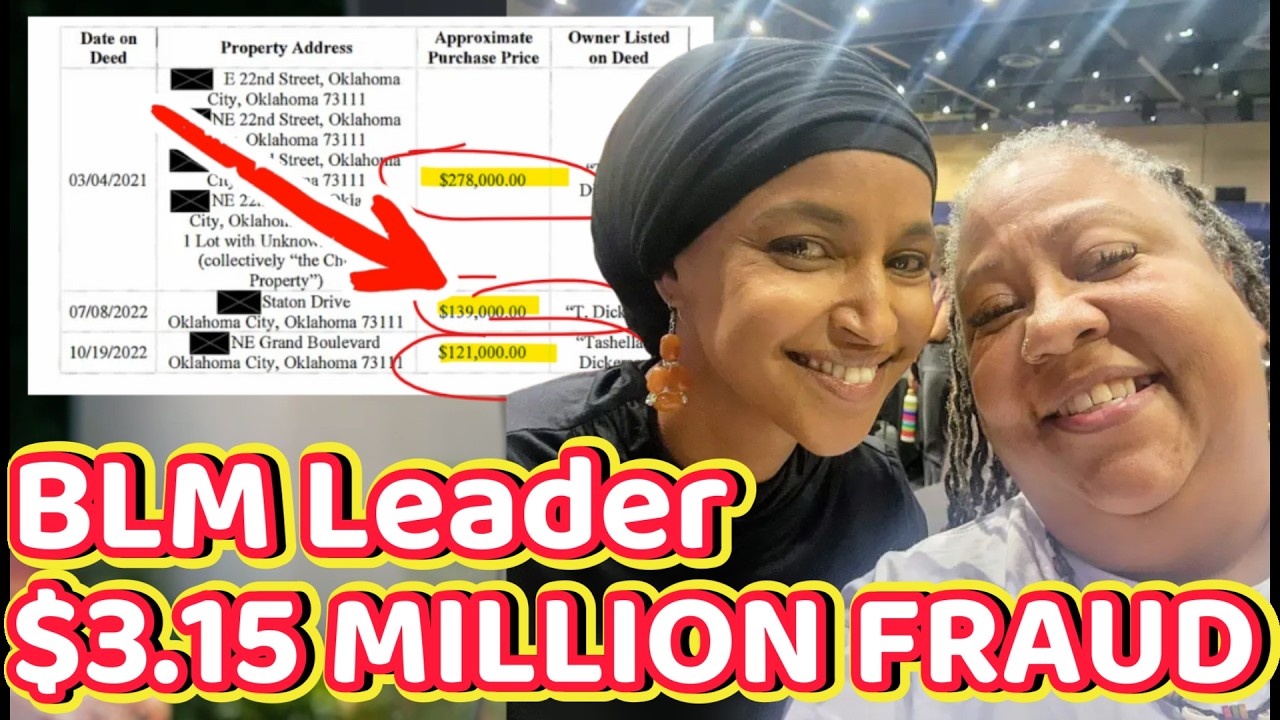
The defendant has not been convicted and is presumed innocent. Court records indicate that the charges stem from a multi-year investigation involving financial audits and cooperation between federal agencies. Defense attorneys have not yet presented their case in court, and a spokesperson declined to comment on the specifics of the indictment, citing pending proceedings.
The allegations landed with force because of the broader context surrounding political fundraising and activist organizations in recent years. Bail funds surged during periods of protest, fueled by viral appeals and rapid online donations. Oversight varied widely among groups, creating vulnerabilities that prosecutors say can be exploited. In this case, investigators contend, donors believed their money would help people secure release from jail; instead, they allege, a substantial portion was misused.
Public reaction has been swift and polarized. Critics argue the case validates long-standing concerns about transparency and governance within high-profile activist networks. Supporters caution against extrapolating from a single indictment to a movement as a whole, warning that allegations against one leader should not be used to discredit broader causes.
The indictment has also revived attention to other controversies involving BLM-affiliated entities, some of which resulted in civil disputes, leadership changes, or public apologies but not criminal convictions. On social media, commentators have drawn lines between those episodes and the Oklahoma City case, even as legal experts emphasize that each matter turns on its own facts.
Adding to the intensity is the resurfacing of emotional testimony from a victim’s mother who, in a separate and earlier dispute, criticized activists for invoking her daughter’s name without providing tangible support. Her remarks, now circulating again online, have become part of the narrative ecosystem surrounding the indictment, amplifying scrutiny and anger.
Prosecutors say the investigation is ongoing. The indictment references additional records under review and suggests that auditors are examining related accounts and transactions. While no further defendants have been named, the possibility of expanded charges has fueled speculation and driven the story’s viral spread.

Legal analysts note that financial crime cases often hinge on documentation and intent. “The government will need to show not just that money moved, but that it moved with fraudulent intent,” said one former federal prosecutor. “Defense counsel will scrutinize every transaction, every authorization, every representation made to donors.”
For donors and nonprofit leaders alike, the case underscores the stakes of governance and transparency. Charitable fundraising, particularly during crises, relies heavily on trust. When that trust is alleged to have been breached, the consequences extend beyond a single organization, affecting confidence across the sector.
As the case moves toward arraignment and pretrial motions, the court will determine what evidence is admissible and how the allegations are tested. For now, the indictment marks the beginning of a legal process, not its conclusion.
What is certain is that the story’s online velocity reflects a familiar dynamic: serious charges colliding with a polarized media environment. Facts, filings, and findings will unfold on a judicial timetable. The verdict — whatever it may be — will come from a courtroom, not a comment section.