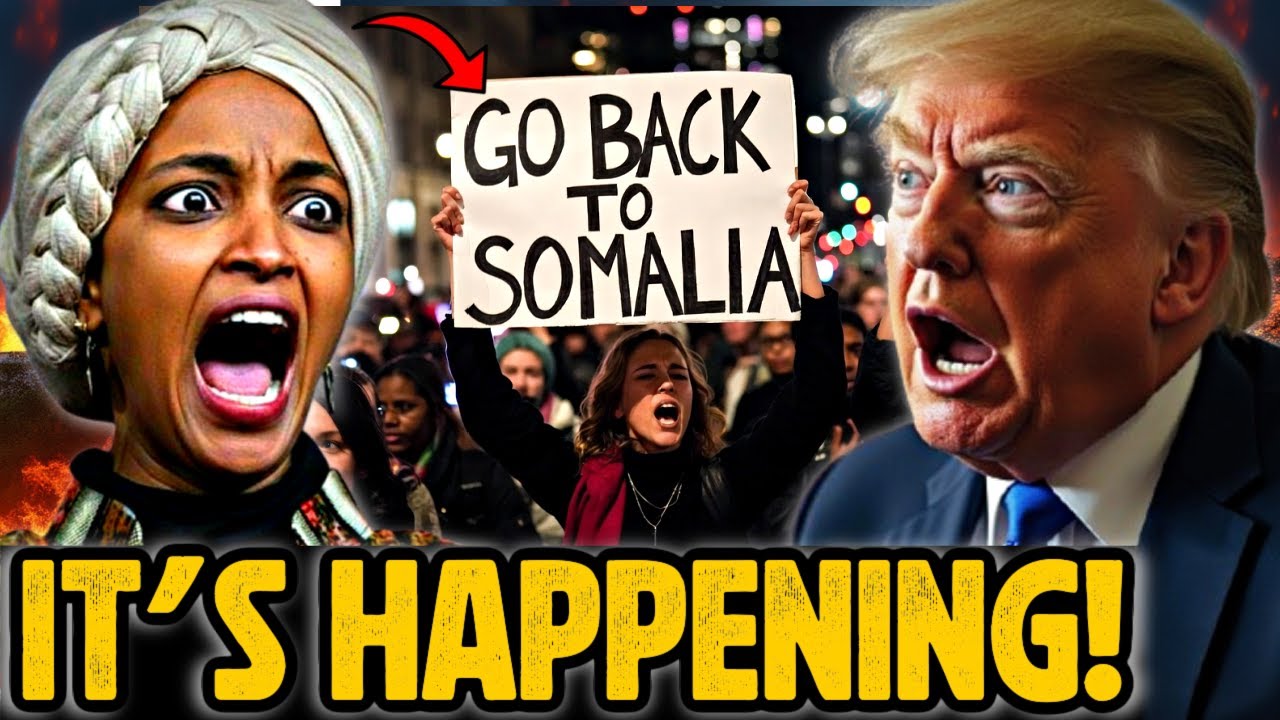
It began with a familiar spark: a set of online claims tied to Minnesota fraud cases that had circulated before, resurfacing amid heightened political tension. Within days, those claims were repackaged into something much larger — a viral narrative asserting that former President Donald Trump was “finally” moving toward a deportation push aimed at Representative Ilhan Omar, while linking the episode to a separate storm of allegations involving Governor Tim Walz and supposed “missing” taxpayer funds.
None of the assertions were accompanied by new court filings or official announcements. But that did little to slow their spread. Clips, screenshots, and “breaking” posts surged across platforms, drawing in cable panels and partisan influencers who framed the moment as a decisive showdown. The story’s power lay less in what had been proven than in how quickly disparate threads were woven together.
At the center was Omar, a frequent target of online attacks and a lawmaker whose district includes one of the largest Somali American communities in the country. Viral posts suggested — without documentation — that immigration enforcement tools, including Temporary Protected Status, were being invoked as part of a broader crackdown. In public appearances, Omar rejected the framing, warning that conflating individual fraud cases with immigration protections amounted to collective blame. “Rhetoric like this doesn’t just mislead,” she said at one event. “It puts people at risk.”
Supporters of Trump countered that the issue was accountability, not identity. They pointed to real prosecutions in Minnesota involving misuse of public funds, arguing that scrutiny was overdue. Critics responded that those cases, while legitimate matters for law enforcement, did not justify sweeping claims about deportation or implicate officials who had not been charged with wrongdoing.
The inclusion of Walz in the viral narrative followed a similar pattern. Posts alleged a “money trail” and administrative failures, often citing past audits or investigations that had already been addressed publicly. State officials said no new findings had been released and cautioned against presenting unresolved questions as established facts. “There is a difference between oversight and accusation,” one senior state official said.
On television, the debate unfolded as a clash of absolutes. Commentators spoke of an impending enforcement blitz, while others warned of constitutional violations. Immigration lawyers interviewed by news outlets emphasized that deportation proceedings require clear jurisdiction and due process, and that TPS designations are made through formal federal review, not social media signaling. “There is no mechanism for what’s being implied to happen overnight,” said one former Immigration and Customs Enforcement official.
Behind the scenes, according to people familiar with internal discussions who requested anonymity, the atmosphere was more procedural than explosive. Legal teams were reviewing timelines and prior rulings. Political advisers were tracking how the narrative was resonating with voters rather than preparing enforcement actions. Law enforcement agencies, those sources said, were aware of the online chatter but had not announced any new initiatives tied to the claims.

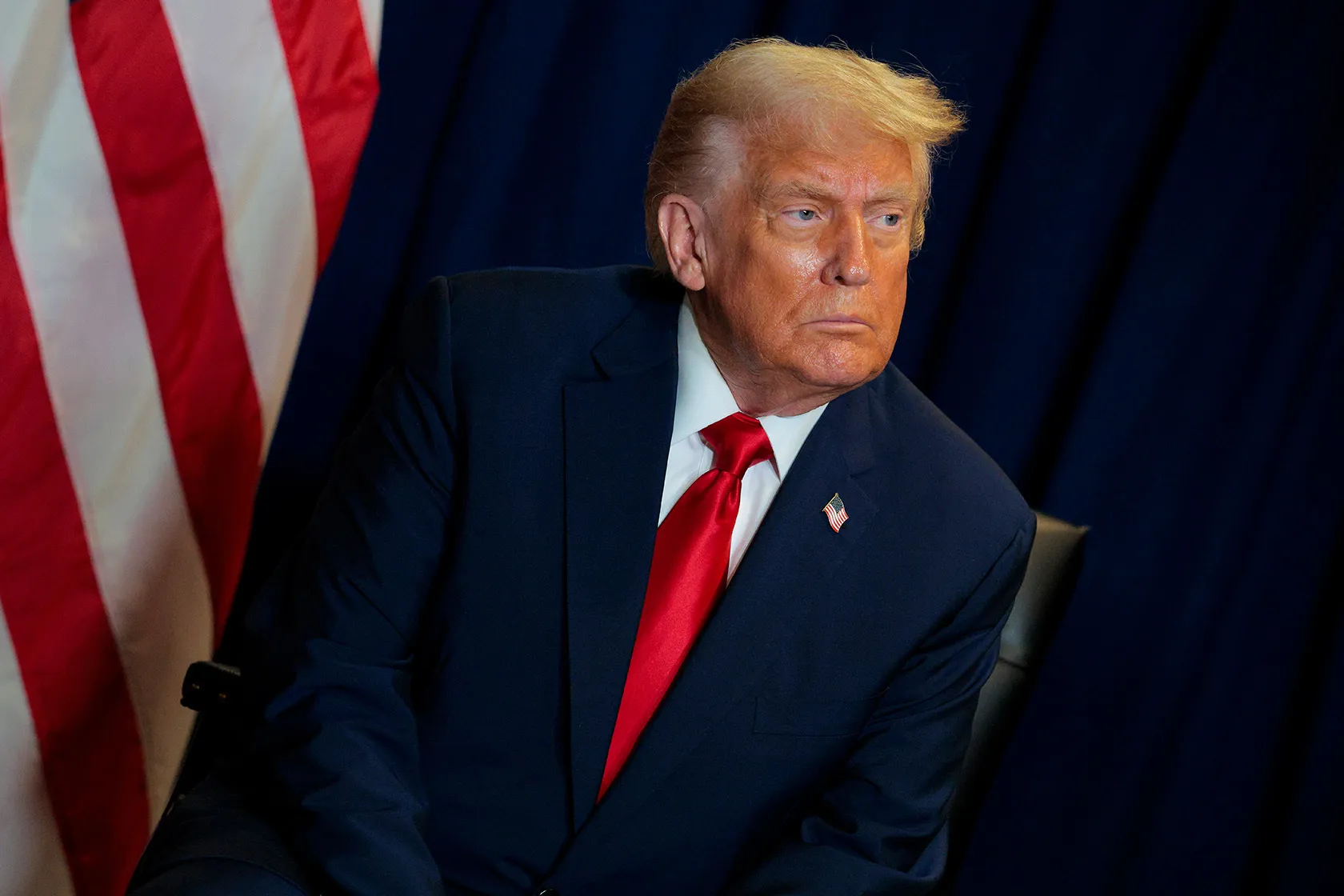
Trump’s role in the episode echoed a strategy seen before: hinting at decisive action without specifying details, allowing supporters and opponents alike to fill in the gaps. The approach ensured that he remained central to the conversation, even as the factual basis for the most dramatic claims remained unclear.
For Minnesota’s immigrant communities, the effect was immediate. Advocacy groups reported a spike in calls from residents seeking reassurance about their status. Past surges in similar rhetoric, they noted, have coincided with increased harassment and misinformation, regardless of whether policy ultimately changed.
Fact-checkers attempted to slow the momentum, pointing out that no deportation push had been formally announced and that neither Omar nor Walz faced charges connected to the viral allegations. Those clarifications circulated, but far less widely than the original claims.

What remains is a political spectacle built on implication and amplification. A set of unrelated issues — fraud prosecutions, immigration policy, partisan rivalry — have been fused into a single storyline that feels urgent even as its contours remain undefined. Whether any concrete action follows is an open question.
For now, the episode illustrates how quickly modern political scandals can be constructed, not through documents or decisions, but through suggestion and repetition. In the race to frame the next headline, certainty often arrives before evidence — and by the time facts catch up, the narrative has already moved on.