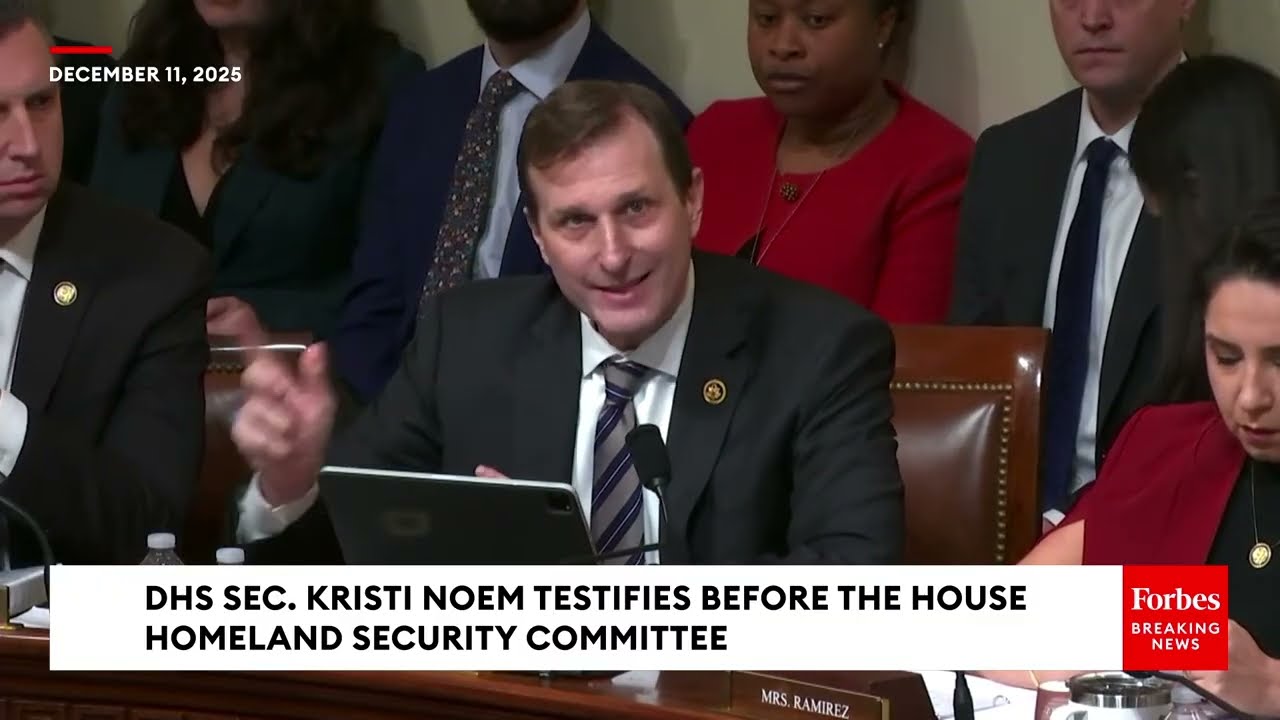
WASHINGTON — What began as a routine oversight hearing quickly escalated into one of the most pointed confrontations of the session, as Representative Dan Goldman pressed Department of Homeland Security Secretary Kristi Noem on whether current immigration enforcement practices are complying with existing U.S. asylum law. The exchange exposed a deeper and unresolved conflict at the heart of federal immigration policy: how far executive enforcement priorities can stretch before colliding with statutory obligations enacted by Congress.
Goldman, a Democrat from New York and a former federal prosecutor, focused his questioning on the legal framework governing asylum claims, emphasizing that immigration enforcement is not merely a matter of policy preference but one constrained by clear statutory requirements. He repeatedly asked whether DHS and Immigration and Customs Enforcement (ICE) were following the letter of the law when detaining, expelling, or rapidly processing migrants who have expressed a fear of persecution.
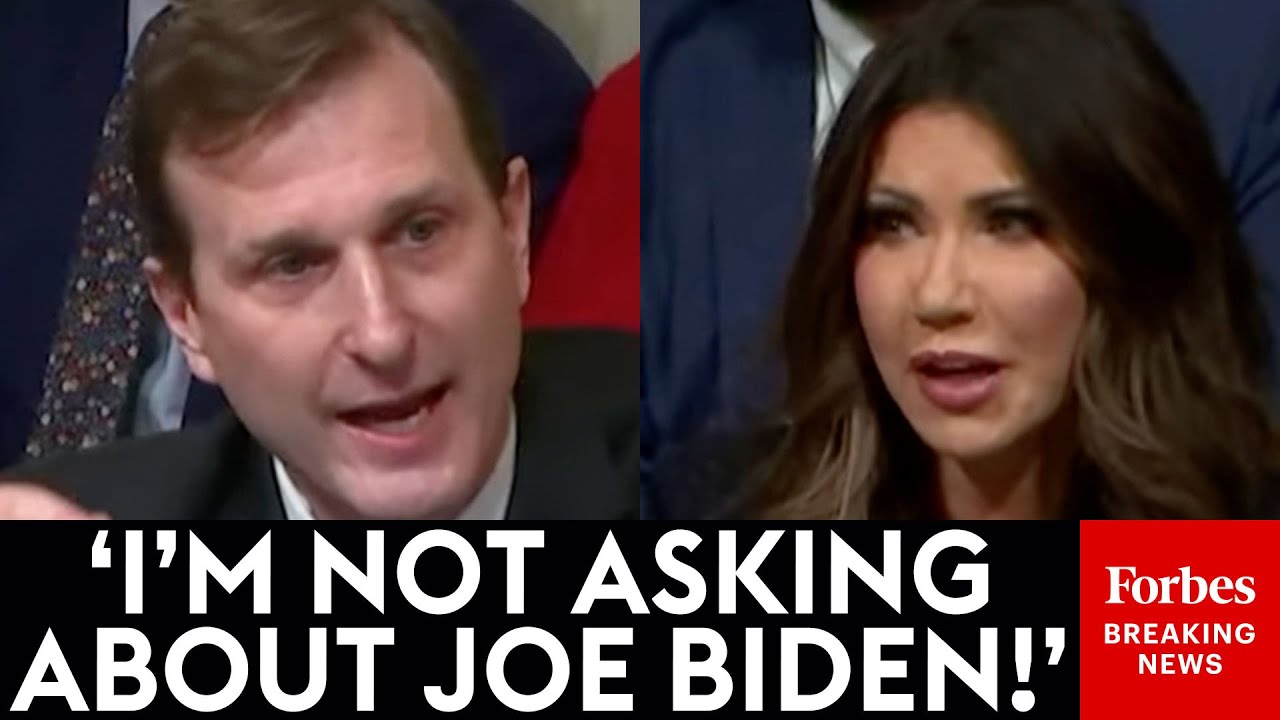
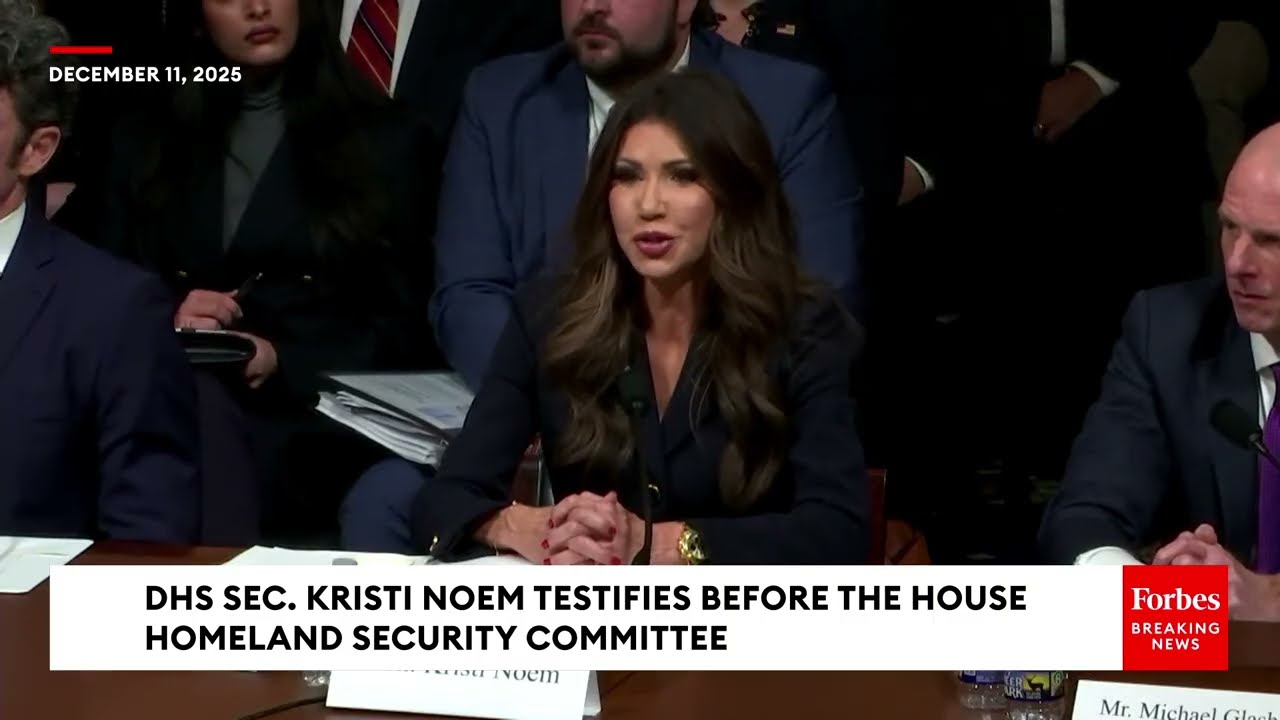
Secretary Noem, appearing before the committee for one of her most closely watched oversight sessions to date, pushed back forcefully. She defended DHS’s approach as necessary to restore “order and credibility” at the border, arguing that enforcement decisions are guided by national security concerns, operational capacity, and what she described as years of systemic strain on the immigration system. But she stopped short of offering direct yes-or-no answers to several of Goldman’s legal questions, instead returning repeatedly to broader themes of executive authority and enforcement discretion.
A Legal Fault Line Comes Into Focus
At the center of the dispute is a long-standing tension in U.S. immigration law: while Congress has established a statutory right to seek asylum, administrations of both parties have used a range of executive tools to manage how and when those claims are processed. Goldman argued that recent enforcement actions risk undermining those statutory protections.
“The law is not optional,” Goldman said at one point, noting that asylum statutes require individualized assessments and access to due process. “You don’t get to ignore it because it’s inconvenient or politically difficult.”
Noem countered that DHS is operating within its legal authority, citing emergency powers, regulatory frameworks, and court rulings that have allowed the executive branch some flexibility in how immigration laws are implemented. She framed Goldman’s line of questioning as overly narrow and disconnected from the realities facing border officials.
“Our agents are dealing with unprecedented challenges,” Noem said, warning that rigid interpretations of asylum procedures could overwhelm the system and incentivize irregular migration.
Enforcement Priorities Versus Congressional Intent
The exchange highlighted a broader debate that has intensified in recent years: whether immigration enforcement has become increasingly detached from congressional intent. Critics argue that successive administrations have relied too heavily on executive measures—such as expedited removals, detention expansions, and restrictive interpretations of asylum eligibility—without sufficient oversight or transparency.
Goldman pointed to reports from advocacy groups and legal observers suggesting that some migrants are being removed or detained without meaningful opportunities to present asylum claims. While he did not accuse DHS of outright illegality, he pressed Noem to clarify how the department ensures compliance with asylum law in practice, not just in theory.
Noem, visibly frustrated, accused lawmakers of second-guessing frontline decisions from the comfort of Washington. She emphasized that DHS policies are reviewed by legal counsel and shaped by court decisions, adding that Congress itself bears responsibility for failing to modernize immigration law.
“If Congress wants different outcomes, Congress needs to act,” she said.
Accountability and Oversight at Stake
The confrontation underscored the role of congressional oversight in an era of expansive executive power. Goldman’s approach reflected a broader Democratic effort to force clearer answers from administration officials on how laws are being interpreted and applied. For Republicans and some centrists, however, the exchange reinforced concerns that oversight hearings are becoming platforms for political theater rather than constructive problem-solving.
Still, even some lawmakers sympathetic to Noem’s enforcement goals privately acknowledged that the lack of clear, direct answers could fuel skepticism about DHS’s transparency. Oversight, they noted, is not simply about policy disagreement but about ensuring that agencies can explain how their actions align with the law.
Legal experts observing the hearing noted that the tension on display is unlikely to be resolved anytime soon. Courts continue to play a central role in arbitrating disputes over asylum procedures, often stepping in to block or modify executive actions. At the same time, Congress remains deeply divided over comprehensive immigration reform, leaving administrations to navigate a legal landscape shaped as much by litigation as by legislation.
Political and Policy Implications
Beyond the immediate exchange, the Goldman–Noem clash carries broader political implications. Immigration remains one of the most polarizing issues in American politics, and enforcement decisions are increasingly scrutinized not only by courts and lawmakers but also by voters. How DHS answers questions about legality and accountability may shape public trust in the agency at a moment when that trust is already fragile.
For Noem, the hearing was a test of her ability to defend a tough enforcement posture while maintaining credibility as a steward of the law. For Goldman, it was an opportunity to draw a clear line between policy discretion and legal obligation, framing immigration enforcement as a rule-of-law issue rather than a purely political one.
As the hearing adjourned, neither side appeared satisfied. Goldman made clear that he intends to continue pressing for documentation and clearer answers, while Noem signaled that DHS would resist what it views as efforts to micromanage enforcement from Capitol Hill.
What remains unresolved is the fundamental question raised by the exchange: in a system strained by political stalemate and human urgency, who ultimately decides how the law is applied—and how much deviation from congressional mandates the executive branch is allowed?
For now, that question sits at the heart of the immigration debate, with no easy answers and no sign that the clash between oversight and enforcement is likely to cool anytime soon.