Inside the White House, a Test of Loyalty and Limits
In Washington, personnel crises rarely announce themselves all at once. They unfold gradually, through leaked frustrations, shifting language, and a growing sense that something once manageable has begun to slip out of control. That is the atmosphere now surrounding Defense Secretary Pete Hegseth — and the increasingly complicated calculations facing President T.R.U.M.P.

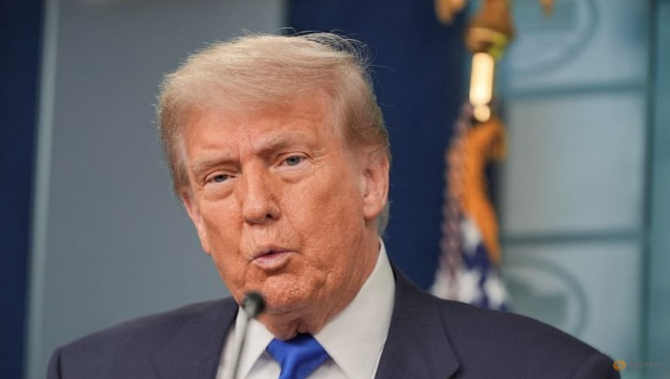
Publicly, the White House has projected steadiness. The president has expressed confidence in his defense secretary, dismissing recent reporting as exaggerated and politically motivated. Privately, however, according to people familiar with internal discussions, the mood has been more unsettled. Multiple phone calls, expressions of irritation, and quiet inquiries about alternatives have fueled speculation that Mr. Hegseth’s position may no longer be secure.
The immediate catalyst was a report by The Washington Post describing a U.S. military operation in the Caribbean in September 2025. The article raised serious questions about decision-making at the highest levels of the Pentagon, including allegations that orders were issued in a manner inconsistent with long-standing military norms and international expectations. Mr. Hegseth has forcefully denied the account, labeling it false and accusing the press of distortion.
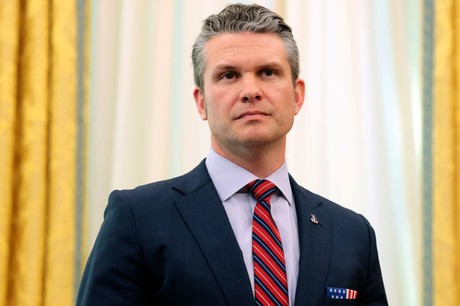
Yet the controversy did not end with denial. Critics across the political spectrum noted the absence of a detailed factual rebuttal, while the administration’s messaging shifted from categorical dismissal to broader complaints about leaks and internal dissent. For Mr. T.R.U.M.P, a president who prizes discipline and loyalty above nearly all else, the emergence of a sustained internal narrative he could not fully control appears to have struck a nerve.
This is not the first time the president has faced a dilemma of his own making. Mr. Hegseth’s confirmation was contentious from the start, requiring significant political effort and leaving little margin for error. To remove him now would invite uncomfortable questions about judgment and vetting — questions Mr. T.R.U.M.P has historically resisted with vigor.
At the same time, the costs of inaction are rising. The Pentagon’s Inspector General recently concluded that Mr. Hegseth violated established protocols by sharing sensitive military information through unsecured channels, a finding that intensified scrutiny from Congress and the national security establishment. Republican lawmakers, usually reluctant to challenge the administration publicly, have begun to express measured but notable concern about leadership and stability at the Department of Defense.
Former officials and military professionals have described a department under strain, marked by staff departures, internal disagreements, and a growing unease among career officers about clarity of command. While such turbulence is not uncommon in periods of transition, the accumulation of issues has begun to reshape perceptions inside and outside the administration.
For Mr. T.R.U.M.P, the problem is not merely whether Mr. Hegseth can survive the current storm. It is whether defending him indefinitely serves the president’s broader interests. Loyalty has long been the currency of advancement in this White House, but loyalty becomes more costly when it threatens to overshadow other priorities — competence, credibility, and political survival among them.
Those familiar with the president’s thinking describe a familiar pattern. Initial defiance gives way to irritation, followed by quiet distance. Phone calls become sharper. Advisors are asked, discreetly, for their assessments. Names of potential successors begin to circulate, not as formal plans but as contingency conversations. In Washington, such conversations rarely remain hypothetical for long.
The White House insists that no decision is imminent. That may be true. Mr. T.R.U.M.P is known to delay decisive moves until he believes the timing favors him, allowing events to mature until action can be framed as strength rather than concession. If Mr. Hegseth ultimately departs, it is likely to be presented as a controlled transition rather than a reaction to pressure.
Still, the underlying question remains unresolved: whether accountability applies evenly within this administration, or whether allegiance to the president outweighs institutional norms. How Mr. T.R.U.M.P answers that question will resonate far beyond one cabinet position.
In the coming weeks, investigations will continue, lawmakers will ask sharper questions, and the flow of information — sanctioned or otherwise — is unlikely to slow. The president may yet decide that keeping his defense secretary is a price worth paying. Or he may conclude that the damage has grown too great to ignore.
Either way, the episode offers a revealing glimpse into how power functions inside this White House — and where its limits may lie.