A single word, shouted from a rally stage, was enough to ignite another round of political turbulence.
At a recent campaign event, chants invoking “deportation” rippled through the crowd as former President Donald J. Trump spoke about immigration enforcement and political accountability. Though Mr. Trump did not outline any specific legal action, the moment quickly escaped the confines of the rally, spreading across social media and cable news as commentators linked the rhetoric to Representative Ilhan Omar and a growing swirl of allegations and speculation.
Within hours, video clips were circulating widely, often paired with Immigration and Customs Enforcement footage from Minnesota and claims that new scrutiny was imminent. The result was a narrative collision — one in which campaign rhetoric, immigration visuals, and unverified accusations merged into a viral political spectacle.
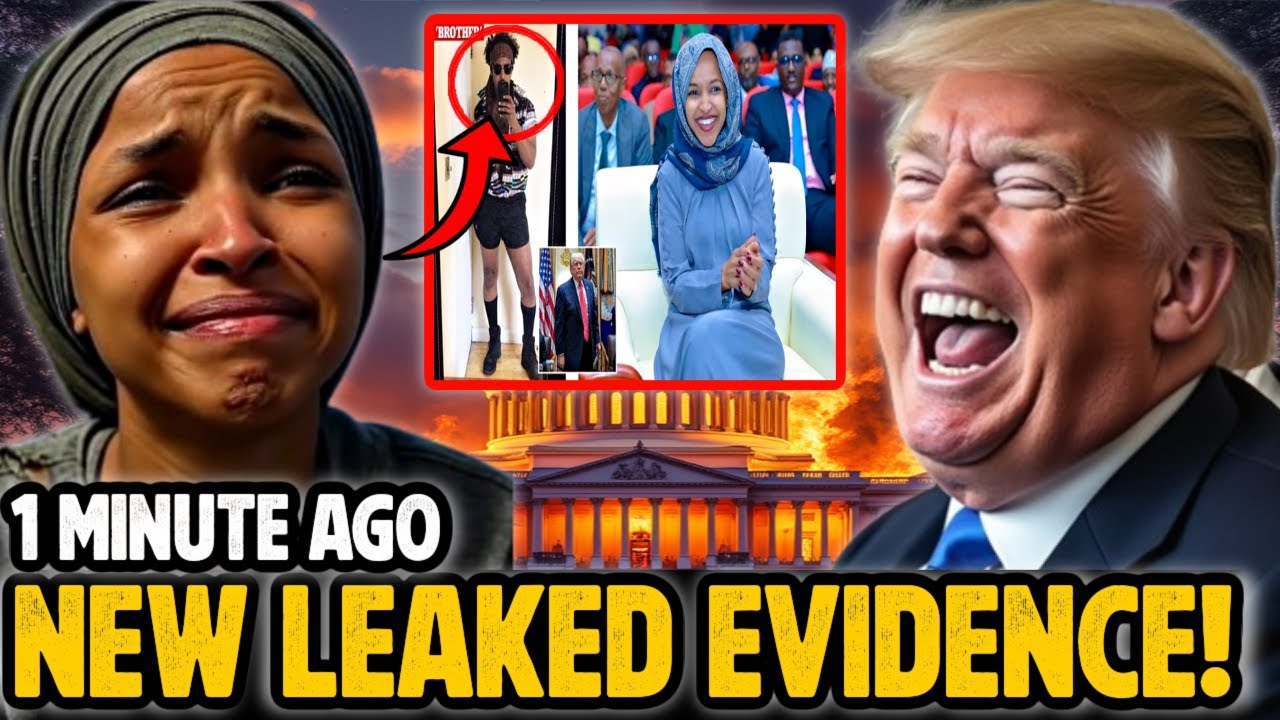
Ms. Omar, a U.S. citizen and a naturalized American who has represented Minnesota’s 5th Congressional District since 2019, cannot legally be deported under U.S. law. Legal experts were quick to point out that deportation applies to noncitizens, a distinction that was largely absent from online commentary as the clips gained traction.
Still, the chant proved powerful.
Supporters of Mr. Trump framed the moment as symbolic — an expression of frustration with what they view as a lack of accountability for political elites. Some argued that the language reflected a broader demand for investigations into alleged fraud and financial misconduct, claims that have circulated intermittently in online spaces but have not been substantiated by new official findings.
Critics, including Democratic lawmakers and civil rights advocates, condemned the rhetoric as reckless and misleading. They warned that conflating immigration enforcement with attacks on a sitting member of Congress risks eroding public understanding of the law while inflaming political tensions.
“This is not policy discussion,” said one constitutional law scholar. “It’s political signaling, and it thrives on ambiguity.”
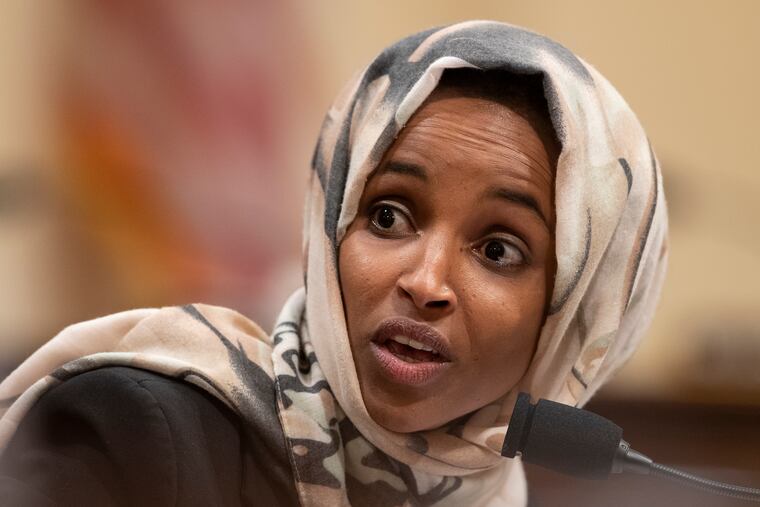
The ambiguity was quickly filled by speculation. Commentators and influencers suggested that “files were being pulled” and that “records” were under review, though no federal or state agency has announced any new investigation involving Ms. Omar. Her office declined to comment directly on the rally chants, instead reiterating past statements rejecting allegations of wrongdoing and criticizing what aides described as a coordinated smear campaign.
Ms. Omar’s allies defended her silence as deliberate restraint. Engaging every viral claim, they argued, risks amplifying misinformation. Her critics interpreted the lack of a detailed response differently, portraying it as evasive — a familiar pattern in highly polarized political moments.
Behind the scenes, political media operations moved swiftly. According to people familiar with campaign strategy discussions, operatives on multiple sides began framing the rally moment for different audiences: some emphasizing toughness on immigration, others highlighting threats to democratic norms. The same few seconds of footage were edited, captioned, and redistributed thousands of times, often stripped of legal context.
Traditional news outlets faced a difficult editorial choice. Some focused on the factual boundaries — noting that deportation is not legally applicable to Ms. Omar and that no investigations had been announced. Others examined the phenomenon itself, exploring how immigration rhetoric can be repurposed as a political weapon even when it has no plausible legal endpoint.
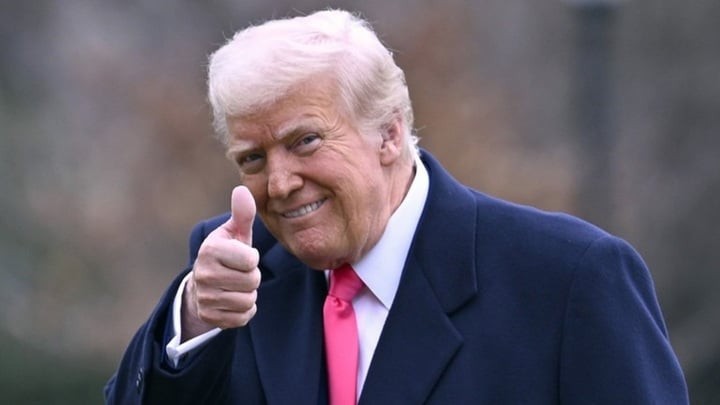
Ms. Omar has long been a lightning rod in national politics. Her background as a Somali-born refugee, her outspoken criticism of U.S. foreign policy, and her visibility as a progressive voice have made her a frequent target of political attacks. The latest episode draws on that history, blending old allegations with new insinuations in a format optimized for rapid spread.
Experts say the episode reflects a broader shift in political communication. Campaign rallies are no longer ephemeral events; they are content engines, producing moments designed — or easily adapted — for viral circulation. In that environment, symbolic language can take on a life of its own, untethered from legal reality.
“Once a chant goes viral, it stops being about feasibility,” said a political communication analyst. “It becomes about identity, loyalty, and outrage.”
As of now, no evidence has been presented publicly to support claims of renewed investigations into Ms. Omar. No agencies have confirmed reviews of records, and no legal actions have been announced. Yet the story continues to dominate feeds, driven by repetition and the suggestion that something consequential is just around the corner.
Whether the moment fades or intensifies may depend less on rhetoric and more on facts — should any emerge. Until then, the episode stands as another example of how quickly modern political discourse can blur the line between slogan and substance.
For now, the internet keeps talking. The law, however, remains unchanged.