What began as a handful of street speeches and loosely organized demonstrations in Minnesota has, within days, evolved into a broader national confrontation over rhetoric, protest, and political identity. Videos shared widely on social media show growing crowds converging in parts of Minnesota and neighboring states, with Representative Ilhan Omar emerging as the focal point of a rapidly intensifying debate.
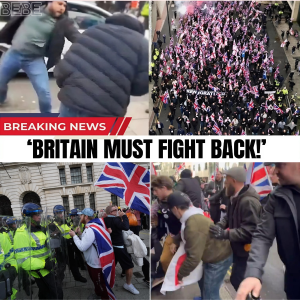
The footage — a mix of cellphone recordings, livestreams, and short viral clips — spread quickly across major platforms. Some showed protesters calling for investigations and accountability, while others captured counterprotesters denouncing what they described as intimidation and dangerous political escalation. By midweek, the images had drawn millions of views, turning a regional dispute into a subject of national conversation.
As the crowds grew, so did the stakes.
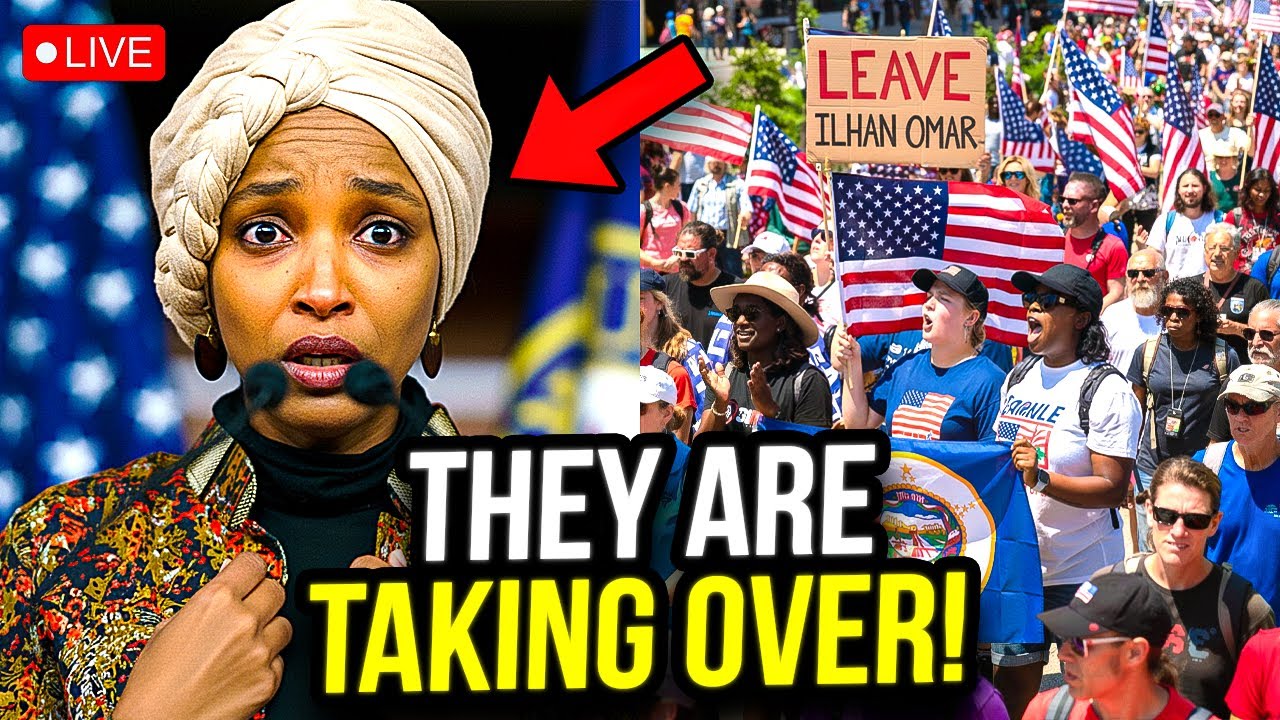
Ms. Omar, a Democrat who has represented Minnesota’s 5th Congressional District since 2019, has long been a polarizing figure in American politics. Her outspoken positions on foreign policy, immigration, and civil liberties have earned her devoted supporters and fierce critics. This latest moment, however, appears to have compressed years of unresolved tensions into a single news cycle.
Supporters of the demonstrations frame them as a response to what they see as unanswered questions about representation, loyalty, and the boundaries of political speech. They argue that public protest remains a legitimate and necessary tool in a democratic society, particularly when voters feel institutions have failed to respond.
“All we’re asking for is accountability,” said one protest organizer in Minneapolis, speaking on the condition of anonymity due to security concerns. “This isn’t about silencing anyone. It’s about demanding clarity.”
Opponents see it differently. Democratic allies of Ms. Omar have condemned the rhetoric surrounding the protests, warning that it risks inflaming tensions and encouraging harassment. Several advocacy groups have issued statements calling for calm, emphasizing that criticism of elected officials must not cross into threats or collective blame.
The dispute has quickly expanded beyond Minnesota. Smaller demonstrations and solidarity rallies have appeared in Michigan, Wisconsin, and parts of the East Coast, reflecting how quickly political movements can migrate across state lines in the social media era. Analysts note that the speed of the spread has complicated efforts by local officials to respond.

Behind the scenes, party leaders are watching closely. According to people familiar with internal discussions, Democratic strategists worry that prolonged unrest could overshadow policy messaging heading into the next election cycle. Republican operatives, meanwhile, see an opportunity to press issues related to immigration, citizenship standards, and protest tactics — themes that have energized their base in recent years.
Internal memos circulating among political committees, some of which were described by people who have seen them, reportedly warn that the controversy could reshape midterm narratives if it continues to escalate. The concern is not only electoral but institutional: how to address a moment where street politics, online amplification, and national media attention collide.
News organizations have struggled to keep pace. Editors face competing pressures — to cover the protests thoroughly without amplifying misinformation or unverified claims. Some outlets have focused on the demonstrations themselves, while others have zoomed out to examine the broader pattern of political flashpoints becoming viral spectacles.
“This is not just about one lawmaker,” said a political scientist at a Midwestern university. “It’s about how quickly a localized grievance can be reframed as a national crisis when it aligns with existing political fault lines.”
Ms. Omar has responded cautiously, reiterating her commitment to peaceful dialogue and rejecting accusations that she has undermined democratic norms. In public statements, she has urged constituents to engage through lawful and constructive means, while condemning threats and harassment.
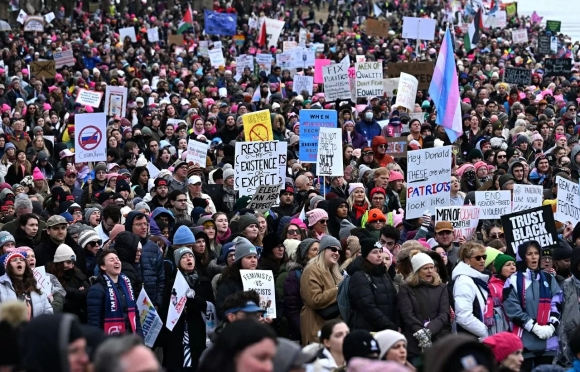
Still, the momentum shows little sign of slowing. New clips continue to surface daily, each adding fresh fuel to an already volatile conversation. Influencers, commentators, and political figures from across the spectrum have weighed in, ensuring that the story remains prominent across feeds and broadcasts.
Whether the protests mark a turning point or fade as attention shifts remains uncertain. What is clear is that the episode has exposed how fragile political discourse can become when grievances, identity, and digital amplification converge.
For now, the controversy continues to ripple outward — a reminder that in modern American politics, a moment on the street can quickly become a test for the nation itself.