WASHINGTON — A growing confrontation between the United States and Venezuela has set off an unusually public clash between Congress and the White House, after the Trump administration seized a Venezuelan oil tanker and carried out a series of lethal maritime strikes that lawmakers say occurred without legal justification or congressional authorization.
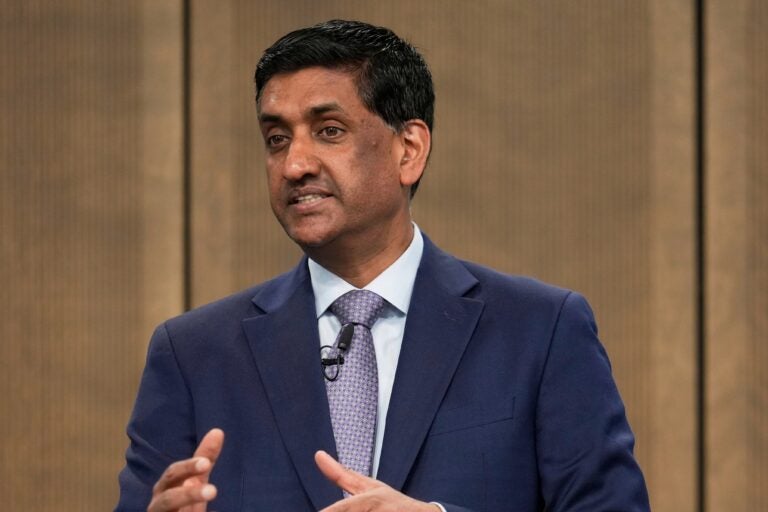
Representative Ro Khanna, Democrat of California and a member of the House Armed Services Committee, said the administration’s sudden escalation had bypassed normal channels of oversight. The committee, he said, expects a classified briefing next week — a delay he called unacceptable.
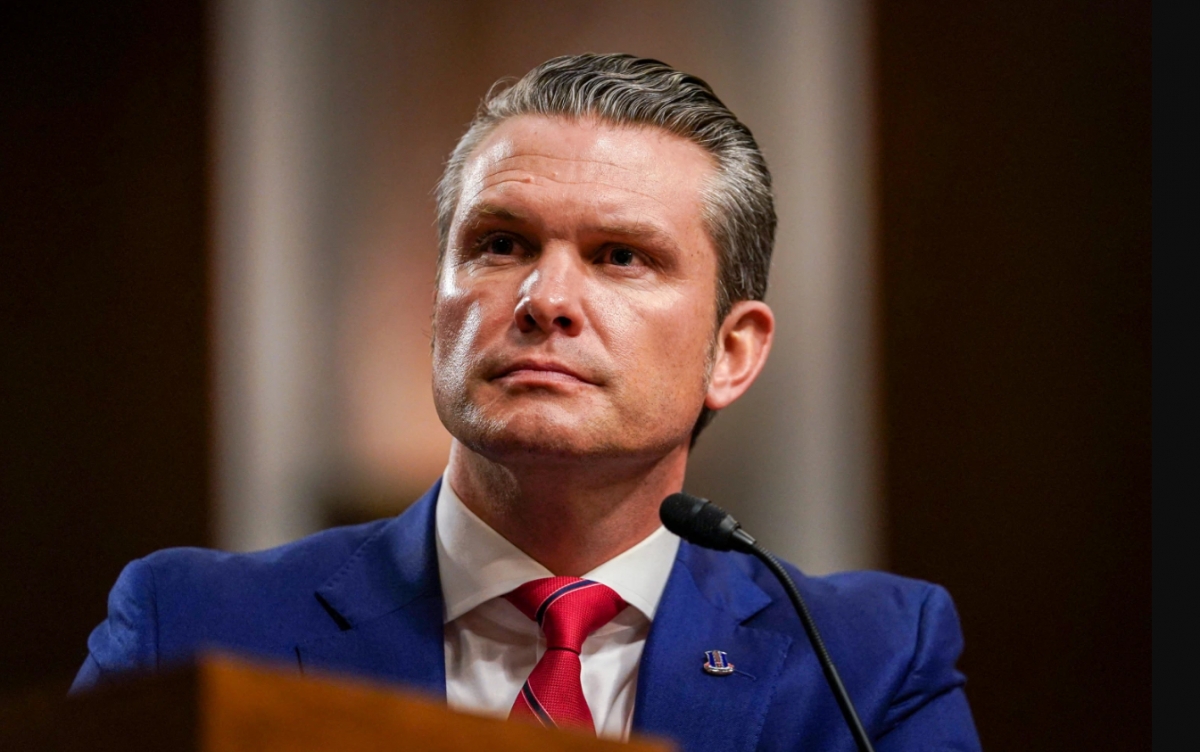
“Pete Hegseth needs to come before my committee in front of the American people, not behind closed doors,” Khanna said, referring to the Pentagon official overseeing the operation. “He needs to answer why he struck a boat a second time when they were unarmed men ready to surrender — and why the United States is drifting into a regime-change war in Venezuela.”
An Escalation Amid Silence
While the United States has seized foreign vessels before, lawmakers and analysts say the current campaign is different: unusually secretive, aggressively paced, and largely unexplained. Top intelligence officials, including members of the so-called Gang of Eight, were not given advance notice. Neither were leaders of congressional defense committees.
“They haven’t given any advance heads-up about their strategy or plan,” Khanna said. “This is not how these operations are normally conducted.”
Administration officials have simultaneously increased the U.S. military presence near Venezuela, expanding naval deployments and intelligence operations in ways that critics say go well beyond maritime enforcement. Several officials have openly suggested that pressure on President Nicolás Maduro is intended to force him from power — an approach Khanna described as “a regime-change effort they’re not hiding.”
Financial Interests and Legal Ambiguity
The tanker seizure, intended to block Venezuela’s sale of crude oil, has also heightened scrutiny of how U.S. agencies are handling the revenues and assets involved. Some commentators questioned whether the United States stands to benefit financially from the operation — and where those funds are directed.
“What I still don’t understand is where that money is going,” one analyst said in the interview. “Is it going into a fund somewhere? Who controls it?”
Critics emphasized that previous U.S. vessel seizures relied on transparent legal processes, warrants, and documented evidence. The current action, they argue, departs sharply from precedent.
“They are using a sliver of historical fact to justify a legally dubious operation,” one commentator said. “If Americans are going to be put at risk in a war in Venezuela, the administration has not explained what this is all for.”
The White House’s unusually sweeping approach — from maritime strikes to economic pressure — has led several lawmakers, including Republicans Michael Turner and Don Bacon, to question whether the president is acting within constitutional limits.
“The president has made zero case for what they’re doing in Venezuela,” Bacon said in a statement. “Nobody knows what the mission is.”
A Potential War Powers Clash
Support for a War Powers Resolution appears to be growing in both parties. Khanna, who has frequently pushed for limits on overseas military action, said the administration’s rapid escalation has revived bipartisan concern about “endless foreign wars” and the erosion of congressional authority.
“Do you really want American lives at stake in a regime-change war?” Khanna asked. “This is not what voters were promised.”
The administration’s rhetoric has only intensified those concerns. In recent weeks, officials have referred to the Pentagon by its historical name — the Department of War — and framed the Venezuela campaign as part of a broader effort to project U.S. strength.
But critics argue that the approach has already produced civilian casualties in the Caribbean, including in a recent strike on a vessel that, according to reporting, was not heading toward U.S. territory.
“People are dying,” one analyst said. “We were not doing random deadly strikes all over the Caribbean until now.”

Echoes of Past American Interventions
Foreign-policy analysts have noted the administration’s invocation of the Monroe Doctrine — the 19th-century policy asserting U.S. influence over the Western Hemisphere — as well as comparisons to the 1989 U.S. invasion of Panama, which removed General Manuel Noriega from power.
“There is a built-in American prerogative they are relying on,” one expert said, warning that the strategy risks destabilizing the region. “But invoking the Monroe Doctrine in 2025 has consequences far beyond Venezuela.”
Global Repercussions and a Political Backfire
Even critics of Maduro acknowledge the Venezuelan president may benefit politically from the tanker seizure. For years, Maduro has accused Washington of seeking to “steal Venezuela’s oil.” By taking control of a tanker, analysts say, the United States has effectively validated his narrative.
“He’s been saying this is all about oil and not democracy,” one commentator said. “The administration has just proven him correct.”
The operation may also give geopolitical leverage to U.S. rivals. If the United States asserts the right to intervene militarily in the Americas, analysts warn, China and Russia could cite the same logic to escalate their own regional ambitions — including China’s claims over Taiwan and Russia’s war in Ukraine.
“Exactly the same argument,” the analyst said. “There is no difference.”
A Region on Edge
The administration’s statements about Colombia — another country it has recently criticized — have raised fears of a wider confrontation. Regional leaders warn that U.S. pressure could strengthen anti-American alliances rather than weaken them.
“Trump may be creating the conditions for new alignments against the United States,” one analyst said. “Not for democracy or human rights, but because countries believe he wants their oil.”
What comes next may hinge on whether Congress forces a public debate — or whether the administration continues acting alone.