What was expected to be a routine appearance by the United States ambassador to Canada took on a sharper edge this week after questions surfaced about Ottawa’s long-term commitment to the F-35 fighter program. The exchange, brief but closely watched, underscored how sensitive the issue has become for both governments—and how much uncertainty still surrounds Canada’s final decisions.
According to people who attended the event, the ambassador’s tone shifted noticeably when asked about Canada’s ongoing review of its fighter jet plans. What began as familiar language about partnership and shared security interests became more pointed, emphasizing the value of interoperability, trust, and long-standing defense cooperation. The change did not go unnoticed in the room, where officials and analysts quickly began parsing what had been said—and what had not.
Neither the embassy nor the Canadian government characterized the moment as confrontational. Still, diplomats say it reflected unease in Washington about a debate that Canada has kept deliberately open. Ottawa has committed to acquiring a number of F-35 aircraft, but it has also signaled that it is reassessing broader fleet requirements, costs, and long-term sovereignty considerations—language that has left room for interpretation.
“The F-35 has always been about more than an aircraft,” said one former Canadian defense official, speaking on condition of anonymity to discuss sensitive matters. “It’s about alignment, supply chains, and how closely your military systems are tied to those of your allies.”
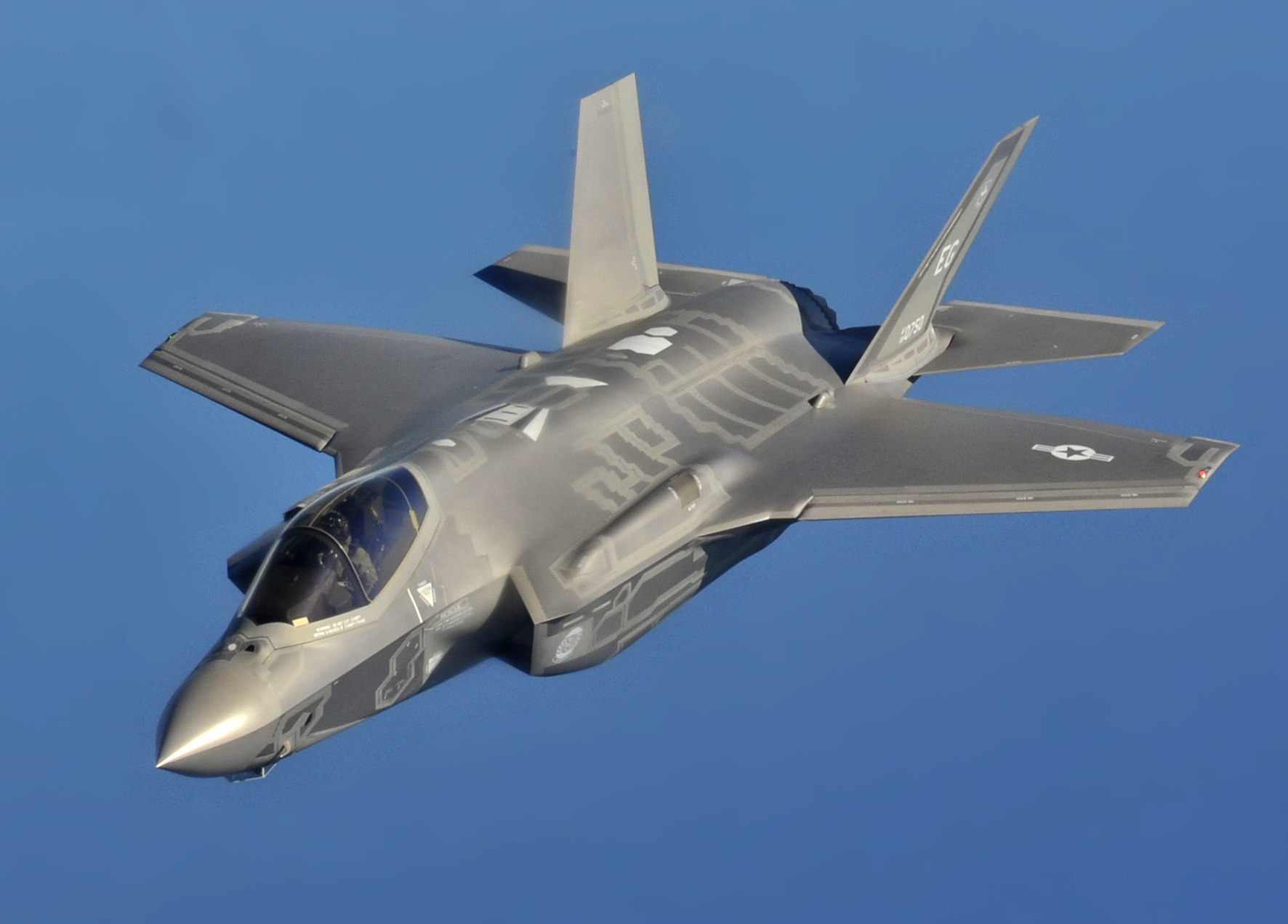
From Washington’s perspective, the stakes are significant. The F-35 program is one of the most ambitious multinational defense projects ever undertaken, binding participants together through shared technology, training, and logistics. Canada has been a partner since the program’s early stages, and American officials have long viewed its participation as a given.
That assumption may now be under quiet review. Canadian officials have offered no public challenge to the deal, but they have also avoided the kind of unequivocal reassurances that once accompanied discussions of the aircraft. In recent months, the government has emphasized affordability, operational flexibility, and control over upgrades—factors that resonate domestically but raise questions among allies accustomed to a more settled narrative.
The ambassador’s remarks, analysts say, reflected that uncertainty rather than a formal warning. “This wasn’t a threat,” said a senior fellow at a Washington-based security think tank. “It was a reminder—delivered publicly—that defense choices carry political and strategic weight.”
In Ottawa, the response has been measured. Government spokespeople declined to comment directly on the ambassador’s tone, reiterating only that Canada values its defense relationship with the United States and continues to evaluate its options in line with national interests. Behind the scenes, officials are said to be keenly aware of the diplomatic sensitivities involved.
Supporters of the F-35 argue that revisiting the issue risks undermining confidence in Canada’s reliability as a partner. They point to the benefits of full integration with U.S. and NATO forces and warn that alternative paths could complicate operations and logistics. Critics counter that scrutiny is overdue, given rising costs and evolving security priorities, particularly in the Arctic.
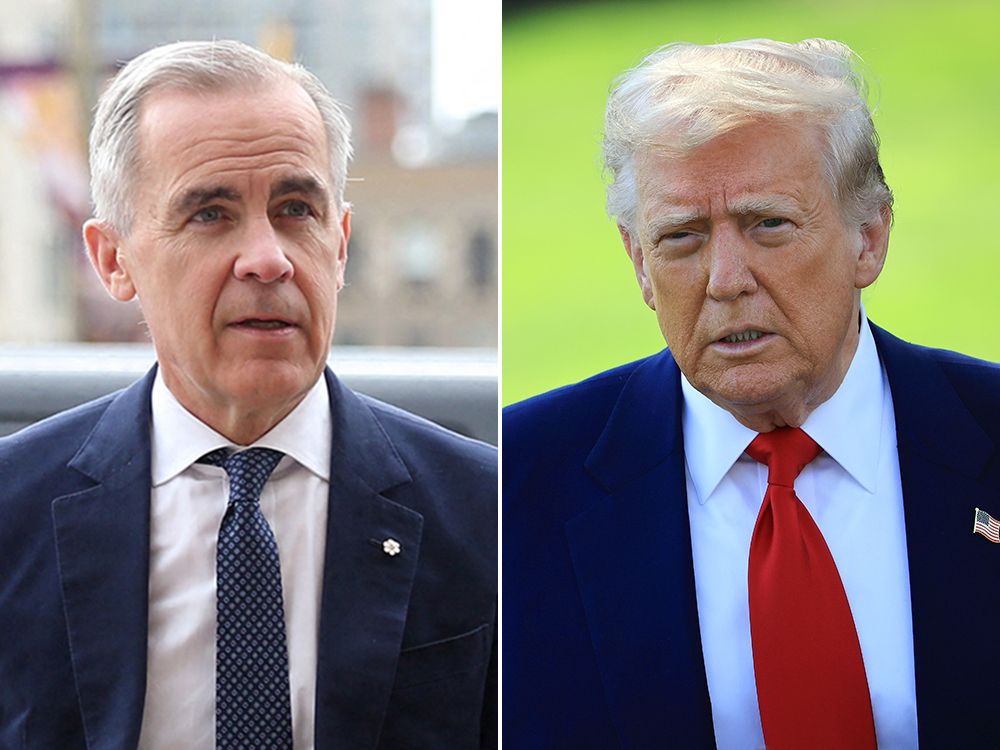
What made the moment notable was not any explicit policy shift, but its visibility. Diplomatic disagreements are typically managed quietly, through private channels. Seeing even a hint of tension play out in public suggested that the issue has reached a more delicate phase.
“This is what uncertainty looks like,” said a Canadian academic who studies alliance politics. “Not open conflict, but carefully chosen words, pauses, and an absence of guarantees.”
The broader context matters. Canada is navigating a complex international environment marked by trade friction, shifting security demands, and growing pressure to demonstrate both independence and reliability. Decisions about defense procurement have become symbolic, reflecting how the country balances sovereignty with alliance commitments.

For now, both sides are signaling restraint. Washington has not escalated its rhetoric, and Ottawa has not announced any change in course. Yet the exchange has sharpened attention on a question long assumed to be settled.
Whether the F-35 debate ultimately leads to adjustments or simply reinforces existing plans remains unclear. What is evident is that assumptions once taken for granted are being tested—and that even brief moments can reveal how much is at stake when those assumptions are questioned.