On the surface, Ottawa’s government district looks much as it always does: orderly, deliberate, and calm. Inside meeting rooms, however, a different atmosphere appears to be taking shape. According to multiple people familiar with the matter, a series of closed-door discussions involving senior officials and policy advisers has been unfolding in recent days, drawing quiet attention from political and economic observers.
No formal agenda has been released. Government spokespeople have declined to comment, offering only standard assurances that officials regularly meet to discuss a range of issues. Yet the timing and intensity of these sessions have prompted speculation that something more consequential may be under consideration.
Those with knowledge of the talks describe them as unusually compressed and wide-ranging. Rather than focusing on a single portfolio, the discussions are said to cut across trade, security, and long-term economic planning. Participants have reportedly included figures from multiple departments, as well as external advisers with experience in international negotiations and strategic policy.
“That breadth is what stands out,” said one former senior official, speaking on condition of anonymity to avoid speculation about ongoing deliberations. “When you see that many policy threads pulled together at once, it usually means decisions are being weighed that don’t fit neatly into one box.”
Such moments are not uncommon in government, but they often precede shifts that only become visible later. Trade realignments, defense partnerships, and industrial strategies are frequently shaped in private before emerging as faits accomplis. By the time the public debate begins, the broad outlines are already set.
Analysts note that the current global environment adds weight to the speculation. Canada is navigating a period of heightened uncertainty marked by volatile trade relations, evolving security dynamics, and growing pressure to position itself for long-term economic resilience. In that context, silence can be as telling as rhetoric.
“When governments go quiet during periods of global flux, it’s usually because options are still being stress-tested,” said Fen Hampson, a professor of international affairs at Carleton University. “Public statements can lock you in. Silence preserves flexibility.”

Insiders suggest that some officials involved in the talks are reassessing earlier assumptions. Positions that once seemed settled may now be under review, driven by changing external conditions and internal constraints. That sense of recalibration has reportedly created tension, as different factions weigh risks and opportunities differently.
Supporters of the government caution against reading too much into the reports. They argue that Ottawa routinely conducts sensitive discussions behind closed doors and that confidentiality is essential for effective governance. From this perspective, the meetings reflect prudence rather than crisis.
“This is how serious policy work gets done,” said one government ally. “Not every meeting needs to be telegraphed to the public before decisions are mature.”
Critics, however, see the lack of transparency as a warning sign. Opposition figures have raised concerns about accountability, arguing that decisions with potential international ramifications should not be shaped entirely out of public view. They contend that the absence of information fuels uncertainty rather than containing it.
“Silence doesn’t calm people,” said one opposition lawmaker. “It invites speculation, especially when the stakes are clearly high.”
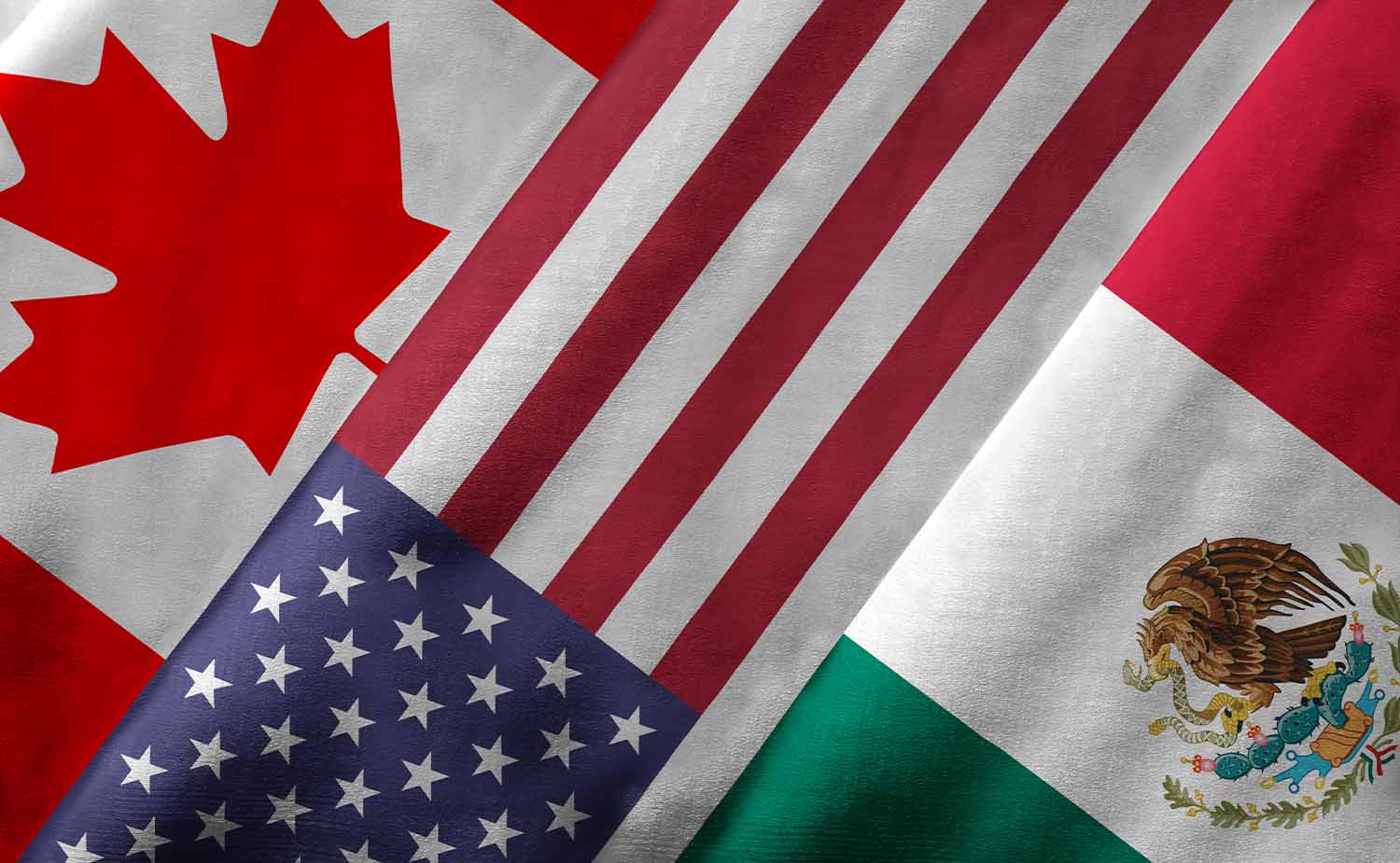
Historically, moments like this have often marked inflection points in Canadian policy. The negotiation of major trade agreements, shifts in defense procurement, and responses to financial crises have all followed a familiar pattern: intense internal deliberation, limited public comment, and eventual announcements that appear sudden only because the groundwork was invisible.
What makes the current situation notable is the convergence of pressures. Trade relationships are being tested by tariff disputes and geopolitical rivalry. Security planning is evolving in response to Arctic dynamics and alliance expectations. Economic strategy is under strain as governments grapple with inflation, industrial policy, and the demands of technological change.
In such an environment, even incremental decisions can have outsized consequences. A change in posture, a recalibration of priorities, or a decision to delay or accelerate a policy can ripple far beyond Canada’s borders.
For now, the absence of confirmation leaves room for multiple interpretations. Some observers believe the meetings could lead to modest adjustments rather than sweeping change. Others suspect that Ottawa is preparing for scenarios it would rather not discuss publicly until choices are finalized.
What is clear is that attention is building. Diplomats, investors, and allied governments are watching closely for signals—however subtle—that might indicate where Canada is headed next. In the interconnected world of modern policy, even silence can send messages.
Whether these closed-door talks result in a significant shift or merely reflect careful contingency planning may not be known for some time. But history suggests that when governments grow quiet amid mounting pressure, they are often standing at a crossroads, weighing paths whose implications will only become clear long after the doors reopen.