Second Virginia Grand Jury Rejects DOJ Effort to Indict New York AG Letitia James on Mortgage Fraud Charges
A second federal grand jury in Virginia has declined to indict New York Attorney General Letitia James on mortgage fraud allegations advanced by the Trump Department of Justice, marking another setback for prosecutors amid mounting questions about the credibility and legal basis of the case.
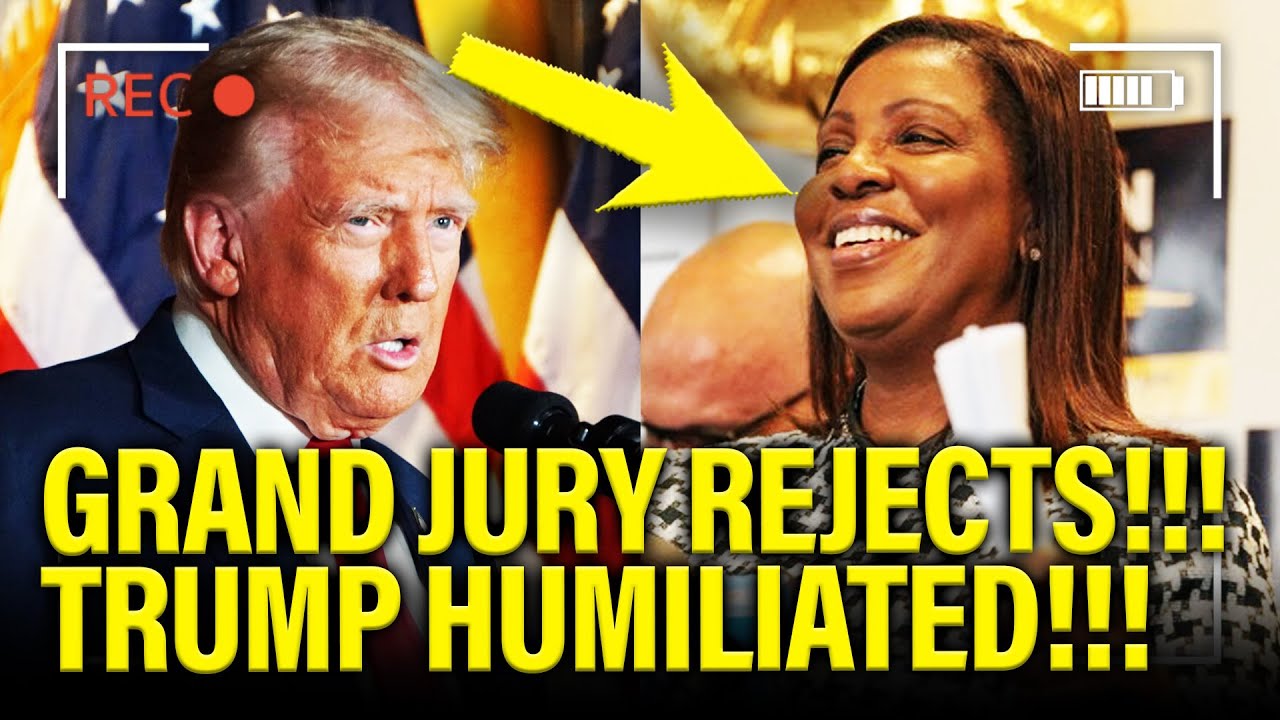
The latest rejection came from a grand jury seated in Alexandria, Virginia, just one week after a separate grand jury in Norfolk declined to bring charges. Combined, the decisions represent two consecutive refusals by panels of ordinary citizens asked to consider whether James engaged in criminal wrongdoing related to a mortgage on a modest property she owns in Virginia.
The Trump-era DOJ has argued that James falsely claimed the residence as a second home to secure a slightly lower interest rate. According to public reporting and statements from James’s attorney, however, the property is occupied by a family member, is not rented out, and is used by James when she is in the state. Banks conducting underwriting reviews were reportedly aware of James’s other properties and her position as New York’s attorney general.
Legal experts note that the case hinges on whether James intentionally misled a lender for financial gain — a claim that so far has failed to persuade two grand juries. Prosecutors must secure at least 14 affirmative votes from a grand jury to issue an indictment.
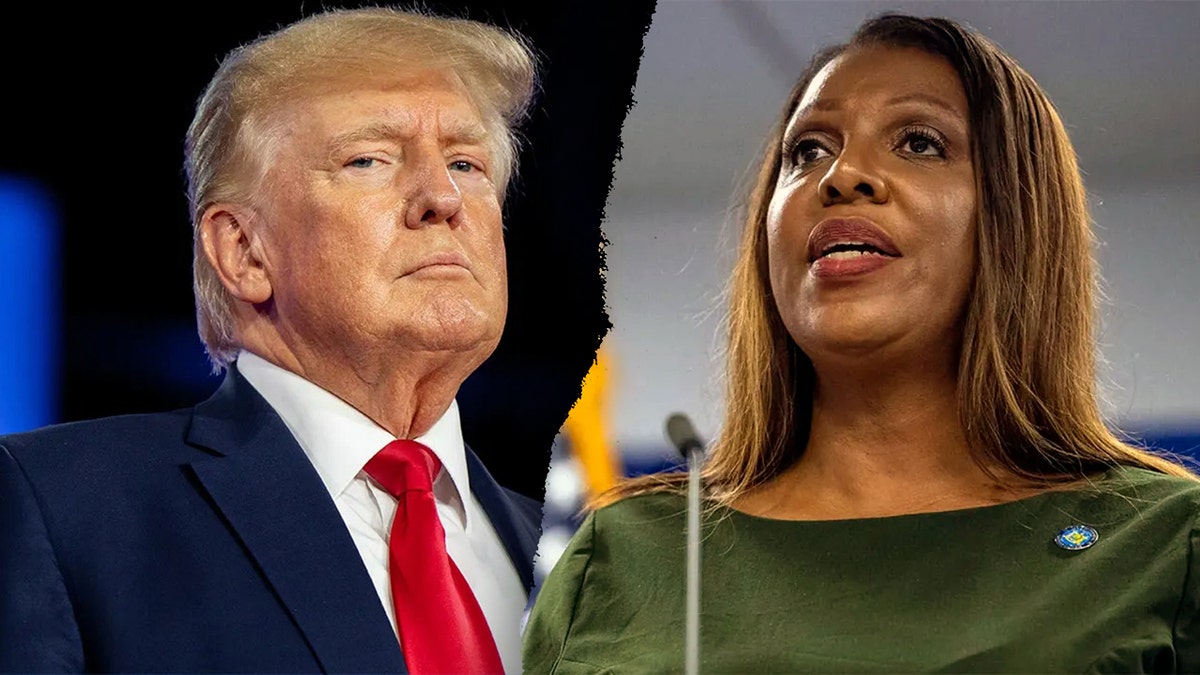
The effort to pursue the charges has drawn additional scrutiny due to controversy surrounding former acting U.S. attorney Lindsay Halligan, who previously led the investigation until a federal judge ruled she had been improperly appointed. That ruling resulted in earlier indictments being tossed, including those involving former FBI director James Comey and James herself. Those dismissals were issued without prejudice, allowing prosecutors to seek new indictments — a process that has now faltered twice.
With Halligan removed from the case, prosecutors reportedly dispatched veteran Justice Department attorney Robert McBride to present the matter to the grand jury in Alexandria. McBride, a semi-retired former assistant U.S. attorney, was brought in to stabilize the investigation after internal disagreements and personnel turnover. Yet the shift in leadership did not alter the outcome.
Prosecutors’ movement between jurisdictions — first Norfolk, then Alexandria — has been widely interpreted as “forum shopping,” an attempt to locate a grand jury more receptive to the allegations. But observers note that publicity surrounding the case has made it difficult for prosecutors to overcome skepticism, especially given the highly unusual nature of pursuing a criminal charge involving a sitting state attorney general over a relatively small financial discrepancy.
Documents released publicly indicate the alleged financial advantage at issue totals roughly $17,000 spread across a 30-year mortgage — approximately $50 per month — based on an interest-rate distinction between a rental property and a second home.
Within the Justice Department, internal dissent appears to have emerged early. A former senior federal prosecutor in Norfolk reportedly warned Halligan that the evidence did not support a criminal case and advised against presenting it to a grand jury. She was later dismissed.
Although the statute of limitations has expired on the related Comey case, prosecutors technically retain time to pursue charges against James. Still, two successive rejections by grand juries cast doubt on the likelihood of a successful future attempt.
For now, the collapse of the case in both Virginia jurisdictions underscores the growing tension between rank-and-file judicial processes and an embattled Justice Department pushing forward with prosecutions that critics — including some current and former DOJ officials — view as legally tenuous and politically motivated.