In a rare and unusually theatrical diplomatic move, Russia summoned the United States ambassador to Moscow late Tuesday after a long-range Ukrainian strike landed deep inside Russian-held territory — a strike the Kremlin immediately framed as evidence of direct American involvement in the war. The episode, according to U.S. and European officials, has set off a round of urgent consultations in Washington and raised new questions about how quickly the conflict could broaden beyond Ukraine’s borders.

The strike itself, carried out with a level of precision that surprised even seasoned analysts, hit a logistics hub inside Russian-occupied territory that has served as a staging ground for Moscow’s operations in eastern Ukraine. While Ukrainian officials offered no public comment, American intelligence agencies have been quietly examining details of the operation, including whether the attack relied in part on U.S.-supplied systems or targeting data.
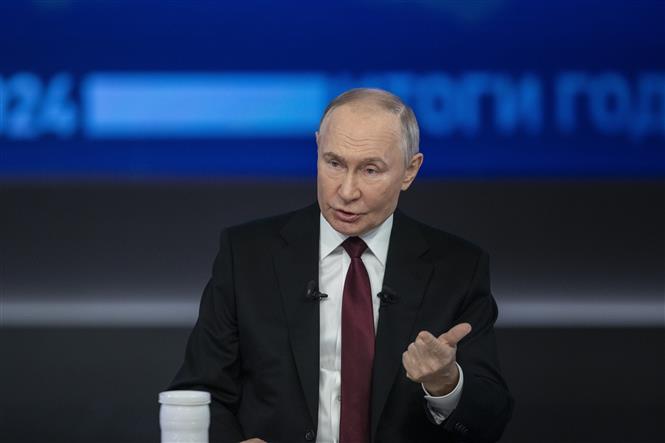
The Kremlin seized on that ambiguity almost instantly. Within hours, Russia’s Foreign Ministry called in the U.S. ambassador for what it described as a “decisive protest,” an act clearly designed not only for diplomatic signaling but also for a domestic audience. Russian state television launched into a wave of commentary suggesting that Washington, not Kyiv, was the true architect of the strike — a narrative the Kremlin has attempted to advance repeatedly as it seeks to depict the war as a confrontation between global powers rather than an invasion of a sovereign neighbor.
Behind closed doors, however, American officials were focused on a different detail. Several U.S. agencies, according to people familiar with internal discussions, flagged a technical aspect of the strike that has not been publicly disclosed — one senior official described it as an “unexpected data point” — and circulated an urgent briefing request through the national security apparatus. The White House, the Pentagon, and European Command exchanged assessments as they worked to determine whether Russia’s furious response indicated a shift toward more dangerous forms of retaliation, or whether it was primarily aimed at shaping global perception of the conflict.
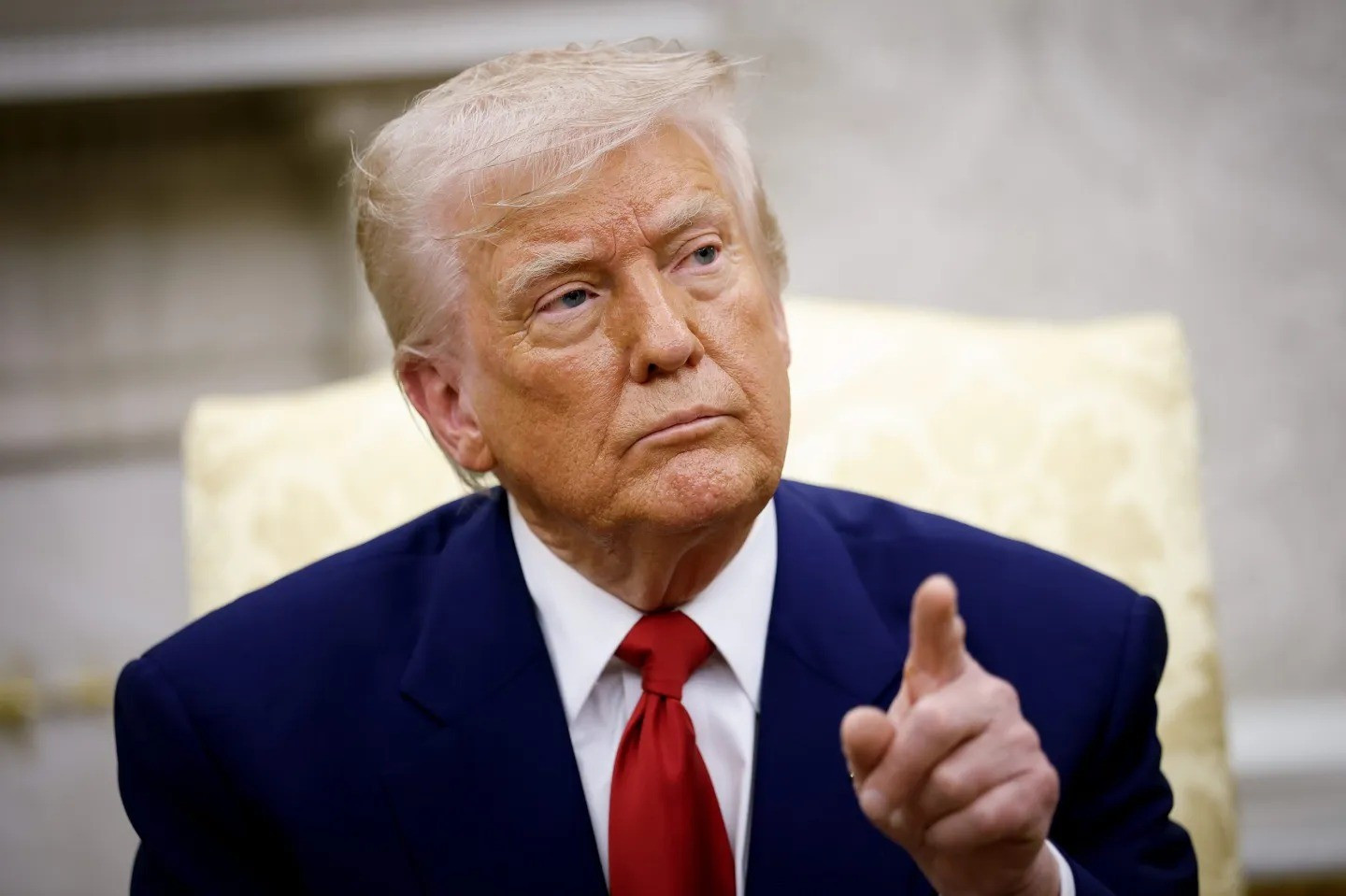
For the Biden administration, the episode touched a longstanding dilemma: how to continue supporting Ukraine’s defense without allowing Russia to recast the war as a direct confrontation with the United States. American officials have consistently said that Ukraine has the right to target military infrastructure used to attack its cities, including facilities located in Russian-held territory. But they have also sought to limit escalation by restricting certain weapons, managing diplomatic communications, and avoiding statements that could be construed as endorsing strikes inside Russia’s internationally recognized borders.
“This is precisely the sort of moment when Russia attempts to blur legal lines and political narratives,” said one former U.S. ambassador to a European ally. “A Ukrainian strike becomes, in Moscow’s telling, an American one. And the purpose is to intimidate Western governments while justifying whatever response the Kremlin is preparing.”
Russian officials issued a stern warning after the ambassador’s summons, but there were no immediate signs of military escalation beyond intensified rhetoric. American intelligence agencies monitored Russian troop movements, cyber activity, and missile posture through the night but did not detect shifts suggesting imminent large-scale retaliation, according to two officials briefed on the assessments.
Still, the political reverberations in Washington were significant. Lawmakers from both parties sought briefings on the strike, with some Republicans accusing the administration of underestimating the risk of spillover and some Democrats urging the White House not to allow Russian threats to dictate U.S. policy.
European allies, meanwhile, watched the exchange with increasing concern. Several NATO diplomats reached out to Washington for clarity on whether Russia’s reaction represented a new phase of pressure that could soon expand to include cyberattacks, energy coercion, or more aggressive messaging aimed at splitting the alliance.
In Ukraine, residents in several cities faced renewed waves of Russian missile and drone attacks overnight — strikes that appeared intended to reinforce Moscow’s message that any Ukrainian success on the battlefield will be answered with broad punitive measures. Local officials reported widespread outages and damage to civilian infrastructure, even as Ukrainian air defenses intercepted a majority of the incoming fire.
The broader question now confronting U.S. and European policymakers is whether Russia’s response marks the beginning of a more overt effort to rewrite the strategic framework of the war. Analysts noted that the Kremlin has long sought to shift international perception by portraying itself as resisting Western encirclement rather than prosecuting an unprovoked invasion. Tuesday’s escalation fit squarely within that narrative strategy.
For the United States, the challenge is balancing deterrence with de-escalation — upholding Ukraine’s right to defend itself while avoiding steps that could fuel Moscow’s claim that the conflict has entered a new, more dangerous stage.
“Moments like this test the resolve of democratic alliances,” said a former Pentagon official familiar with Ukraine policy. “If the U.S. steps back under pressure, it signals to adversaries worldwide that intimidation works. If it stands firm, it reinforces a rules-based order but also raises the stakes. There is no risk-free option.”
As both Washington and Moscow calculate their next moves, the underlying uncertainty remains: whether this latest strike was an isolated flashpoint or the first tremor in a deeper confrontation neither side wants to name openly — at least not yet.