Trump’s Call for ‘Treason Trials’ Sends Shockwaves Through an Already Fractured Washington.
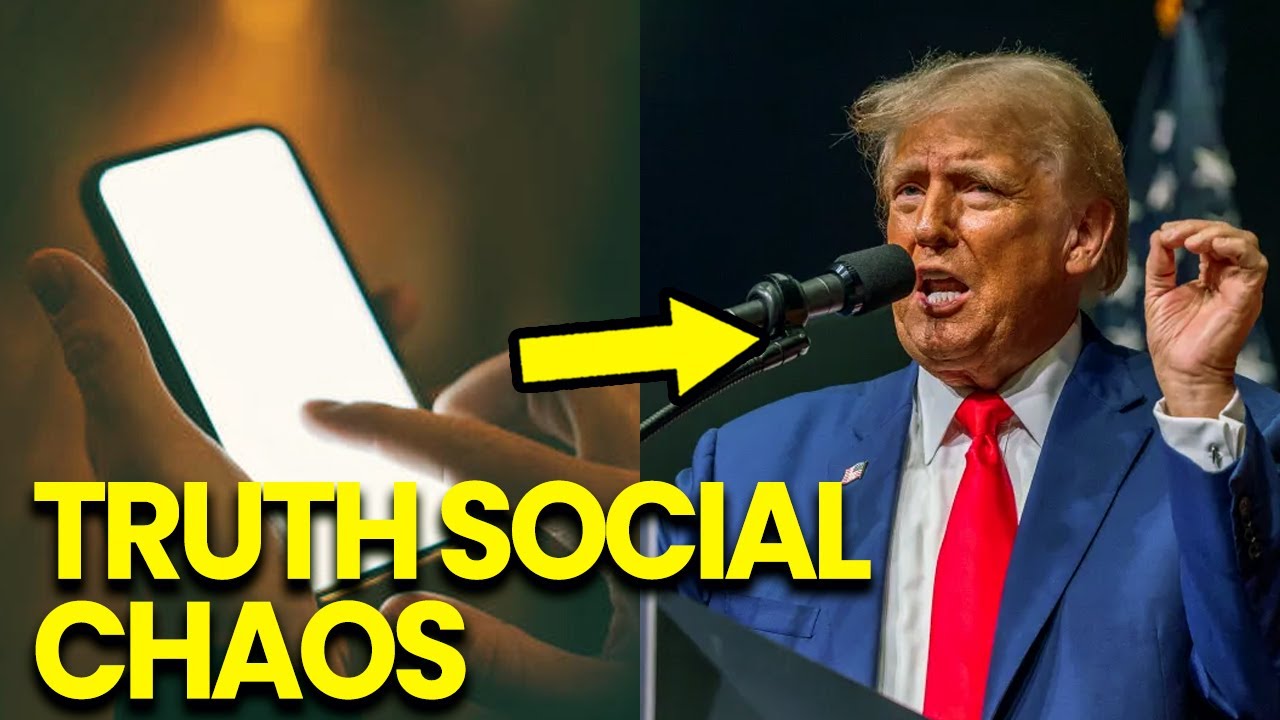
In the chaotic political landscape of Washington, few late-night developments capture the city’s attention quite like a presidential outburst on social media. So when President Trump posted an incendiary demand for “treason trials” on Truth Social late Tuesday night, even veteran observers paused. The message, written with a ferocity rarely displayed outside campaign rallies, reverberated through a capital already strained by division, legal uncertainty, and a widening ideological gulf within the Republican Party.
According to officials familiar with the matter, the post was not an impulsive midnight expression of frustration, as has often been the case in previous administrations, but reportedly stemmed from a tense, classified briefing earlier in the evening. Although the content of the briefing remains undisclosed, two aides, speaking on condition of anonymity because they were not authorized to discuss the matter publicly, described the president as “agitated” and “determined to escalate” shortly before retreating into his private residence. What followed was a message that carried the unmistakable cadence of political warfare: an open call for investigations, prosecutions, and a sweeping reassessment of what he described as “subversive actors” undermining the nation.
The post ignited immediate reaction across Washington’s political ecosystem. Supporters amplified it with celebratory rhetoric, framing it as a bold stand against what they consider entrenched institutions hostile to the president’s agenda. Detractors, however, warned of the dangerous precedent such language sets, fearing it could embolden extremists or erode public trust in judicial independence. Several legal scholars weighed in within hours, emphasizing that “treason,” as defined by the Constitution, is among the most narrowly interpreted crimes in American law — and almost never applied in modern political disputes.
Inside the West Wing, the fallout was swift. Staffers, already accustomed to volatile news cycles, described a “scramble for clarity” as advisors attempted to reinterpret the president’s words for anxious lawmakers and foreign diplomats seeking reassurance. One senior official, in a candid moment, admitted that “a single late-night post can derail an entire week of planned messaging,” particularly at a time when the administration is confronting rising economic pressure, questions about foreign policy coherence, and growing discontent among moderates.
Republican lawmakers were noticeably split. Several staunch allies echoed the president’s demand, arguing that the country faces unprecedented institutional sabotage that must be confronted head-on. Others, especially those facing difficult re-election campaigns in swing districts, were more cautious. One senator privately remarked that the statement “creates more problems than it solves” and risks alienating voters exhausted by constant political conflict. Democratic leaders, unsurprisingly, seized on the moment as evidence of what they characterize as the president’s increasingly erratic leadership.
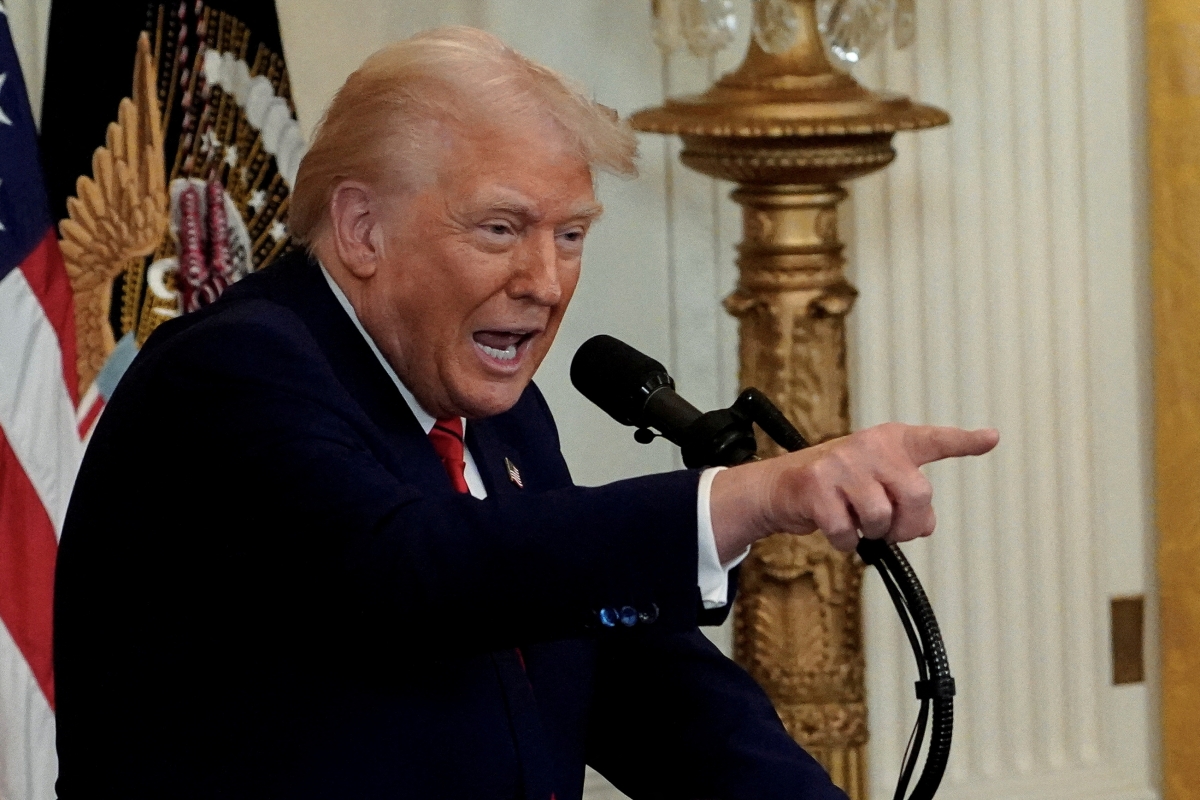
While the post dominated headlines, the more consequential discussion emerged from whispers extending beyond the digital commotion. Multiple insiders claim the message may foreshadow an aggressive new political strategy — one aimed at consolidating executive authority, marginalizing internal dissent, and reframing investigations into the administration as politically motivated assaults. Though such claims remain speculative, they reflect growing concern within the national security community about the administration’s willingness to blur lines between political messaging and the justice system.
Truth Social itself became the epicenter of the storm. Engagement surged, with the president’s declaration rapidly becoming one of the platform’s most shared posts of the month. Yet beneath the digital momentum lies a more complicated reality: the country remains deeply polarized, and every rhetorical escalation risks widening the divide. Analysts note that while the president’s supporters find strength in his defiance, his critics see a destabilizing impulse that undermines democratic norms.
By Wednesday morning, cable news networks had pivoted fully to the story, offering wall-to-wall coverage and dueling interpretations. One program highlighted the historical rarity of treason charges, while another speculated about potential targets of the president’s accusation. Pundits parsed each word of the post with the intensity typically reserved for economic forecasts or judicial rulings.
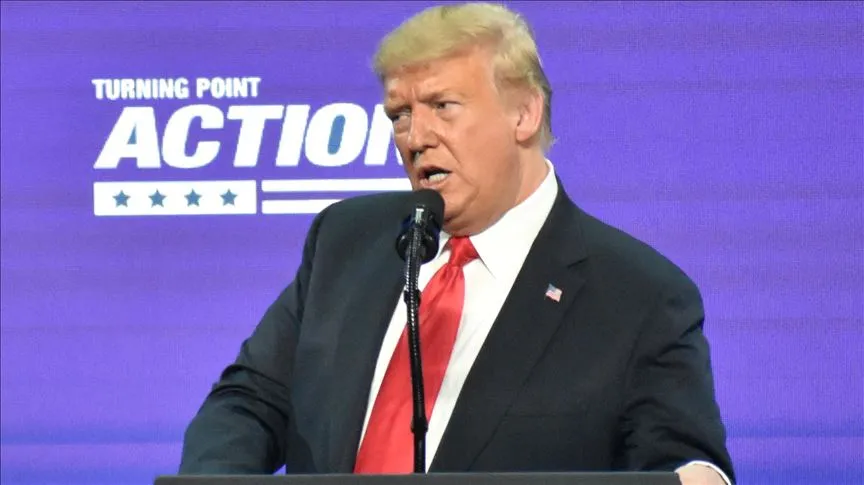
At the heart of the controversy, however, lies a broader question: what does political accountability mean in an era when public discourse is increasingly shaped by real-time digital expression? As the nation moves deeper into a period defined by volatility, mistrust, and fractured institutions, the president’s message serves as a stark reminder of how swiftly a single statement — typed, posted, and disseminated within minutes — can reshape the national conversation.
Whether the late-night rallying cry signals a new phase of confrontation or simply the latest tremor in an era defined by political turbulence remains to be seen. For now, the city watches closely, waiting for the next post, the next escalation, and the next moment when online rhetoric spills once again into the country’s political bloodstream.