Canada’s Quiet Defiance: When Trump’s Trade Bluster Met Reality
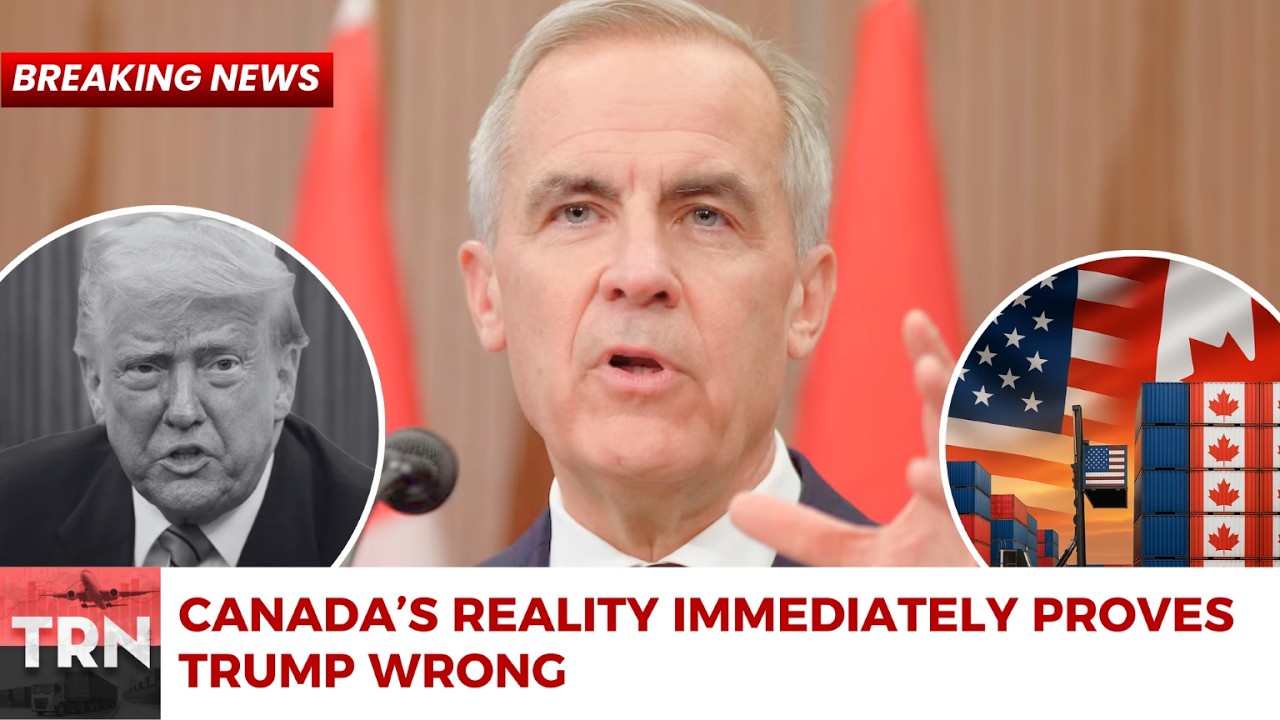
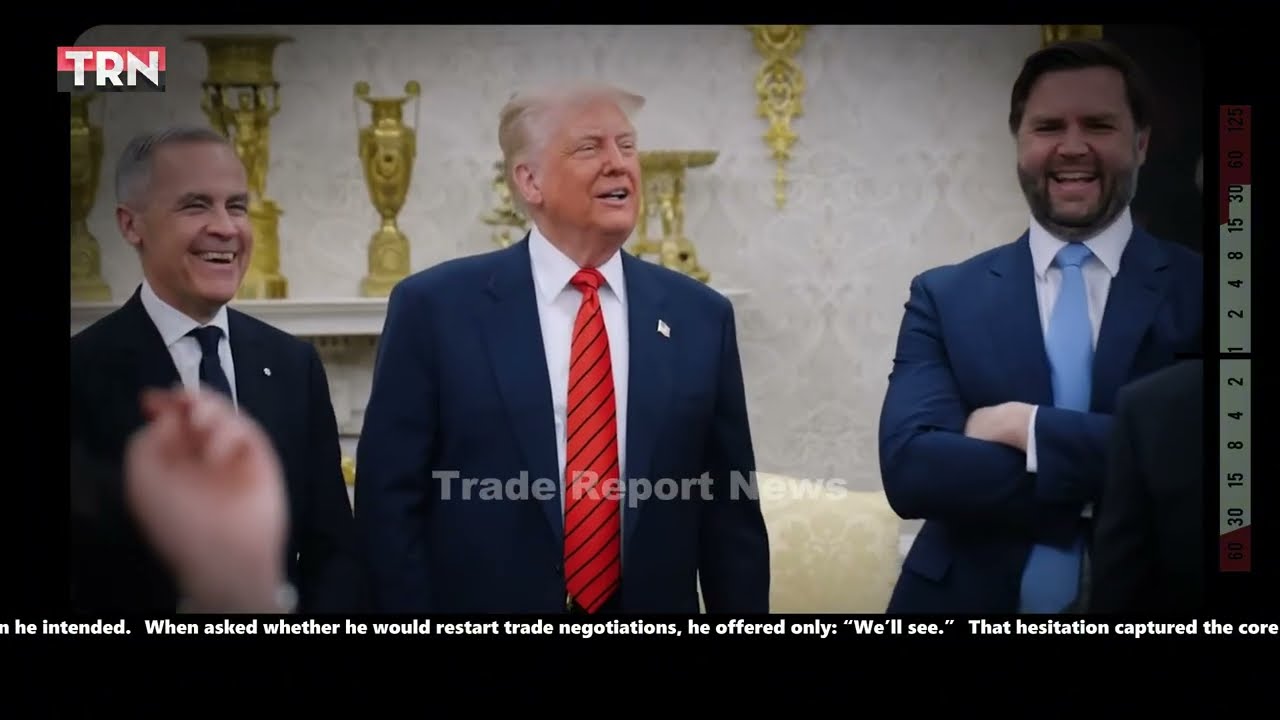
WASHINGTON — In a brief exchange at the Kennedy Center last month, President Trump was asked whether he would restart stalled trade negotiations with Canada. His reply — “We’ll see” — followed by a quip about Canadian hockey prowess, was vintage Trump: light, evasive, and dismissive. Yet beneath the banter lies a deeper shift in North American power that the administration appears not fully to grasp.
Canada, under Prime Minister Mark Carney, is no longer waiting for Washington to decide its fate. While Mr. Trump improvises policy through midnight tweets and sudden tariff announcements, Ottawa has methodically built an alternative economic architecture that reduces dependence on its southern neighbor. The contrast between American unpredictability and Canadian discipline has rarely been starker.
The numbers tell part of the story. The United States remains Canada’s largest trading partner, but non-U.S. exports now account for a growing share of Canadian trade. Ottawa has set an ambitious target to double those exports within a decade, and progress is already visible in new agreements with the European Union, South Korea, Japan, the United Arab Emirates, and even cautious reopening of channels with China. Investors have taken note: companies from Volkswagen to Hyundai increasingly view Canada as the more stable North American bet.
The dependency runs both ways, however, and this is where Mr. Trump’s casual dismissal — “Canada makes a lot of things that we don’t need” — collides with reality. American refineries are engineered for Canadian heavy crude; domestic light oil cannot fully replace it. Canadian aluminum, nickel, cobalt, and electricity flow south in volumes no combination of domestic or alternative foreign supply can match without years of investment and higher costs. When Canada redirected aluminum to Europe earlier this year in response to a 50 percent tariff, the price spike was felt not in Ottawa, but in Michigan auto plants and Texas canneries.
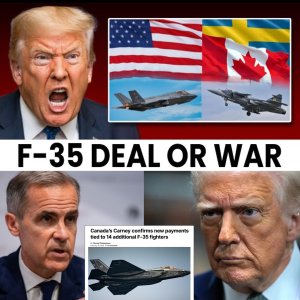
Perhaps the clearest signal of Canada’s new confidence came last week when Ottawa confirmed it is seriously reviewing Sweden’s offer of full technology transfer for the Gripen fighter jet — a direct alternative to the American F-35. For a president who has made “buy American” defense sales a cornerstone of alliance management, the prospect of a core NATO partner manufacturing and potentially exporting a non-U.S. combat aircraft is more than symbolic. It is a quiet declaration that Canada will no longer automatically align its security procurement with Washington’s industrial priorities.
Across Asia, similar doubts are surfacing. Japan and South Korea, once reliable anchors of the U.S.-led order, have balked at demands for massive upfront investments in exchange for tariff relief. Both governments now describe American trade policy as increasingly coercive rather than cooperative. The result is a slow but unmistakable diversification: deeper ties within the Comprehensive and Progressive Trans-Pacific Partnership, new European partnerships, and a Canadian presence that offers predictability where Washington offers volatility.

None of this is dramatic confrontation. Canada has not slammed doors; it has simply opened others. Mr. Carney’s government operates with the measured cadence of a former central banker — no theatrics, no threats, only steady execution. That very restraint magnifies the impact. In an era when American policy swings with each news cycle, reliability itself has become a strategic asset.
The approaching 2026 review of the United States-Mexico-Canada Agreement looms as a reckoning. Washington can continue to treat trade as a zero-sum leverage game, or it can recognize that the integrated North American economy it claims to defend functions only when all three partners see mutual benefit. Canada has already begun preparing for a world in which the old assumptions no longer apply. The question for the United States is whether it will adapt before the gap becomes unbridgeable.
For now, the continent’s economic center of gravity is shifting — not through shouting, but through the quiet certainty of a neighbor that has decided its future will no longer be dictated from the south.