Canada’s Quiet Rebellion: How a 50% Aluminum Tariff Backfired on Trump
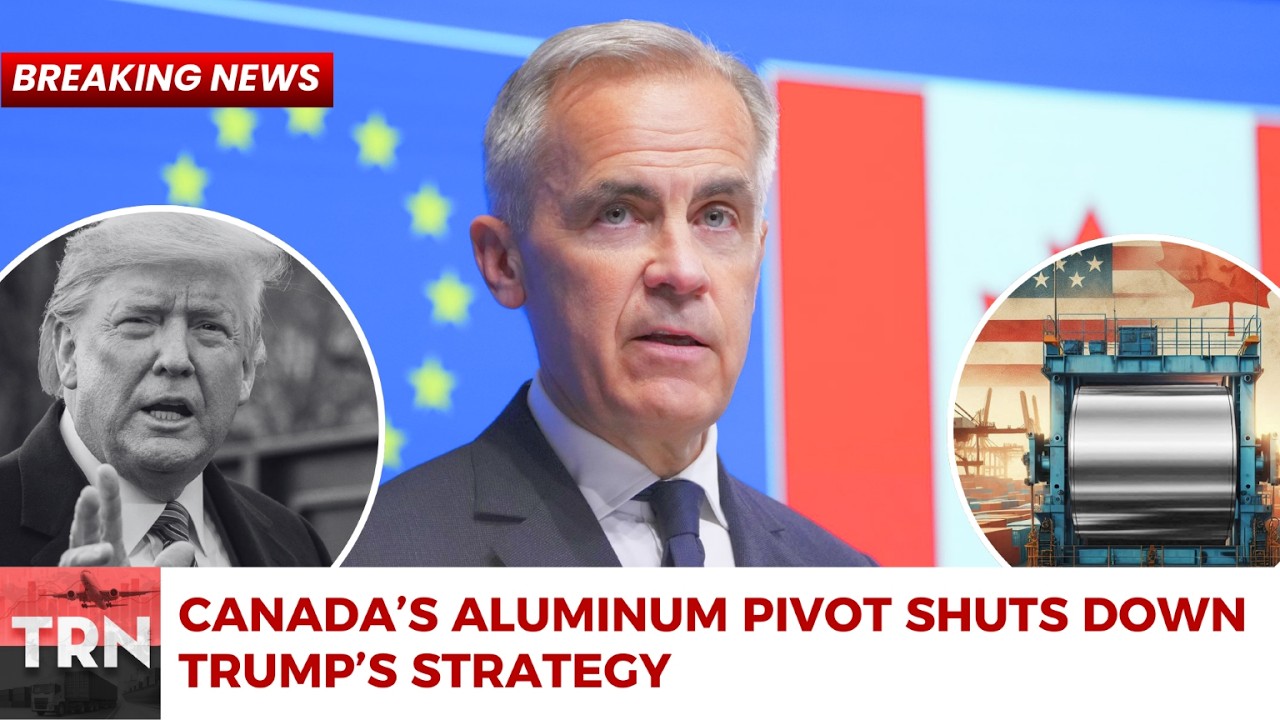
OTTAWA — When the Trump administration imposed a 50 percent tariff on Canadian aluminum in June 2025, the intended message was unmistakable: America First would no longer tolerate what the White House called “unfair” metal inflows. Officials in Washington expected Ottawa to negotiate quickly, perhaps concede quotas or subsidies. Instead, Canada did something simpler and, for the United States, far more painful: it stopped selling.
Within weeks, Canadian producers rerouted roughly 45 percent of the aluminum that normally flowed south, shipping it to Europe and retaining the rest domestically. The move cost Canada an estimated $600 million in short-term revenue but exposed a reality the administration had either overlooked or deliberately ignored: the United States has no viable domestic substitute for Canadian aluminum. American manufacturers of automobiles, aircraft, beverage cans, and construction materials suddenly faced shortages and steeply higher costs. By late summer, the tariff—meant as punishment—had become an involuntary tax on American consumers and industry.
The episode has become a case study in the limits of unilateral protectionism inside a deeply integrated North American economy. Canada’s smelters, powered largely by hydroelectricity and located near tidewater, can redirect output to Rotterdam or Reykjavik almost as easily as to Detroit or Mobile. Long-standing commercial relationships in Europe absorbed the surplus with little friction. When American buyers eventually capitulated and accepted permanently higher prices, Canadian aluminum began returning—on Canada’s terms.

Prime Minister Mark Carney, a former Bank of England governor who assumed office in early 2025, has made no public gloat. His government’s response was characteristically restrained: let the market speak. Yet the implications are profound. The tariff accelerated Canada’s diversification away from reliance on the American market, strengthened ties with Europe and Asia, and quietly shifted the balance of leverage in bilateral trade. What began as a Trump gambit has ended, at least for now, as a Canadian masterstroke.
The fallout extends beyond aluminum. Frustrated by repeated tariff threats, Ottawa has begun withdrawing from decades-old auto-sector cooperation agreements, freezing new joint initiatives, and tying future market access for U.S. manufacturers to verifiable long-term investment in Canada. Stellantis and General Motors, which had already begun shifting some production southward, now face the prospect of retaliatory measures that could raise costs for vehicles assembled in the United States.
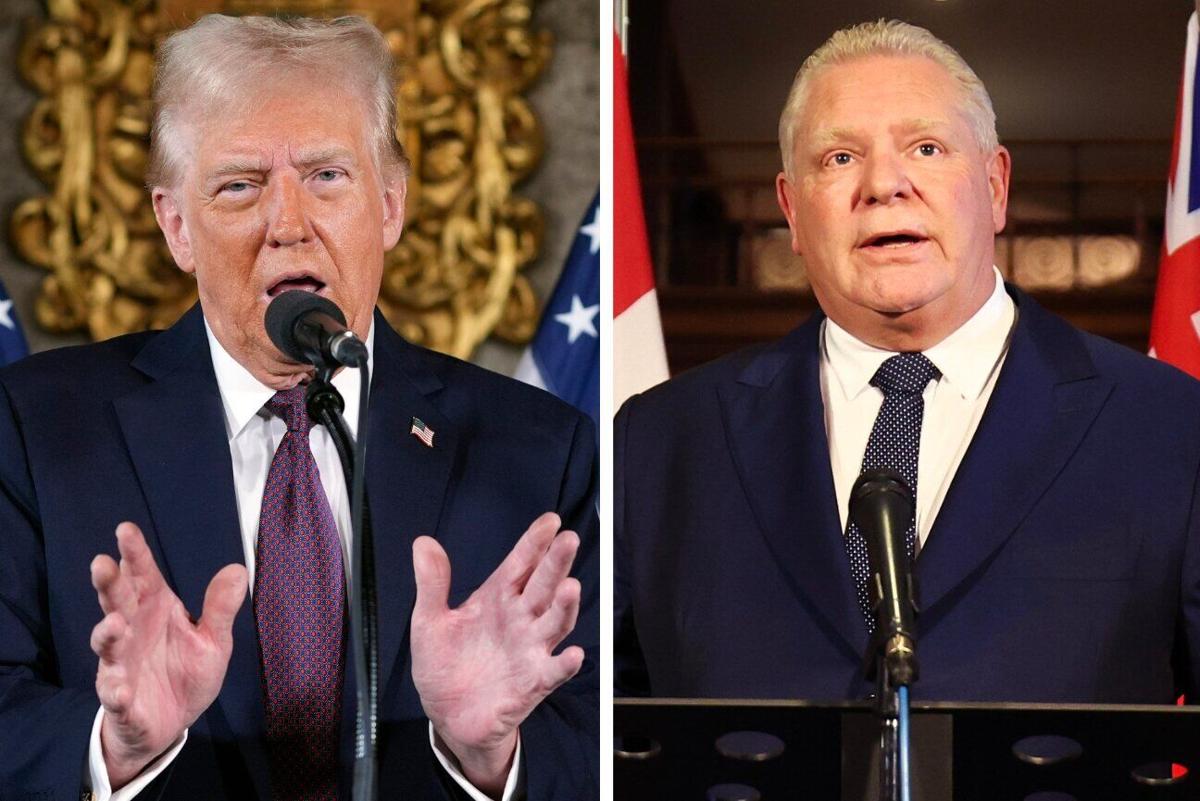
Perhaps most striking has been the domestic American backlash. Governors from Michigan, Ohio, Pennsylvania, and other Great Lakes states—many of them Republicans—publicly criticized the aluminum and steel tariffs at a Quebec City conference in September, warning that they threatened millions of jobs in an industrial corridor that functions as a single economic organism. Gretchen Whitmer of Michigan and Josh Shapiro of Pennsylvania, both Democrats, stood alongside Ontario Premier Doug Ford to argue that punishing Canada ultimately punishes their own constituents.
For Mr. Trump, the episode is an uncomfortable reminder that economic interdependence cuts both ways. The United States remains Canada’s largest trading partner by far, but Canada has demonstrated that it possesses options the White House did not fully anticipate. As one senior Canadian official put it privately, “We spent years being told we had no choice. It turns out we did.”
With the 2026 review of the United States-Mexico-Canada Agreement approaching, Ottawa is signaling that future cooperation will be conditional, not automatic. The aluminum pivot was not an act of retaliation; it was a declaration of strategic maturity. In an era of renewed protectionism, Canada has shown that calm, market-driven adaptation can sometimes prove more powerful than the loudest tariff threat.
The broader lesson may be the most sobering for Washington: in a supply chain as intertwined as North America’s, the country that blinks first is not always the smaller one.