What began as a routine round of Sunday political interviews quickly unraveled into one of the most disjointed and visibly strained messaging performances the Republican Party has displayed in years. Across multiple networks, senior GOP lawmakers and advisers offered sharply diverging explanations of the administration’s priorities, legal challenges, and policy positions, raising immediate questions about whether the party remains capable of coordinating a unified public narrative in a political environment still shaped by Donald J. Trump’s influence.
The morning’s interviews were expected to showcase a disciplined slate of talking points crafted to reassure voters and defend recent controversies. Instead, audiences witnessed starkly conflicting descriptions of the same events, contradictory timelines, and moments of hesitation that suggested deepening internal tension. Clips from the programs circulated widely online within minutes, with political analysts remarking on how “openly uncoordinated” the performances appeared.

One adviser close to the party’s communications effort acknowledged the problem bluntly. “There is no single message anymore,” the adviser said. “Everything now depends on what Trump said last, what he might say next, or what someone thinks he wants to hear. It’s not a strategy. It’s reactive survival.”
The difficulty became especially clear when hosts pressed lawmakers on recent controversies surrounding proposed pardons and questions about executive authority. On one program, a senior Republican described the matter as “a hypothetical distraction,” while moments later, another suggested the issue was “actively under legal review.” A third guest, appearing on a competing network, dismissed the topic entirely, calling it “media speculation,” despite the President himself having raised the possibility days earlier.
The inconsistency, analysts say, was not simply a matter of stylistic variation. It reflected a widening divide between those attempting to maintain institutional discipline and those aligning more closely with Mr. Trump’s improvisational political style. As a result, the public face of the party shifted tone from segment to segment: measured on one network, defiant on the next, and evasive elsewhere.
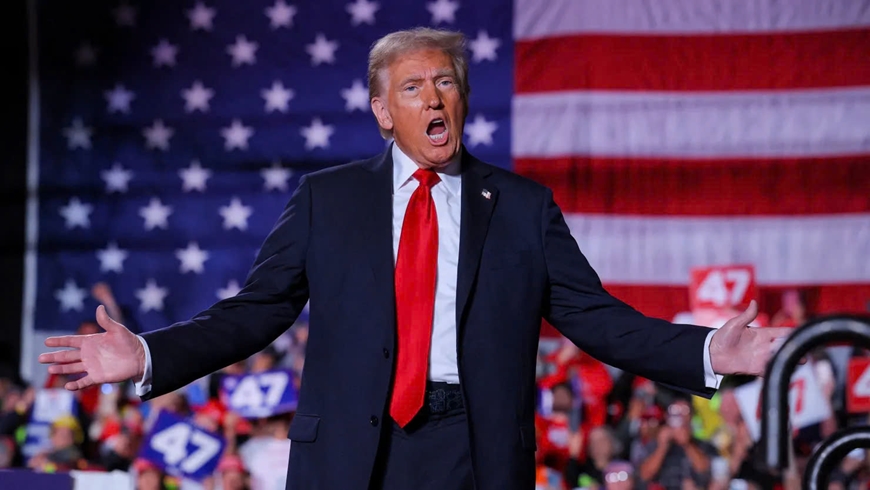
Political strategists noted that such fractures typically remain off-air, managed through private coordination calls and briefing packets distributed ahead of major interview days. But several officials familiar with Sunday’s preparations said those mechanisms have grown increasingly strained. One described the communications environment as “a revolving door of last-minute pivots,” influenced by late-night statements from Mr. Trump, social media posts that alter talking points midstream, and internal disputes over how aggressively to defend him.
The consequences of that volatility became clear when economic policy questions appeared. On the matter of inflation and the administration’s economic strategy, one Republican surrogate emphasized stabilization and recovery, while another blamed ongoing “systemic mismanagement,” and a third avoided the topic entirely. Hosts took note, with one anchor remarking on-air that the party’s explanations seemed “unusually inconsistent even for a fast-moving news cycle.”
Behind the scenes, producers from several networks said GOP guests expressed frustration during commercial breaks, some acknowledging they were unsure which version of the talking points had been finalized before appearing live. One staffer described the atmosphere in the green room as “tense and uncertain,” with whispered exchanges about avoiding missteps that could draw criticism from party leadership or from Mr. Trump himself.
Democrats quickly seized on the moment, calling the fractured appearances evidence of internal instability. But Republican strategists interviewed later in the day said the deeper issue was less about ideology and more about control of the narrative. “There is no central command anymore,” one veteran operative said. “There are factions. And every faction believes it speaks for the movement.”
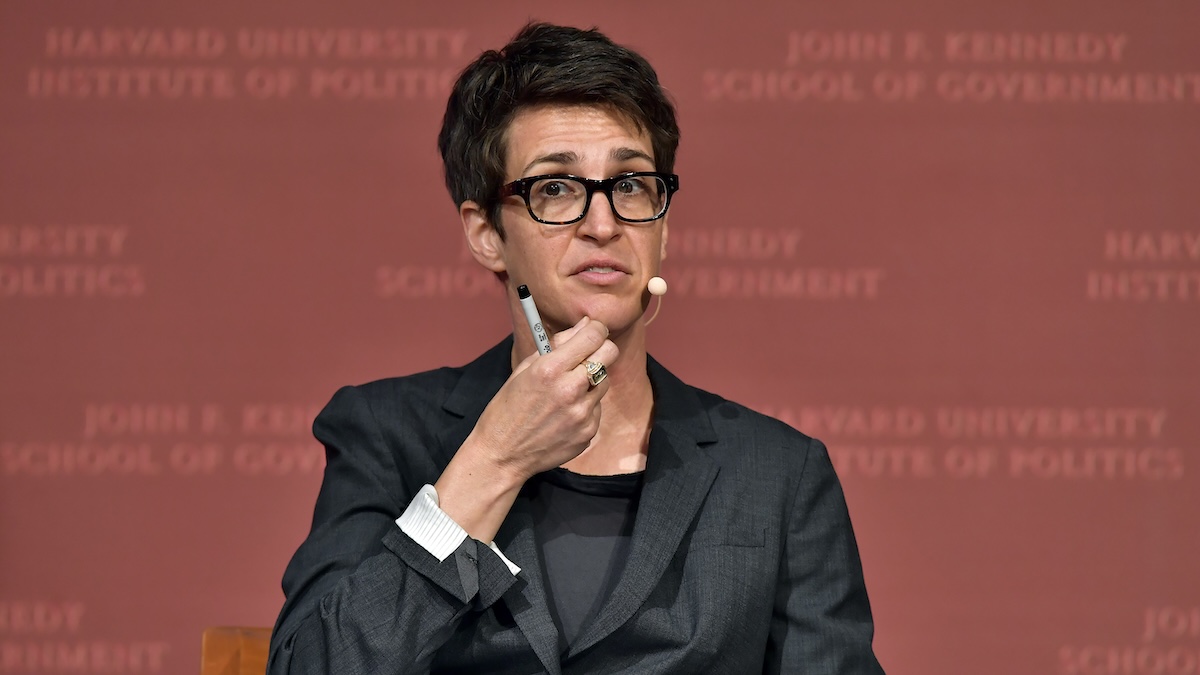
The broader political implications remain unclear, but communications experts warn that prolonged inconsistency can erode public trust, especially when policy questions grow increasingly complex. “When messages diverge this sharply, voters begin to doubt whether leaders understand their own platform,” said a professor of political communication at the University of Pennsylvania. “It suggests inward pressure that is spilling into public view.”
By late afternoon, party officials circulated internal guidance urging surrogates to “streamline and reinforce core themes,” though several insiders questioned whether such directives could regain traction. With Mr. Trump’s public statements continuing to shape — and sometimes override — official messaging, operatives say the unpredictability is likely to persist.
The day ended with a growing sense of unease inside Republican circles. While some dismissed the moment as a temporary stumble typical of a heated political year, others viewed it as a sign of a deeper structural challenge: a party attempting to navigate competing centers of authority, each pulling the message in a different direction.
Whether the GOP can regain control of its communication strategy may determine not only how it handles the coming months, but how it presents itself to voters in a political landscape increasingly defined by fragmentation and rapid reaction. For now, the question echoing through Washington is one rarely asked so openly: Can the party still speak with a single voice — and if not, who speaks for it?