Canada and the United States Diverge as Trade Tensions Reshape North America
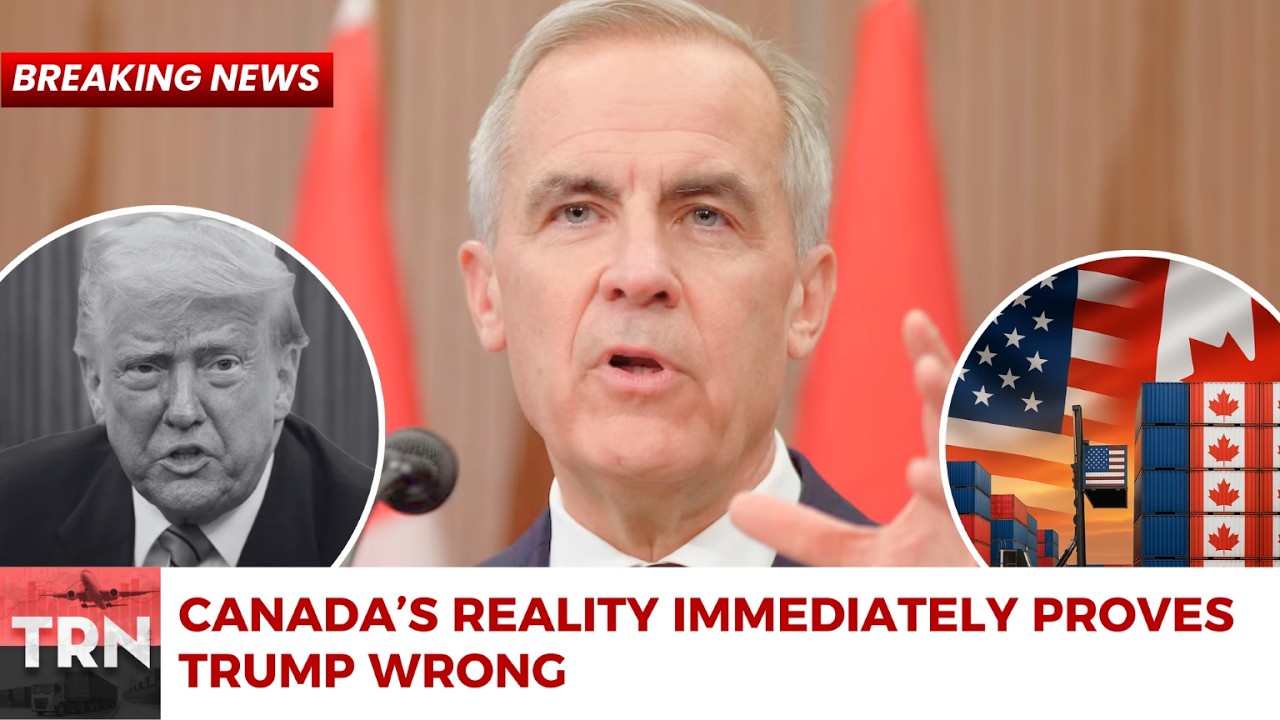
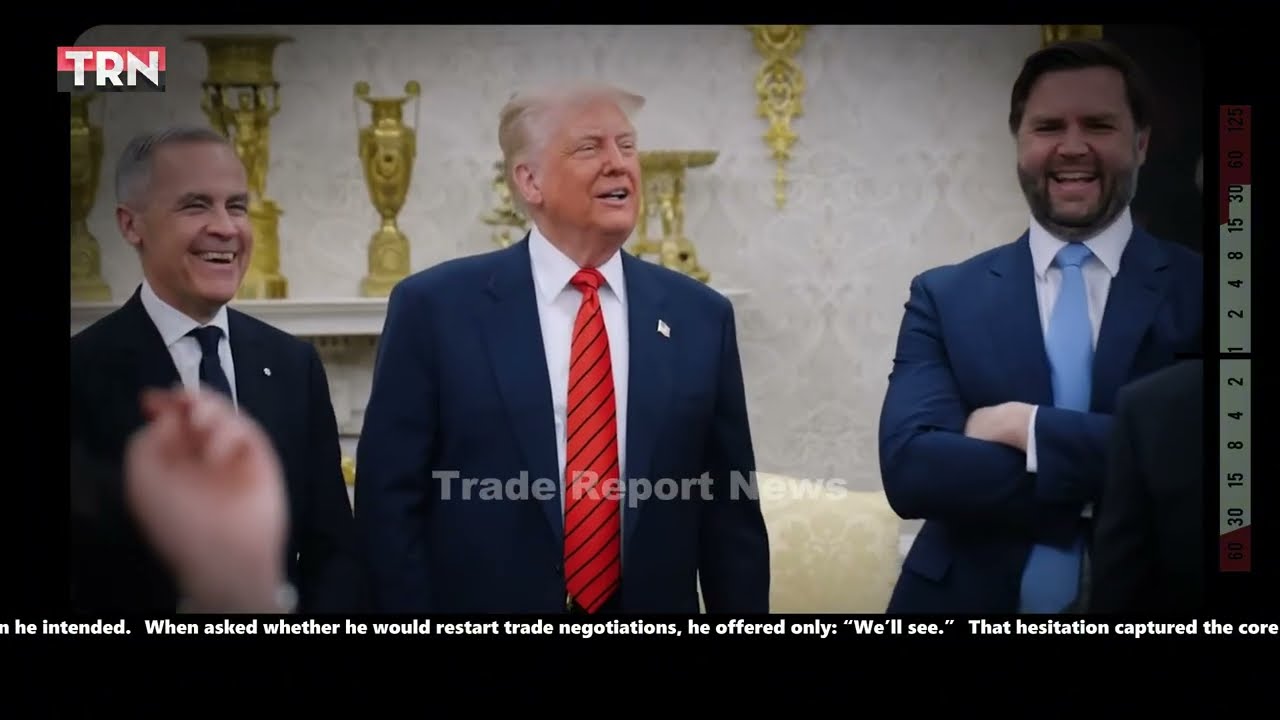
WASHINGTON — A brief remark by former President Donald J. Trump at the Kennedy Center this month has reignited debate over the shifting balance of economic strategy in North America. Asked whether he would resume trade negotiations with Canada, Mr. Trump replied only, “We’ll see,” an ambiguity that underscored the growing divergence between Washington’s reactive posture and Ottawa’s long-term planning.
The exchange arrived at a sensitive moment. The United States is navigating legal challenges over tariff authorities and facing discontent from corporations unsettled by abrupt policy shifts. Canada, by contrast, has spent the last several years pursuing an increasingly coordinated trade strategy across Asia and Europe, seeking to reduce dependence on the U.S. market and build a more diversified economic foundation.
Prime Minister Mark Carney has emphasized stability and predictability as core principles of Canada’s approach, positioning the country as a rules-based partner in a world where trade has become more political and volatile. That contrast, analysts say, has reshaped investor perceptions across the continent.
While Mr. Trump characterized Canadian manufacturing as duplicative—“They make a lot of things we don’t need because we make them also,” he said—the deeper reality is more complicated. American industries remain closely intertwined with Canadian supply chains. U.S. refineries rely heavily on Canadian heavy crude, which provides a structural input that cannot easily be substituted. The aerospace and auto sectors depend on Canadian aluminum, critical minerals and components for electric vehicle production.
These ties have not insulated the relationship from strain. During Mr. Trump’s previous term, tariff disputes tested decades of cooperation, prompting Canada to seek alternative markets. That diversification shift has accelerated under Mr. Carney, whose government has pursued new economic partnerships with the European Union, South Korea and ASEAN members while expanding resource and technology cooperation with Japan.
Canada’s focus on long-range planning stands in contrast to Washington’s more improvisational posture. Where U.S. trade policy has often pivoted in response to domestic political pressures, Canada has articulated goals such as doubling non-U.S. exports over the next decade and strengthening the domestic clean-energy supply chain. This strategic clarity has helped attract foreign investment in battery manufacturing, clean energy and critical minerals processing.
A similar divergence is emerging in defense cooperation. Ottawa is reviewing future fighter jet options, drawing public discussion about whether U.S. equipment remains the most suitable choice for Canada’s geography and mission requirements. Defense analysts have pointed to range, endurance and Arctic capability as key considerations for Canada’s long-term security planning. While the United States remains Canada’s closest ally, the review reflects a broader debate about sovereignty and industrial autonomy within the defense sector.
These shifts come as U.S. alliances across Asia face their own pressures. Trade negotiations with Japan and South Korea have encountered delays, and both governments have expressed concern about linking market access to large-scale investment pledges in the United States. Some analysts describe a growing “trust deficit” among long-standing allies who fear policy whiplash from Washington.
Canada is navigating a similar challenge. Tariffs on Canadian goods and energy have strained relations, even as both sides continue to engage in talks. Ottawa’s strategy, however, increasingly emphasizes building economic resilience rather than relying on tariff relief from the United States.

This recalibration reflects a larger global trend. The rules-based trade order that defined the late 20th century has fragmented under geopolitical pressures, technological rivalry and energy transition. At recent international forums, Mr. Carney has argued that nostalgia for the old system is inadequate, urging middle powers to adapt by forming flexible partnerships and investing in domestic capacity.
In this emerging landscape, Canada is seeking to position itself as a stable, predictable partner with a clean-energy advantage. The country’s plan to significantly expand LNG exports, accelerate nuclear development and increase critical mineral production has drawn interest from Asian and European investors looking for dependable supply chains outside China.
The United States, facing its own industrial-policy ambitions, risks pushing allies toward alternative markets if its demands are perceived as coercive. Analysts warn that repeated tariff threats, investment ultimatums and unpredictable enforcement actions could weaken Washington’s credibility and encourage diversification away from the U.S. economy.
The future of North American trade hinges on whether the United States chooses to re-engage through stable rules and long-term cooperation. For now, Canada is preparing for a world in which it must chart its own course. As one Canadian official put it recently, “We are not waiting for clarity from Washington. We are building our own.”