What began as a routine delay at a border inspection point escalated within hours into one of the most unexpected trade disruptions in years. Canada’s abrupt decision to reject multiple shipments of U.S. beef this week sent ripples through agricultural markets, ignited political tensions in Washington, and raised fresh questions about the long-term stability of North American food supply chains.
Officials in Ottawa described the move as a “standards-based action,” but its timing — arriving amid unresolved tariff disputes and heightened pressure on cross-border agricultural trade — has accelerated speculation that the rejection signals a deeper strategic shift. Video clips of Canadian border officials turning away U.S. trucks circulated widely across social platforms, drawing millions of views and immediate reactions from ranchers, trade analysts, and policymakers.
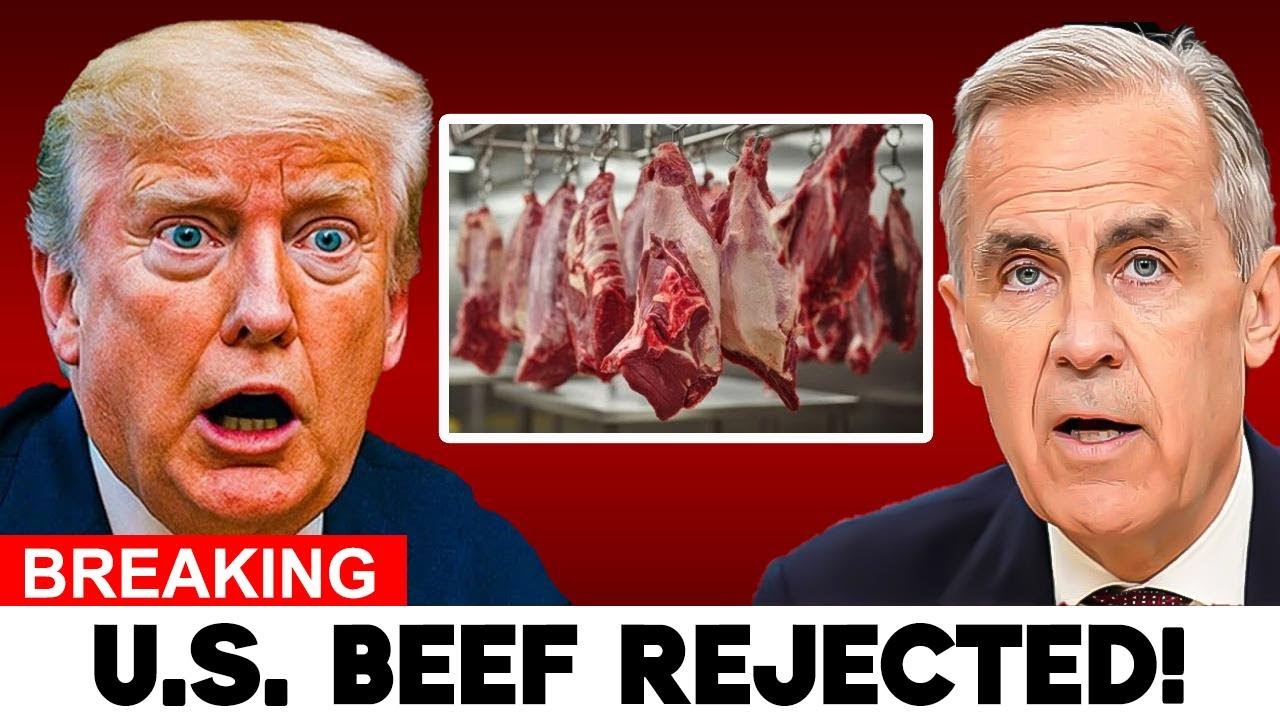
The reaction inside the U.S. government was swift and unsettled. According to several individuals familiar with internal discussions, senior officials were “caught off guard” and initially believed the rejections were temporary, possibly tied to documentation errors or routine inspections. But within hours, it became clear that the decision was not limited to a single shipment, nor was it a bureaucratic mishap. Canada had paused acceptance of several categories of U.S. beef that form the backbone of export flows into its domestic market.
The impact was immediate. Processing plants in the Midwest received urgent calls from distributors seeking clarity; ranchers reported halted orders; and global buyers — including firms in South Korea, Japan, and the United Arab Emirates — began inquiring whether U.S. supply could be guaranteed in the coming weeks. Several international importers reportedly shifted portions of their orders to Canadian suppliers, citing concerns about “policy volatility” in the United States.
For the American beef industry, which relies heavily on predictable export relationships, even brief interruptions carry significant consequences. The U.S. exports billions of dollars in beef annually, and Canada is both a competitor and a key partner. The two countries operate within one of the most integrated agricultural markets in the world, sharing processing facilities, transportation networks, and regulatory frameworks honed over decades of cooperation.
That interdependence is precisely why this disruption has rattled analysts. If Canada’s rejection becomes a longer-term policy shift — whether driven by health standards, trade posture, or geopolitical strategy — the result could reshape an industry that depends as much on stability as it does on production.
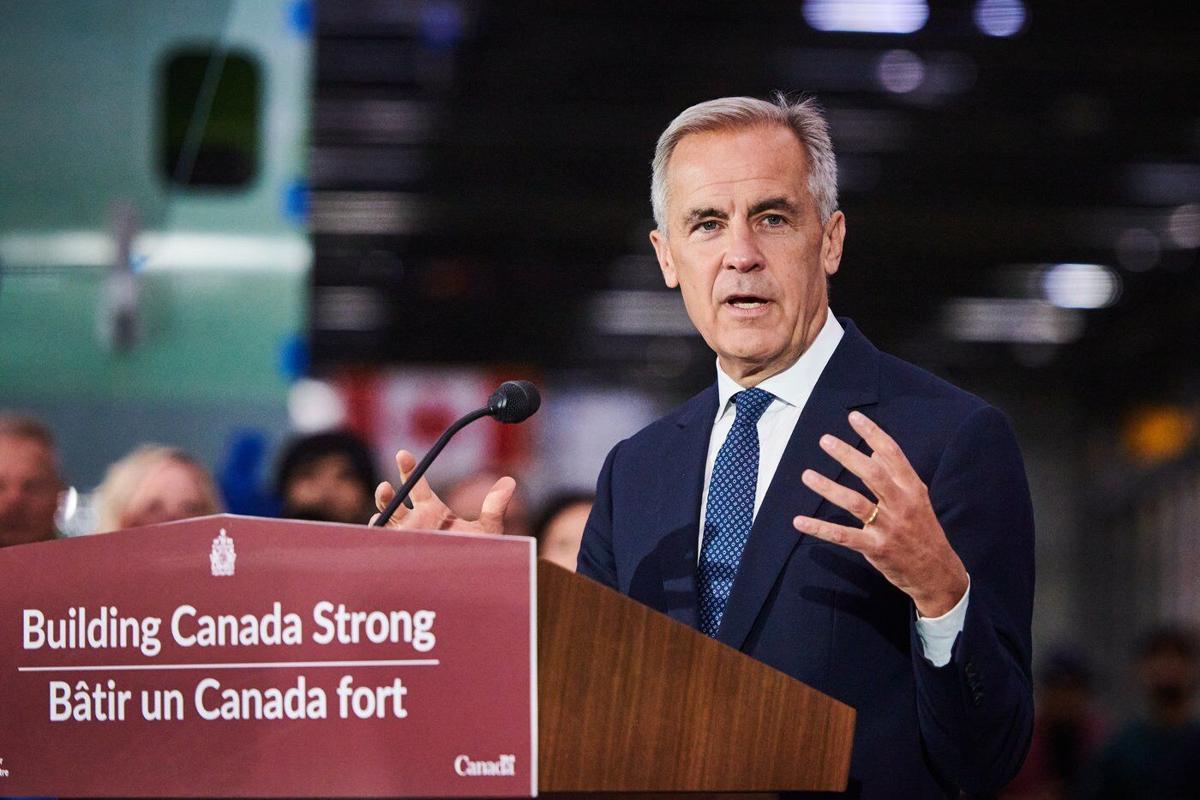
In Ottawa, officials have given no indication that the decision will be reversed quickly. While the public explanation cites safety review protocols, people familiar with the matter say the move comes amid internal debates over how Canada should respond to ongoing U.S. tariff pressures. Under Prime Minister Mark Carney, Canada has sought to position itself as a “predictable and rules-driven” agricultural partner at a time when many global buyers express concerns about sudden policy swings in Washington. The rejection of U.S. beef, several analysts say, may be part of a broader effort to differentiate Canada in global markets.
That effort appears to be working — at least in the short term. Canadian exporters have already secured new beef supply agreements with buyers in Asia and the Middle East, taking advantage of uncertainty surrounding U.S. shipments. One international distributor described the situation bluntly: “Markets hate unpredictability. If Canada offers stability, buyers will move.”
The political ramifications in Washington are also growing. Lawmakers from agricultural states demanded emergency briefings, with several senators calling the situation “a preventable crisis.” They argue that the rejection illustrates a troubling fragility in U.S. trade leadership, raising concerns that other commodities could face similar disruptions if tensions escalate.
Economists warn that even temporary shifts in export patterns can have lasting effects. Once global buyers rework supply chains, they rarely revert quickly. If Canada strengthens its foothold in key markets, the U.S. may find itself facing weakened leverage in future trade negotiations — particularly on food products where reputation and consistency carry substantial weight.
For ranchers and processors, the uncertainty is already translating into financial strain. Prices in certain commodity exchanges dipped sharply as traders reacted to the news, and industry groups warned of potential downstream consequences, from inventory bottlenecks to reduced processing hours.

Still, analysts emphasize that the path forward remains unclear. If Ottawa’s rejection is tied strictly to regulatory concerns, the issue may resolve relatively quickly. If it is part of a longer-term strategic posture, the consequences could reshape the competitive landscape of global beef exports.
For now, the episode serves as a stark reminder of the fragility beneath the surface of North America’s integrated food economy. A single policy decision — one border crossing, one delayed shipment — can send markets scrambling, governments reacting, and entire industries reassessing assumptions that once seemed immovable.
What began as a quiet inspection delay now stands as a test of political coordination, market resilience, and the broader question confronting the continent’s agricultural future: Can stability still be taken for granted?