U.S. Strategy Paper Sparks Anxiety in Ottawa as Canada Reassesses Its Economic Sovereignty
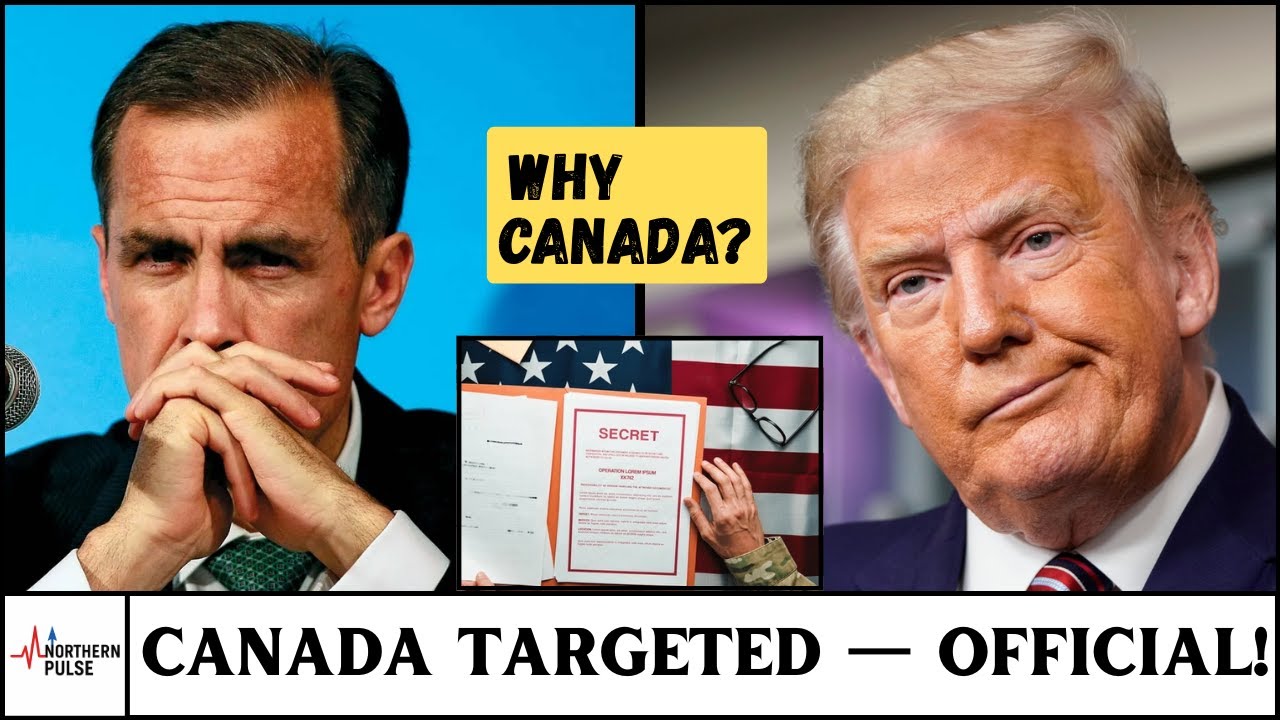
When Washington quietly releases a national security strategy, the world usually reads it for clues about military posture, emerging threats, or shifts in diplomatic priorities. But the latest U.S. strategy document has triggered a different kind of reaction in Ottawa—one rooted not in troop movements or alliances, but in the subtler, more consequential realm of economic sovereignty.
Canada appears only once in the lengthy paper, but the context of that single mention has set off an unusually intense debate inside policy circles. In a section urging allied economies to adopt trade policies that support a rebalancing of China’s growth model, Canada is listed among the nations the United States hopes will “encourage” structural adjustments. The phrasing is diplomatic, but analysts note that the word choice leaves little doubt about the hierarchy implied. Cooperation is expected, alignment is assumed, and divergence—however legitimate—may increasingly be framed as a strategic risk.
For Canada, which has long relied on the United States as both its primary export market and its closest political partner, the message lands at a time of significant transition. Ottawa has spent the past several years broadening its economic relationships across the Indo-Pacific, negotiating critical mineral agreements with Japan and Korea, and exploring new supply-chain routes that bypass traditional North American chokepoints. These moves, widely seen as prudent hedges, now look like urgent preparations.
The most sensitive section of the U.S. strategy addresses the security of critical resources, including the minerals required for batteries, clean energy technologies, and advanced electronics. The United States describes access to these materials as a “national security vulnerability,” echoing concerns voiced by multiple administrations. But in Canada—home to some of the world’s largest untapped reserves of lithium, nickel, and rare earths—the language is being read more carefully.
Several industry leaders and former officials note that when major powers define resource access as a security issue, economic competition can quickly become political pressure. Ottawa’s recent efforts to attract Asian buyers, diversify processing capacity, and build partnerships beyond the North American market could increasingly be viewed in Washington through a geopolitical lens rather than a commercial one.
That tension is not hypothetical. Canada is eager to move up the value chain, not merely exporting raw materials but processing and manufacturing them into components for batteries and other technologies. This ambition aligns well with European and Asian priorities, but not always with U.S. industrial policy, which aims to consolidate supply chains within its borders. As a result, the same Canadian mining project could be praised as a contribution to allied resilience—or criticized as a missed opportunity—depending on its buyers.
The Ottawa debate intensified further as analysts highlighted another section of the U.S. strategy focused on information influence and cultural narratives. Though the document does not name Canada or any close allies in this context, its broad definition of “foreign influence operations” has raised questions about whether legitimate public communications—tourism campaigns, economic messaging, or policy critiques—could be interpreted more narrowly in periods of tension. Most experts emphasize that such outcomes are unlikely, but the concern reflects a deeper anxiety: the sense that traditional assumptions about Canada’s insulation from U.S. pressure are eroding.
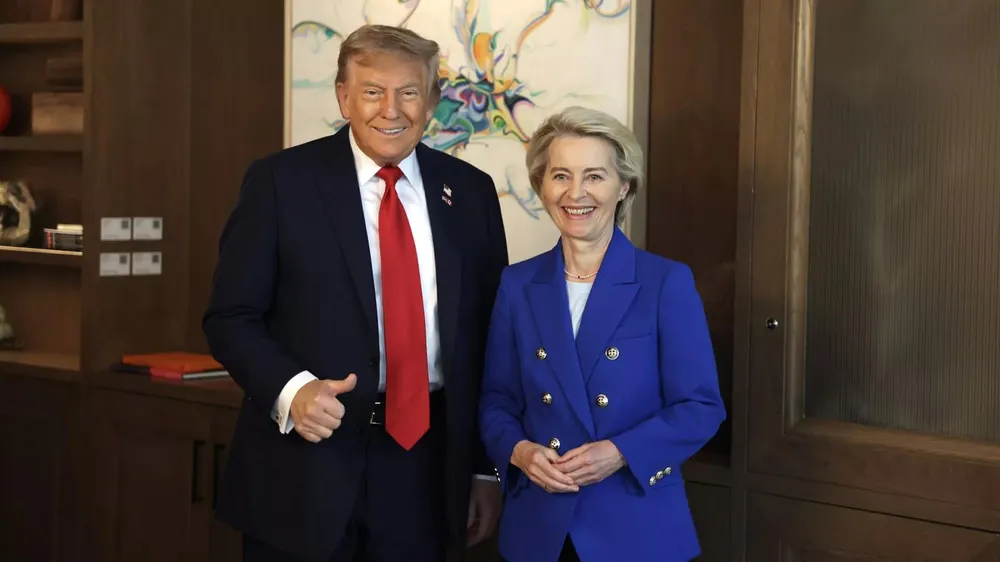
Behind the legal language lies a political reality. The United States is navigating economic competition with China, industrial rivalry with Europe, and domestic pressures to protect American jobs. Ottawa is navigating its own pressures—rising demand for minerals, the need for new markets, and a shift toward a multipolar trade landscape. In this environment, even long-standing allies can find their interests temporarily at odds.
Prime Minister Mark Carney has framed diversification as essential to national resilience, arguing that middle-power countries must ensure “options beyond a single market.” His government’s acceleration of Indo-Pacific engagement, port expansions, and resource strategy suggests a long-term pivot toward broader economic autonomy. The U.S. strategy document does not directly challenge this path, but it has sharpened the question at the center of Canada’s economic future: How much independence is feasible within a relationship defined by both interdependence and asymmetry?
As policymakers sift through the implications, the debate is no longer about a single sentence in a single document. It is about the shape of Canada’s next decade—whether its economic destiny is defined primarily through cross-border integration or through a wider constellation of partnerships. And it is a reminder that in an era of shifting power, even quiet lines in official papers can send loud signals across borders.