Canada, Spain and the Quiet Realignment Reshaping Western Power
In geopolitics, turning points rarely announce themselves. They do not arrive with dramatic speeches or historic treaties. More often, they emerge from small gestures—a brief comment, a hesitant answer, or a diplomatic visit that seems routine until its implications begin to ripple outward.
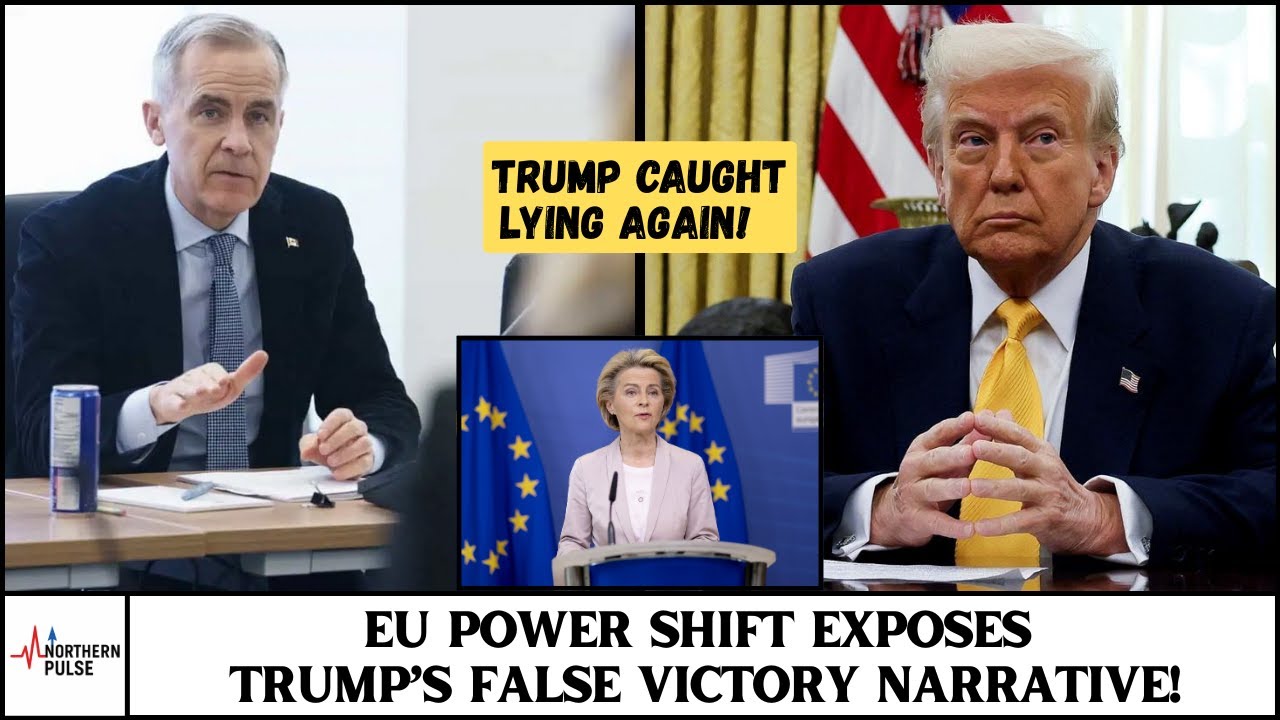
Over the past year, a subtle but consequential shift has been unfolding between Canada, Spain, and the broader European Union. The change has not dominated front pages in Washington, nor has it been framed as a strategic rupture. But across Europe and parts of Asia, diplomats and analysts have begun to chart a pattern: a growing willingness among U.S. allies to build parallel channels of cooperation that do not depend on American leadership or attention.
The trend itself is not new. For more than a decade, U.S. allies have been quietly diversifying their economic and political relationships, driven by uncertainty in Washington’s foreign-policy posture. What is new is the pace. And in several recent exchanges—some public, others buried in diplomatic readouts—the shift has become more visible.
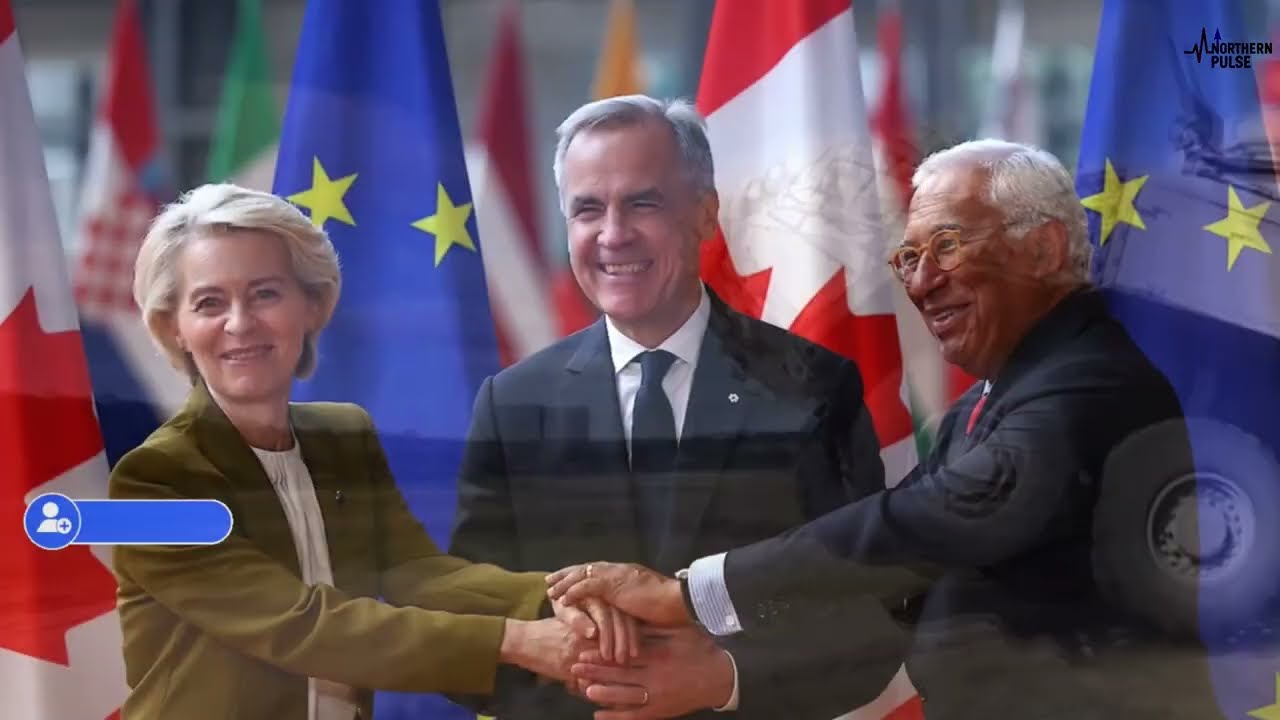
In Canada, this moment coincided with a series of high-level visits from European officials, none more notable than Spain’s Minister of Economy, Trade and Business. Madrid has been positioning itself as one of Europe’s most forward-looking economies, combining growth with a push for strategic autonomy. For Spain, Canada represents something increasingly valuable: a stable, resource-rich democracy that can anchor deeper European engagement beyond the traditional transatlantic framework.
During recent meetings in Ottawa and Toronto, Spanish officials emphasized the need for broader partnerships in energy, green technology, and resilient supply chains—areas where Canada has long sought recognition on the global stage. European leaders, especially in Madrid and Brussels, now openly argue that diversification is no longer optional. It is a structural necessity shaped by war, economic volatility, and a world in which alliances must be both flexible and dependable.
Canada, for its part, has embraced this shift cautiously but confidently. Its longstanding trade agreement with the European Union has offered a foundation for collaboration, but until recently the political momentum behind it was tepid. That has begun to change. Canadian and European officials have explored new avenues in critical minerals, hydrogen development, and clean-energy infrastructure—sectors that carry both economic and geopolitical significance as countries race to secure supply chains independent of authoritarian states.

Defense cooperation, once considered peripheral between Canada and the EU, has also taken on new weight. While Canada remains firmly embedded in NATO, European policymakers have been expanding their defense-industrial coordination, inviting close allies to participate where interests align. These conversations reflect a broader reality: Europe is preparing for a future that requires more strategic independence, even as it continues to rely on the United States for core security guarantees.
None of this indicates a rupture with Washington. Canadian officials have repeatedly emphasized the centrality of their U.S. partnership, particularly in defense and continental security. Yet the diplomatic choreography reveals an undercurrent increasingly common among American allies: a desire for options, not alternatives.
That desire has been sharpened by the unpredictable nature of U.S. domestic politics. Changes in administrations have brought abrupt reversals in trade policy, climate commitments, and global engagement. Allies have watched these swings with growing concern, prompting them to hedge—quietly, pragmatically, and without the public language of distancing.
Spain’s outreach to Canada therefore reflects more than bilateral enthusiasm. It mirrors a broader European strategy to build resilient external ties, reduce dependence on singular powers, and better position the continent for a world defined by multipolar competition.

For Canada, the shift offers an opportunity to define a clearer global role at a moment when middle powers are increasingly influential. But it also presents a challenge: navigating new partnerships without undermining the stability of existing ones. The country’s geographical, economic, and political ties to the United States remain deep, and Ottawa is unlikely to pursue any path that jeopardizes that relationship. Yet the contours of Canadian diplomacy suggest a willingness to engage more assertively with partners who see value in long-term strategic collaboration.
History rarely hinges on a single comment or a single meeting. But it is shaped by accumulations—of doubt, of ambition, of shifting incentives. The evolving cooperation between Canada, Spain, and the European Union is part of that accumulation, a quiet recalibration rather than an open declaration.
Whether Washington fully notices is another question. What is clear, however, is that U.S. allies are preparing for a world where flexibility matters as much as loyalty, and where silence or hesitation from the center can create spaces others are increasingly ready to fill.